Caleb Turner

Regularly apply a high-quality, penetrating oil specifically formulated for dense timber to enhance the longevity and appearance of your patio ensemble. This treatment not only nourishes the surface but also helps retain its rich hue, protecting it from the elements.
Incorporate gentle cleaning methods using a soft brush and a mixture of mild soap and warm water. By rinsing thoroughly and allowing it to dry naturally, I ensure that no residues or harsh chemicals remain on the surface, preventing potential damage.
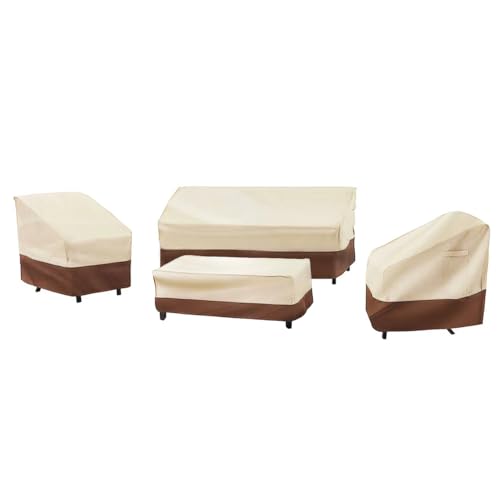
Consider utilizing protective covers during extreme weather conditions or prolonged periods of non-use. These covers significantly reduce the risk of fading and moisture accumulation, thereby preserving the integrity of your investment.
Lastly, schedule an annual inspection for any signs of wear, such as splintering or significant discoloration. Early detection and timely maintenance ensure that your outdoor seating remains inviting and functional for years to come.
Understanding the Natural Properties of Teak Wood
One of the standout qualities is its high oil content, which provides exceptional resistance to moisture and decay. This trait not only prolongs its lifespan but also minimizes the need for protective coatings.


The natural properties allow the surface to age gracefully, developing a characteristic silver-gray patina over time without compromising structural integrity. Regularly applying a suitable oil can help maintain its warm hue if desired.
Another benefit includes its strength-to-weight ratio. Despite being relatively lightweight, the material is remarkably sturdy, making it ideal for various outdoor applications.
Understand that this material is less prone to warping and cracking compared to others. Its density contributes to stability, ensuring that pieces retain their form even under changing climatic conditions.
Lastly, the inherent resistance to pests ensures longevity, minimizing the need for chemical treatments that could harm the environment.
Cleaning Outdoor Seating: Step-by-Step Guide
Begin with removing loose dirt and debris using a soft-bristle brush or broom. This prevents scratches when cleaning.
Materials Needed
- Soft-bristle brush or broom
- Bucket
- Garden hose or pressure washer (on low setting)
- Teak cleaner or mild soap
- Clean, soft cloths or sponges
- Sandpaper (optional for rough spots)
Cleaning Process
- Mix a small amount of teak cleaner or mild soap with warm water in a bucket.
- Dip a soft cloth or sponge into the solution and gently scrub the surfaces, following the grain.
- Use the brush for crevices or intricate details to ensure all dirt is removed.
- Rinse thoroughly with a hose or pressure washer, ensuring no soap residue remains.
- If there are rough spots, lightly sand the area with fine-grit sandpaper, always following the grain.
- Dry the surfaces with clean cloths to prevent water spots.
Repeat this process as needed, typically every few months, to maintain the appearance and longevity of your seating. Regular cleaning will help keep it looking pristine and extend its life.
Choosing the Right Cleaning Products for Teak
I recommend using pH-neutral soaps specifically formulated for natural surfaces. These cleaners effectively remove dirt without stripping the membrane or altering the appearance of mahogany.
Avoid bleach and ammonia-based solutions as they can cause discoloration. Instead, opt for natural oils or teak-specific conditioners that nourish the grain while preserving the rich hue.
For stubborn stains, a mixture of warm water and mild detergent works well. An application with a soft-bristle brush can enhance the cleaning process without causing damage.
After cleaning, I suggest applying a protective finish designed for porous materials, which helps maintain the surface integrity and resist moisture. A non-toxic, breathable oil will help retain its natural beauty.
Preventing Fading: Best Practices for Sun Protection
To mitigate color loss from sun exposure, I recommend using UV-resistant outdoor covers. These should be made from breathable materials to prevent moisture accumulation while protecting against harmful rays.
Additionally, placing your items in shaded areas during peak sunlight hours significantly reduces fading. Utilizing patio umbrellas or trees as natural shields can extend the life of your pieces’ color.
Applying a high-quality protectant specifically designed for outdoor surfaces provides an additional layer of defense against ultraviolet damage. It’s essential to choose a product that is clear and non-yellowing to maintain your items’ original appearance.
Regularly rearranging your setup ensures even exposure to sunlight across all pieces, preventing one area from becoming overly faded. This simple method keeps your collection looking uniform.
When feasible, store your items indoors during harsh weather or prolonged periods of intense sun. This not only protects them from UV rays but also helps from moisture-related issues in case of unexpected rain or snow.
| Tip | Description |
|---|---|
| Use UV-resistant covers | Breathe-able materials help prevent moisture while blocking UV rays. |
| Provide shade | Use umbrellas, or position under trees during peak sun hours. |
| Apply protectant | Choose a clear, non-yellowing protectant for added UV defense. |
| Rotate placement | Move items around to ensure uniform sun exposure over time. |
| Indoor storage | Store items out of direct sunlight during extreme weather conditions. |
Maintaining Natural Oils: When and How
I recommend applying a specialized oil every 6-12 months to preserve the natural oils within your furnishings made from this robust species. This helps maintain moisture and prevents drying out.
Choosing the Right Time
Early spring or early fall are ideal for application, as temperatures are moderate, allowing the oil to absorb effectively without the risk of excessive heat or moisture impacting its performance.
Application Process
Begin by ensuring the surface is clean and dry. Using a soft cloth, I gently apply the oil in the direction of the grain, allowing it to soak in for about 15-30 minutes. Afterward, I wipe off any excess with a clean cloth to prevent a sticky residue.
Regularly reapplying the oil will help maintain its rich color and natural beauty, ensuring that the surfaces remain resistant to water and other elements.
Restoring Weathered Teak Furniture: Techniques to Use
To restore neglected teak items, I begin with a thorough cleaning. I use a soft-bristle brush and a mild soap solution to scrub away dirt and accumulated grime. Rinsing with clean water ensures that no soap residue remains.
If the surface appears gray or weathered, sanding is my next step. Using fine-grit sandpaper, I gently buff the surface in the direction of the grain. This helps to remove the gray layer and reveal the natural beauty underneath.
After sanding, I apply a dedicated teak oil. I pour a moderate amount onto a clean cloth and wipe it evenly across the surface. This step replenishes lost oils and enhances its rich color. I make sure to let it absorb for the recommended time before wiping off any excess.
To tackle deeper blemishes, I mix a paste of baking soda and water. I apply it to the stained areas and let it sit for a few minutes before scrubbing gently. This can help lift discoloration without damaging the surface.
As a protective measure, I frequently inspect the furniture for signs of wear. Regularly applying a protective sealant will prolong its lifespan and maintain its appearance. I opt for products specifically designed for hardwoods to ensure compatibility.
Finally, placing items in shaded areas during sunny days minimizes additional exposure to UV rays, thereby preserving the finish and natural hues. Routine maintenance is essential in prolonging the aesthetics and integrity of my beloved pieces.
Protecting Teak from Moisture and Mold Issues
Apply a high-quality sealant specifically designed for hardwoods. This will create a protective barrier against moisture and help prevent mold growth. Select a product that allows the natural oils of the timber to breathe while providing adequate waterproofing.
Ensure that surfaces are clean and dry before sealing. Any trapped moisture can promote mold formation beneath the sealant. Regularly inspect for signs of mildew and clean promptly with a mixture of mild soap and water, followed by thorough rinsing.
Position your pieces in well-ventilated areas, avoiding spots that collect standing water. Elevate the items slightly off the ground using risers or coasters to improve airflow and reduce moisture retention.
Consider using a dehumidifier in enclosed or shaded spaces where humidity levels are high. This helps maintain an optimal moisture level, deterring mold spores from settling.
Choose breathable coverings for protection against rain and dew; avoid plastic tarps, as these trap moisture. Allow the furniture to dry completely before applying any covers. Regularly remove covers to let air circulate and check for mold presence.
Storing Teak Furniture During Off-Season: Tips and Tricks
Prepare your pieces for storage by cleaning them thoroughly. Use a soft brush or cloth to remove dust and debris, then wash with a mild soap solution. Ensure they are completely dry before packing away to prevent mold and mildew.
Optimal Storage Environment
- Choose a dry, cool location, free from direct sunlight and humidity.
- Avoid damp basements or attics, which can introduce moisture.
- Consider using a climate-controlled space if possible for added protection.
Covering and Protecting
- Use breathable covers designed for outdoor pieces to shield from dust and pests.
- Avoid plastic tarps as they can trap moisture and lead to deterioration.
- If storing individually, stack items flat to minimize pressure and damage.
Inspect periodically during the off-season. Check for any signs of wear or moisture build-up, and address issues immediately. A little attention can extend the life of your cherished pieces significantly.
FAQ:
What is the best way to clean teak wood outdoor furniture?
The best way to clean teak wood outdoor furniture is by using a mild soap solution and warm water. Mix a few drops of dish soap into a bucket of water and use a soft cloth or sponge to gently scrub the surface. For tougher stains or dirt buildup, you can use a soft-bristled brush to reach crevices. After cleaning, rinse the furniture well with clean water and let it air dry. Avoid using harsh chemicals or pressure washers, as they can damage the wood.
How often should I oil my teak wood outdoor furniture?
Oiling your teak wood outdoor furniture is typically recommended every 6 to 12 months, depending on the climate and wear of the piece. If your furniture is exposed to intense sunlight or rain, more frequent oiling may be necessary. Look for signs of fading or dryness on the wood surface; if you notice these, it’s time to apply a coat of teak oil. The oil helps maintain the wood’s rich color and protects it from moisture, enhancing its longevity.
Is it necessary to cover teak outdoor furniture during winter?
While teak wood is naturally resistant to weather elements, covering it during winter is a good practice. This helps protect the furniture from snow, ice, and heavy rain which can lead to prolonged moisture exposure. If possible, store the furniture indoors or in a sheltered area during extreme weather. If covering is not an option, consider using a breathable outdoor furniture cover to reduce the risk of mold and mildew buildup.
What types of finishes are safe for teak wood outdoor furniture?
For teak wood outdoor furniture, it is advisable to use oils specifically designed for teak, such as teak oil or a penetrating wood finish. These products are formulated to enhance and protect the wood without creating a heavy surface layer. Avoid using varnishes or polyurethane finishes, as they can trap moisture and lead to damage. If you want a more natural look, leaving the wood untreated is also an option, allowing it to develop a silver-gray patina over time.
How can I repair scratches on teak wood outdoor furniture?
To repair scratches on teak wood outdoor furniture, start by cleaning the scratched area with a mild soap solution to remove any dirt. Once clean, use fine-grit sandpaper to gently sand the scratched spot, following the grain of the wood. After sanding, apply a teak oil to the area to help restore its color. In deeper scratches, you may need to fill the scratch with a wood filler specifically made for teak before sanding and oiling. Always test any method in an inconspicuous area first to ensure it does not affect the overall finish.
What is the best way to clean teak wood outdoor furniture?
To clean teak wood outdoor furniture, start by using a soft brush or cloth to remove any dirt and debris. For deeper cleaning, mix mild soap with warm water and apply it using a sponge or cloth. Avoid harsh chemicals as they can damage the wood. Rinse the furniture with clean water and allow it to dry completely. Regular cleaning every few months will help maintain its appearance and prolong its life.
How can I protect my teak outdoor furniture from weather damage?
To protect your teak outdoor furniture from the elements, consider applying a teak sealer designed for outdoor use. It helps create a protective barrier against moisture and UV rays. Additionally, during extreme weather, it’s advisable to cover the furniture with a breathable furniture cover or store it indoors. Regularly check for any signs of wear and tear, and reapply the sealer as needed to ensure long-lasting protection.