Caleb Turner

Utilize contrasting colors to create visual interest. Pairing dark elements with lighter tones, such as whites or soft pastels, instantly brightens a space and highlights the elegance of the darker shades.
Incorporate textures. Combining smooth surfaces with textiles like plush throws or woven cushions introduces warmth and sophistication, creating a cozy atmosphere that balances the boldness of deep hues.
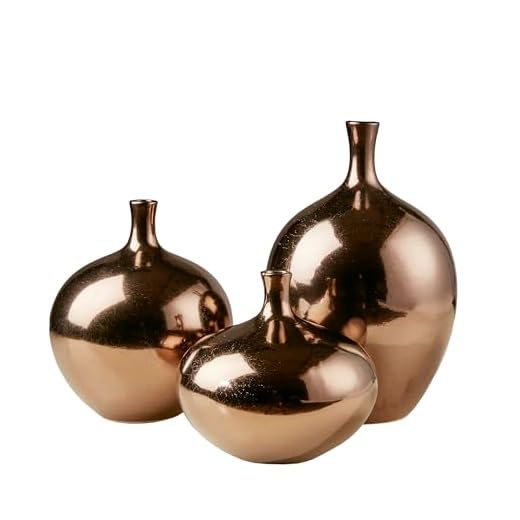
Add metallic accents. Elements in gold or silver not only draw the eye but also elevate the overall aesthetic, providing a luxurious touch that complements darker shades beautifully.


Grounding with natural materials can also make a significant impact. Using wooden elements or stone can soften the room while still allowing the darker pieces to stand out, blending rustic charm with modern design.
Consider lighting carefully. Adjustable lighting fixtures allow flexibility in highlighting these darker elements. Warm lighting can soften the starkness of darker pieces, creating an inviting and stylish environment.
Enhancing Dark Decor
Incorporate lighter textiles to create contrast. Use white, cream, or pastel shades in cushions, throws, or rugs. This juxtaposition draws attention and softens the overall appearance.
Add metallic accents for a touch of elegance. Gold, silver, or brass accessories can bring warmth and light to the darker pieces, making the space feel more sophisticated.
Utilize mirrors strategically. Reflective surfaces can enhance brightness and make a room appear more spacious. Position mirrors opposite windows to maximize natural light reflections.
Plant greenery for a fresh vibe. Incorporating indoor plants introduces color and life, providing a natural balance to the darker elements of the decor.
Experiment with wall art. Choose bright or colorful artwork to serve as a focal point. This not only draws the eye but also complements the deep tones of the main pieces in the room.
Consider layering textures. Mix materials such as wood, fabric, and metal to add depth. This variety keeps the eye engaged and prevents a flat visual experience.
Utilize soft lighting. Use warm, diffused lighting rather than harsh, direct sources. This creates a cozy ambiance that enhances the overall aesthetic without overshadowing the darker elements.
Incorporate patterned elements. Geometric designs or floral motifs can introduce visual interest and break any monotony created by darker hues.
Choosing the Right Color Palette for Black Furniture
For a striking contrast, consider pairing dark pieces with light tones. Shades of white, cream, and pastel hues create a sophisticated balance. Use these colors for walls, textiles, or accent decor to brighten the space.
For a more dramatic approach, deep jewel tones like emerald green, rich burgundy, or navy blue enhance the elegance of dark installations. These colors provide depth and richness, allowing the elements to complement each other seamlessly.
| Color Type | Recommendation |
|---|---|
| Light Tones | Shades of white, cream, or light gray |
| Pastels | Soft pink, baby blue, or mint green |
| Jewel Tones | Emerald, burgundy, or navy |
| Neutral Shades | Beige, tan, or taupe |
Using neutral shades adds warmth and approachability. Colors like beige or taupe create a cohesive and inviting atmosphere, allowing the darker pieces to stand out without overwhelming the senses.
Finally, don’t shy away from metallics. Silver, gold, or brass accents enhance the overall design. These reflective elements catch the light, adding interest and texture to the overall arrangement.
Incorporating Textures to Enhance Black Furniture
Adding textures can transform the appearance of darker pieces, creating depth and interest. Start with textiles that contrast in textures such as soft throws, woven cushions, or a shaggy rug. These elements bring warmth and tactile appeal to the scene.
Layering Materials
Combine different materials for a more dynamic arrangement. Consider the following:
- Natural fibers: Jute, linen, and cotton add an earthy touch.
- Metal accents: Incorporate brushed brass or shiny chrome for sleek visual contrast.
- Glass elements: Use clear or frosted glass to soften the look while maintaining elegance.
Contrasting Patterns
Utilizing patterned textiles can break up solid surfaces. Try mixing:
- Floral or geometric prints with neutral bedding or curtains.
- Striped cushions paired with solid upholstery for a playful touch.
- Engaging patterns in wall art to tie the whole look together.
Consider finishes as well; a matte finish on dark surfaces can make textured items pop, while gloss can bring attention to sleek elements. Smart applications of texture and pattern can craft an inviting and cohesive environment around darker designs.
Arranging Lighting to Highlight Dark Interiors
Utilizing layered lighting is key for enhancing the aesthetic appeal of darker elements in a space. I prefer a combination of ambient, task, and accent lighting to create a well-balanced atmosphere. Start with ambient lighting, such as ceiling fixtures or wall sconces, to set the overall tone without overwhelming the room.
Next, integrate task lighting like table lamps or adjustable floor lamps to provide focused illumination. This is particularly helpful in areas where activities take place, such as reading or working. Place these light sources strategically next to the darker pieces to create contrast, allowing them to stand out while maintaining a cozy vibe.
Incorporating Accent Lighting
Accent lighting can further enhance specific features, so I use spotlights or wall-mounted fixtures to draw attention to key elements. Adjustable downlights are particularly effective as they can be directed towards a chosen piece, creating a striking interplay between light and shadow. Dimmers are also beneficial, allowing for adjustable brightness based on the desired mood.
Choosing the Right Bulbs
The type of bulbs used matters significantly. I advocate for warm white bulbs (around 2700K to 3000K) to soften the boldness of the dark pieces. These bulbs help to create an inviting atmosphere while complementing the richness of the hues. For more dramatic effects, consider using colored or tinted bulbs sparingly to add an element of surprise without overwhelming the entire setup.
Accessorizing with Art and Decor Around Dark Furniture
Incorporate bold art pieces that create a striking visual impact against the darker tones. A large canvas with bright, abstract designs can ignite the space. Opt for colorful frames to enhance contrast and draw attention.
Utilizing Textiles
Layering textiles adds depth. Use vibrant throws and patterned cushions on chairs or sofas to introduce playful textures. Choose fabrics like velvet or cotton in rich hues that complement the overall aesthetic.
Incorporating Greenery
Introduce potted plants or hanging greenery to bring life into the setup. Choose planters with bright colors or unique designs to create a focal point. Succulents or tall potted plants work particularly well with darker tones, adding freshness and dimension.
Utilize decorative trays or stylish books on tabletops to enhance the aesthetic. Group accessories with varying heights to create visual interest. For a refined look, choose metallic or glass accents that reflect light and offer elegance.
By blending these elements, a cohesive and inviting atmosphere emerges, showcasing the elegance of the darker pieces while adding personality to the space.
Selecting Complementary Fabrics for Upholstery
The choice of textiles for upholstery can significantly enhance the aesthetic of your space. Opt for rich materials like velvet or boucle, which create a tactile contrast against darker hues. These fabrics not only provide a luxurious feel but also catch light differently, adding depth.
Color Coordination
For a cohesive look, consider utilizing fabrics in neutral shades such as beige, cream, or pale gray. These colors seamlessly integrate with darker pieces, allowing them to stand out without overpowering the overall design. Introducing patterned textiles can add visual interest; bold geometric patterns or soft florals work well to soften sharp edges.
Durability and Practicality
Select textiles that offer durability, especially in high-traffic areas. Microfiber or performance fabrics resist stains and wear while maintaining a sophisticated appearance. This choice ensures your upholstery remains appealing over time, balancing style with functionality.
Finally, mix materials for a dynamic effect. Combine leather with soft cotton or linen accents to strike a harmonious balance between elegance and comfort. The varied textures enrich the overall decor, creating an inviting atmosphere perfect for relaxation and social gatherings.
Maintaining and Caring for Dark Surfaces
Regularly dusting with a microfiber cloth prevents the accumulation of dirt and fingerprints on dark finishes. For more thorough cleaning, use a damp cloth with mild soap, ensuring no excess moisture is left behind to avoid streaks or damage.
Applying a high-quality furniture polish every 3-6 months enhances the luster while offering a protective layer against scratches and UV damage. I prefer products formulated for specific finishes, so I choose wisely based on the surface type.
Addressing scratches promptly is important. A small amount of furniture marker or touch-up paint can effectively conceal minor imperfections, restoring the surface’s original appearance without significant effort.
Humidity control is key for longevity. Maintaining a stable indoor climate prevents warping or cracking. Consider using a humidifier during dry seasons to keep the environment balanced.
Avoid harsh chemicals and abrasive materials that can strip or dull the finish. Instead, opt for specially designed cleaning solutions that protect the integrity of the surface.
Sun exposure can fade darker finishes over time. Use window treatments to minimize direct sunlight, preserving the rich tones of the surfaces.
Arranging accessories thoughtfully around these pieces minimizes wear. Coasters and placemats safeguard against rings and scratches from everyday use.