Caleb Turner

In my experience, identifying approximately 15 prominent aesthetics can streamline your selection process significantly. Each trend has its defining features, tones, and materials, shaping the ambiance of a space uniquely.
For instance, minimalism emphasizes simplicity and functionality, utilizing clean lines and a neutral palette. In contrast, bohemian decor bursts with eclectic patterns and an array of textures, perfect for a free-spirited vibe. Traditional designs honor classic elegance with rich woods and ornate details, while mid-century modern embraces a retro charm through organic shapes and vivid colors.
Additionally, industrial aesthetics showcase raw materials like metal and reclaimed wood, creating an urban feel. Rustic designs offer warmth with natural textures and earthy tones. I recommend considering these tailored variations when planning your interior, as they significantly influence not just the look, but also the overall atmosphere.


Quantifying Diverse Design Trends
Consider focusing on five predominant design themes that dominate contemporary spaces. Each category showcases unique characteristics that appeal to various tastes and preferences. The most recognized include traditional, modern, rustic, industrial, and minimalistic approaches.
Traditional and Classic Elements
Timeless elegance defines this category, highlighting ornate details, rich wood finishes, and classic fabrics. You may appreciate the warmth these pieces bring to a room, often featuring dark tones and antique influences. Think intricate carvings and rich textures that speak of history.
Contemporary and Chic Designs
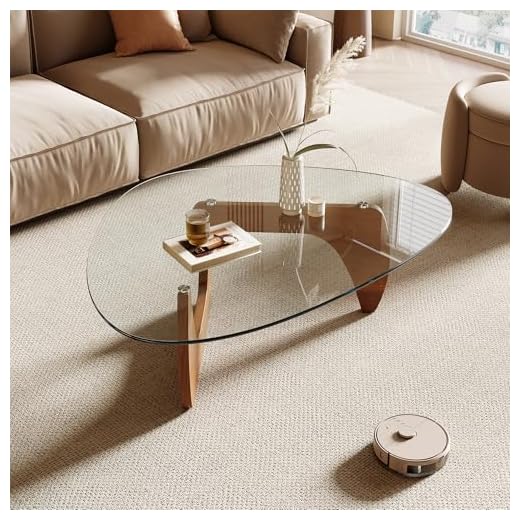
For a sleek and functional aesthetic, contemporary options emphasize clean lines, neutral palettes, and innovative materials. These selections often prioritize simplicity without sacrificing style, providing versatility for various applications. Consider integrating pieces that incorporate glass and metal for a fresh, updated look.
Defining Contemporary Furniture Style
Contemporary design focuses on minimalism, clean lines, and a neutral color palette. When selecting pieces for this aesthetic, prioritize functional forms and quality materials. Look for items with geometric shapes and smooth surfaces, often in woods, metals, and glass.
Here are some key characteristics to consider:
| Characteristic | Description |
|---|---|
| Color Palette | Soft neutrals like whites, grays, and beiges dominate; bold accents may be used sparingly. |
| Materials | Natural textures such as wood combined with metals and synthetic materials provide balance. |
| Shapes | Emphasis on straight lines and geometric silhouettes, creating harmony and cohesion. |
| Functionality | Pieces are often multifunctional, designed for practical use without sacrificing style. |
| Artistic Influence | Incorporate sculptural elements or artwork into the layout to enhance visual interest. |
By blending these elements, you can create a cohesive and inviting space that reflects the principles of contemporary design. Prioritize quality over quantity, choosing a few standout pieces that resonate with your personal taste. This approach ensures your environment remains stylish and functional for years to come.
Exploring Traditional Design Elements
Incorporating classic design components enriches any interior. Key aspects include rich woods, intricate carvings, and elegant fabrics. For instance, cherry and mahogany are popular choices due to their durability and beauty.
Timeless Features
Floral and damask patterns on upholstery evoke a sense of history. Opt for plush cushions and layered textiles, such as velvet and silk, to create depth. Additionally, consider using ornate mirrors and antique brass or gold accents to highlight charm.
Color Palette
Deep, saturated tones like burgundy, forest green, and navy blue can instill a feeling of warmth and sophistication. Pair these colors with neutral shades such as cream or beige to balance the overall aesthetic.
Identifying Minimalist Aesthetics
Embrace simplicity. Select furniture pieces that emphasize clean lines and uncluttered designs. Look for items made from natural materials, such as wood or metal, featuring neutral color palettes like white, grey, and beige.
Opt for functional designs that serve a purpose without extra embellishments. Multi-functional components like storage ottomans or extendable tables enhance practicality while maintaining the minimalist look. Avoid ornate details; focus on geometric shapes to create visual harmony.
Incorporate open spaces to allow each piece to breathe. A well-defined layout encourages a sense of tranquility. Position furniture away from walls if possible, fostering flow and openness. Consider adding a single statement piece, such as an oversized artwork or a uniquely shaped chair, to maintain balance without overwhelming the environment.
Utilize lighting to enhance the aesthetic. Fixtures should be sleek and simple; natural light is crucial. Use sheer curtains or none at all to maximize sunlight entering the room. Keep decorative objects minimal and intentional; choose a few carefully curated accessories that align with the overall theme.
Finally, declutter regularly. A minimalist aesthetic thrives on intentionality. Commit to keeping surfaces clear and reducing unnecessary items. This practice ensures that each piece maintains its significance and aligns with the overall serene atmosphere.
Understanding Mid-Century Modern Features
Mid-century modern design showcases clean lines, organic shapes, and a strong connection to nature. Key characteristics include functional forms with minimal ornamentation and an emphasis on simplicity. Furniture from this era often features tapered legs, which provide a light and airy aesthetic.
Material Choices
Wood, particularly teak and walnut, dominates this design period. These materials are often left with a natural finish to enhance their intrinsic beauty. Upholstery frequently incorporates bold colors and geometric patterns, exemplifying the playful yet sophisticated vibe of mid-century aesthetics.
Integration with Space
This style embraces open floor plans, creating a seamless flow between indoor and outdoor environments. Large windows and sliding glass doors are common, promoting natural light. Furniture arrangements tend to be casual, focusing on comfort and interaction, allowing for a relaxed atmosphere in shared living areas.
Recognizing Industrial Style Characteristics
To identify the essence of industrial aesthetics, focus on several key traits that define this raw and robust approach. Take note of the following elements:
- Materials: Emphasize metal, exposed brick, wood, and concrete. The texture and finish play a crucial role in establishing the characteristic look.
- Color Palette: Neutral shades dominate, with a preference for grays, browns, blacks, and whites. These tones contribute to a minimalist yet rugged appearance.
- Furniture Design: Select pieces that are both functional and simplistic. Look for utilitarian forms, often with vintage touches or reclaimed materials.
- Open Spaces: Favor large, uncluttered areas with high ceilings. An open floor plan allows for a seamless flow, enhancing the industrial vibe.
- Lighting: Incorporate large, statement fixtures like pendant lamps or factory-style chandeliers. Metal and Edison bulbs evoke a nostalgic industrial feel.
Additional Features
Pay attention to these supplementary details that enhance the industrial ambiance:
- Architectural Elements: Exposed ductwork, pipes, and structural beams highlight the unfinished look typical of warehouses and factories.
- Art and Decor: Choose artwork or decor that resonates with the industrial theme, such as metal sculptures or vintage industrial items.
- Textiles: Incorporate durable fabrics like leather and canvas, which complement the raw materials present throughout the space.
Recognizing these defining traits allows for a cohesive aesthetic that reflects the charm and character of industrial decor.
Diving into Eclectic Decor Approaches
Incorporating diverse influences creates a unique and personalized space where contrasting elements harmoniously coexist. To achieve this, I recommend following specific guidelines:
- Select a unifying color palette. Choose 2-3 primary colors and several accent shades to form a cohesive backdrop while allowing different pieces to stand out.
- Mix textures and materials. Combine various surfaces such as wood, metal, glass, and fabric to add depth and intrigue to the environment.
- Curate a diverse collection of artwork and accessories. Display pieces from different periods or cultures for a rich, story-filled aesthetic. This could range from contemporary art to vintage finds.
Furnishings can vary significantly in design. Here are some tips for selection:
- Look for statement pieces. A bold armchair or a distinctive coffee table can serve as conversation starters, providing a focal point within the room.
- Balance scale and proportion. Pair large items with smaller accessories to prevent overwhelming the space while maintaining visual interest.
- Incorporate personal mementos or heirlooms. These items add character and provide a sense of history, enhancing the overall theme.
Finally, do not hesitate to experiment. The beauty of this approach lies in its flexibility. Mixing elements from different eras or aesthetics helps express individual style–allowing creativity to flourish within the confines of a well-designed space.
FAQ:
How many different furniture styles are there?
Furniture styles are quite diverse, with numerous classifications that cater to various tastes and preferences. Common styles include Traditional, Modern, Contemporary, Rustic, Industrial, Mid-Century Modern, Art Deco, and Scandinavian, among others. Altogether, there can be dozens of identifiable styles, each with its own characteristics, materials, and design philosophies.
What are the main characteristics of popular furniture styles?
Each furniture style has distinct features. For example, Traditional furniture often showcases ornate designs with rich woods and classic patterns, while Modern furniture tends to favor clean lines and minimalism. Rustic styles use natural materials and organic forms; Industrial furniture incorporates raw materials like metal and wood with a more rugged aesthetic. Knowing these characteristics can help you choose a style that fits your home decor.
How can I choose the right furniture style for my home?
Choosing the right furniture style involves considering several factors. Start by assessing your personal taste and the existing decor of your space. Think about the mood you want to create—warm and inviting, sleek and modern, or something else. It’s also helpful to look for inspiration in design magazines, websites, or social media platforms. Finally, creating a mood board with images of furniture styles can help visualize how different pieces might work together in your home.
Are furniture styles interchangeable, or should I stick to one?
While some people prefer to stick to one furniture style for a cohesive look, it is perfectly acceptable to mix styles to achieve a more eclectic design. The key is to maintain a sense of balance and harmony within the space. You can accomplish this by using a consistent color palette, similar materials, or complementary textures to tie different styles together. Many designers advocate for curated collections that reflect personal taste rather than adhering strictly to one style.