Caleb Turner

I recommend preparing the surface by sanding it thoroughly. Start with a medium-grit sandpaper, working your way down to a fine grit for a smooth finish. Make sure to wipe off any dust with a damp cloth to ensure optimal adhesion of the coating.
Next, choose a high-quality pigment product specifically designed for achieving that rich, dark brown shade. Apply it evenly in a thin coat, using a brush or cloth, depending on the texture you desire. Allow it to penetrate for a few minutes before wiping away any excess.
Once the initial layer has dried, consider adding additional coats for a deeper color. Lightly sand between layers to enhance the finish and ensure a uniform appearance. To protect the wood and achieve a glossy sheen, finish with a clear sealant, allowing it to cure completely before using your piece.
Staining Techniques for Rich Brown Finish
First, prepare the workspace by ensuring adequate ventilation. Protect surrounding surfaces to prevent accidental exposure to the stain. Use a drop cloth or old newspapers to cover the area.


Select a quality product that suits the type of wood. Water-based options will dry quicker and are easier to clean up, while oil-based stains tend to provide a deeper color and often require more drying time.
Before application, sand the piece with fine-grit sandpaper (220 grit works well). This step smooths the surface and opens the wood grain, promoting better absorption. Wipe off any dust with a damp cloth, ensuring the surface is clean.
Utilize a clean, lint-free cloth or a foam brush for the application. Dip the applicator into the solution, then wipe off excess. Apply the finish in the direction of the grain to enhance the natural pattern.
| Step | Details |
|---|---|
| Preparation | Ventilate, protect surfaces. |
| Select Product | Water-based or oil-based options. |
| Sanding | Use 220 grit sandpaper. |
| Application | Use lint-free cloth or foam brush. |
After the initial coat dries, assess the color. If a darker tone is desired, apply a second layer following the same technique. Allow sufficient drying time between coats as specified on the product label.
Once the final coat is dry, consider sealing the surface with a suitable topcoat to enhance durability and add a protective layer. It can be water-based or oil-based, depending on the initial choice.
Maintain your item by cleaning with a soft cloth and using coasters to prevent scratches. Regular dusting will keep the appearance fresh and attractive.
Choosing the Right Espresso Stain for Your Furniture
I recommend selecting a high-quality, water-based or oil-based shade that suits your desired finish. Water-based options dry faster and emit fewer fumes, while oil-based variants provide a richer hue but take longer to cure. Consider the level of sheen; satin or semi-gloss provides a sleek look, while matte yields a more natural appearance.
Test the product on a small, inconspicuous area first to ensure compatibility with the wood grain and the final effect you’re looking to achieve. Different types of wood absorb color differently. For instance, oak tends to show a more pronounced grain than maple, altering the final effect of the tone.
If you want a warmer result, consider a mixed formula that contains hints of red or brown. For a cooler effect, look for shades with undertones of gray. It’s also wise to factor in the surrounding environment–walls, flooring, and other elements should harmonize with the selected tone.
Lastly, check the brand’s transparency regarding the ingredients. Opt for eco-friendly products if sustainability is a priority. This not only benefits the environment but also enhances indoor air quality during the application process.
Preparing Your Furniture for Staining
Thoroughly clean the surface with a damp cloth to remove dust and debris. For stubborn stains or grease, use a mild detergent solution, ensuring no residue remains after rinsing.
Sand the piece using medium-grit sandpaper (around 120-150 grit), working in the direction of the grain. This step enhances adhesion and helps achieve an even tone. Follow up with fine-grit sandpaper (220 grit) for a smooth finish. Always use a wood dust mask to avoid inhalation of wood particles.
If the existing finish is glossy, consider using a chemical stripper to remove it entirely. Follow the manufacturer’s instructions carefully, applying the stripper in a well-ventilated area and protecting surrounding surfaces. Rinse thoroughly after the stripping process.
Use a tack cloth to wipe down the furniture after sanding, ensuring all dust has been removed. This will prevent imperfections in the final appearance.
If desired, apply a pre-stain wood conditioner, especially on softwoods or unevenly grained timber. This can help achieve a balanced application and prevent blotching during the coloring process.
Gathering the Necessary Tools and Materials
Before beginning the transformation of your pieces, ensure you have the following tools and supplies ready. This preparation will streamline the entire process.
| Tool/Material | Purpose |
|---|---|
| Espresso wood stain | Coloring the wood to achieve the desired richness |
| Sandpaper (various grits) | Smoothing the surface for better adhesion of the finish |
| Lint-free cloths | Application and wiping excess product |
| Paintbrush or foam brush | Applying the stain evenly to detailed areas |
| Drop cloth | Protecting the workspace from spills |
| Face mask | Protecting lungs from fumes during application |
| Gloves | Protecting hands from staining product |
| Finish (sealant or topcoat) | Sealing the wood for durability post-staining |
| Measuring cup | Mixing stain with thinner, if necessary |
Once these items are secured, the process can proceed smoothly, focusing on achieving a consistent and appealing finish.
Applying the Espresso Stain Evenly
To achieve a uniform finish, I follow a systematic approach. I use a high-quality applicator, such as a foam brush or a clean rag, ensuring it’s well-saturated with the solution. An excessive amount will lead to drips, while too little will result in streaks.
Here’s my method:
- I start from one corner of the piece, applying the mixture in long, continuous strokes. This helps to blend the product seamlessly.
- Maintaining a wet edge is crucial. I work my way across, overlapping each stroke slightly to avoid noticeable lines.
- If I notice an uneven application, I go back over that area with my applicator immediately, blending it into the adjacent section.
Paying attention to the wood grain is key. I follow its direction during application, which enhances the natural look and minimizes the risk of blotches. On larger surfaces, I often opt for a paint sprayer for a smooth, even coat. However, I ensure to practice on scrap wood first to get a feel for the spray technique.
After the initial layer dries, I inspect for consistency. If I see areas that require more depth in color, I’ll apply a second or even third coat, remembering to sand lightly between layers with fine-grit paper.
Finally, I allow the piece to cure fully, which enhances the final appearance and durability of the finish.
Using Sanding Techniques for a Smoother Finish
For a flawless look, my go-to method involves proper sanding before applying any finishing products. I typically start with a medium-grit sandpaper, around 120-grit, to strip away any imperfections or old finishes. A block sander works wonders for flat surfaces, ensuring even pressure.
Step-by-Step Sanding Process
- Begin with 120-grit sandpaper. Sand along the grain to minimize scratches.
- Follow with 220-grit paper to smooth out the surface further, using light pressure.
- For intricate designs or details, I prefer using sanding sponges or contour sanders for precision.
- Never skip the vacuuming step; clear away dust between sanding sessions to avoid residue buildup.
Final Touches
After achieving a soft, smooth texture, I like to finish off with a final pass using a super fine 320-grit sandpaper. This last round enhances the surface, making it incredibly ready for absorption.
The key is patience. Taking the time to sand thoroughly pays off in the overall appearance and durability of the end result. I always find that the quality of the finish reflects the effort put into preparation.
Allowing Proper Drying Time for Stain
After applying the product, I allow a minimum of 6 to 8 hours for it to dry thoroughly. This crucial period ensures that the finish adheres properly and prevents issues like smudging or uneven color.
In a well-ventilated area, the drying process is more effective. I avoid placing the item in direct sunlight, as excessive heat can cause the surface to dry too quickly, leading to a poor finish.
For optimal results, I check the manufacturer’s recommendations regarding drying times, as different formulations may vary. If the surface feels tacky after the initial drying period, I extend the wait time to ensure complete curing.
Once dried, I lightly sand the surface before applying a second coat, ensuring improved adhesion and a smoother outcome. I repeat the drying and sanding process if I plan to apply multiple layers, maintaining the same attention to detail for each application.
Sealing the Stain for Long-Lasting Protection
I always apply a clear coat after staining to protect the surface from wear and moisture. A polyurethane finish is my preferred choice due to its durability and water resistance. For an optimal result, I thin the first coat slightly with mineral spirits, ensuring better penetration and adhesion. After the initial application, I let it dry completely before lightly sanding with fine-grit sandpaper. This practice creates a smoother surface and enhances the bond of subsequent coats.
Types of Clear Coats
I often choose between oil-based and water-based options. Oil-based finishes typically provide a richer look and are more durable, while water-based products dry faster and have lower odor levels. When deciding, I consider the project’s requirements and the desired final appearance.
Application Tips
Using a high-quality brush or foam applicator helps achieve an even coat without brush marks. I apply one or two additional layers of the clear coat, depending on the level of protection needed. Between each layer, I ensure proper drying and light sanding, which significantly increases the longevity and aesthetic of the wood surface.
Maintenance Tips for Stained Espresso Furniture
Regular care enhances longevity and appearance. I follow a few straightforward practices to maintain the deep tones and richness of my stained pieces.
- Dust regularly with a soft, lint-free cloth to prevent buildup. I avoid water dampened rags, as moisture can harm the finish.
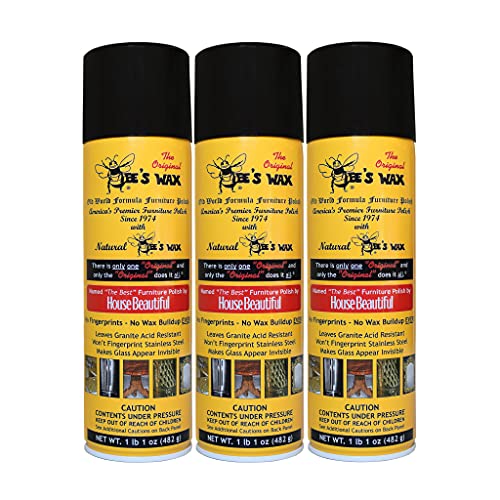
- Use a furniture polish specifically designed for stained wood. I apply it monthly to nourish the surface and add a subtle shine.
- For minor scratches, I utilize a colored wood wax crayon or marker that matches the stain. This helps to blend imperfections with the surrounding areas.
- Keep the environment consistent. I maintain room temperature and humidity levels to minimize expansion and contraction of the material.
- Avoid placing hot items directly on the surface. I always use coasters for cups and trays for larger dishes to prevent heat damage.
Each piece requires attention according to its usage. Maintaining a regular cleaning and care routine allows me to preserve the beauty and functionality of my treasures over time.