Caleb Turner

To achieve a fresh look for your upholstered items, select a high-quality, specially formulated spray that adheres to the material. Ensure you choose a product designed for use on porous surfaces, as this will promote adhesion and durability.
Preparation is key; start by cleaning the pieces thoroughly to remove dirt and oils. Next, apply a primer that is compatible with your fabric type, allowing it to dry according to manufacturer instructions. This step enhances the bond of subsequent layers, resulting in a more lasting finish.
Apply multiple thin coats of your chosen color, maintaining a consistent distance between the nozzle and the surface. This technique prevents drips and achieves an even application, ensuring a professional appearance once the project is complete. Allow adequate drying time between coats to maximize the quality of your work.
Transforming Upholstered Pieces with a Spray Technique
Before beginning the transformation, choose a suitable product specifically designed for materials like this. Ensure the environment is well-ventilated to avoid inhaling fumes, and use a mask for added protection.
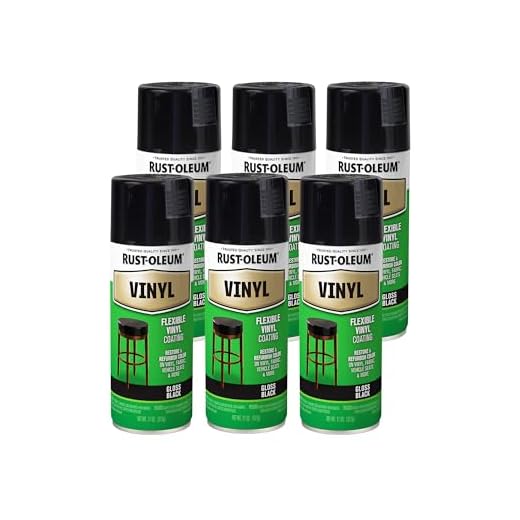


Follow these precise steps for optimal results:
- Preparation: Clean the surface thoroughly with a gentle cleaner to remove dirt and oils. This allows for better adhesion.
- Testing: Conduct a spot test on an inconspicuous area to check for compatibility and color accuracy.
- Masking: Use painter’s tape to shield areas you do not wish to alter. This helps achieve clean edges and a professional appearance.
- Application: Hold the can about 6-12 inches away from the surface. Apply the product in thin, even coats, starting with a light layer to prevent drips.
- Drying: Allow each layer to dry completely before applying the next. This could take around 15-30 minutes depending on the specific formulation used.
- Finishing Touches: After achieving the desired coverage, allow the final coat to cure according to the manufacturer’s instructions, typically 24-48 hours.
For maintenance, avoid using harsh chemicals on the newly treated surface. Instead, opt for a damp cloth to clean and preserve the finish.
Consider adding a protective sealant once fully cured to enhance durability and longevity of the new look.
Choosing the Right Paint for Leather
For transforming upholstery, opting for acrylic or specialty formulations explicitly made for the material ensures durability and flexibility. These options provide excellent adherence and prevent cracking over time.
When selecting a color, choose a hue that complements existing decor. Test small samples in different lighting conditions to see how they appear at various times of the day.
Finish Options
Decide between matte, satin, or glossy finishes based on the desired look. Matte offers a more natural appearance, while glossy finishes can create a more polished aesthetic.
Brand Recommendations
Brands like Angelus and Krylon are popular for their quality and range of colors. Research product reviews to assess performance and longevity before making a final choice.
Preparing the Leather Surface for Painting
First, clean the surface thoroughly using a mixture of mild soap and warm water. A soft cloth will help remove dirt and oils that could interfere with adhesion.
Next, dry the material completely with a microfiber towel. Ensure there are no moisture traces left, as this can disrupt the finish.
If the surface has any scratches or imperfections, consider using fine-grit sandpaper to smooth these areas. This step improves the texture for even coating.
After sanding, wipe down the area again with a damp cloth to remove dust particles. Allow it to dry. Using a dedicated leather conditioner may help restore some suppleness if needed, but don’t over-saturate.
For better adhesion, applying a primer specifically formulated for my material type is beneficial. This will enhance the bonding process for the next steps.
Lastly, ensure the work area is well-ventilated. Avoid direct sunlight to prevent any adverse reactions with the product. This preparation is key to achieving a long-lasting finish.
Masking Areas to Avoid Overspray
To achieve precise results, I recommend using high-quality masking tape and plastic sheets to protect areas that should remain untouched. Ensure that the tape adheres well to the surface, creating a seal to prevent any stray mist from escaping. Firmly press down the edges of the tape, particularly around seams and any contours.
Choosing the Right Material for Masking
I prefer using contractor-grade masking tape, which offers superior adhesion compared to regular tape. It reduces the risk of paint seeping underneath. Plastic sheeting can cover larger areas, like walls or floors, effectively acting as a barrier against overspray.
Finishing Touches
Once I’ve masked the necessary sections, I inspect to ensure there are no gaps. For added protection against overspray, I place newspaper or drop cloths over adjacent surfaces, handling this step with care. This attention to detail guarantees a clean and professional finish.
Applying Primer for Better Adhesion
To ensure optimal bonding of the coating, I always use a high-quality primer designed for synthetic materials. A suitable primer promotes adhesion and allows the top layer to adhere correctly, enhancing durability and appearance. For best results, I select a primer that matches the type of coating I plan to apply.
Steps for Effective Primer Application
1. Clean the surface thoroughly to remove any dirt, grease, or oils that can interfere with adhesion.
2. Shake the primer canister well to mix the contents for an even application.
3. Apply a light, even coat, keeping the nozzle about 6-12 inches away from the surface. This helps prevent drips and runs.
4. Allow the primer to dry completely, following the manufacturer’s drying times indicated on the label.
5. Lightly sand the primed surface with fine-grit sandpaper for enhanced adhesion before applying the finishing coat.
Considerations for Primer Selection
| Type of Primer | Features |
|---|---|
| Water-Based | Quick drying, low odor, easy cleanup |
| Oil-Based | Durable, longer drying time, stronger adhesion |
| Spray Primer | Even application, ideal for detailed work |
Choosing the right primer is crucial for achieving lasting results. Avoid skipping this step, as it lays the foundation for a successful finish.
Techniques for Even Application
I recommend holding the can 6 to 12 inches away from the surface for optimal mist coverage. Maintain a steady hand and move the can in a sweeping motion from side to side, ensuring that each pass slightly overlaps the previous one. This technique helps to achieve a uniform coat.
Layering for Depth
Lightly mist several thin coats rather than applying one thick layer. Allow each coat to dry completely before applying the next. This not only enhances adherence but also prevents unsightly drips or runs. Generally, it’s best to apply three to four coats for rich color saturation.
Environmental Considerations
Work in a well-ventilated space with controlled humidity. High humidity can slow down the drying process, increasing the risk of imperfections. I also keep an eye on temperature; the ideal range is typically between 65°F and 85°F. This helps the substances cure properly, leading to a flawless finish.
Drying Time and Curing Process Explained
After application, expect the initial drying phase to last around 1 to 2 hours, depending on the environment’s humidity and temperature. Touch the surface gently to check if it feels dry, but avoid pressing hard to prevent any smudging.
The curing process can take up to a week. During this period, moisture continues to evaporate, and the finish hardens, improving durability. Keep the item in a well-ventilated area to assist with air circulation, ensuring not to place anything heavy on the surface until fully cured.
Avoid using the item regularly until curing is complete. The finish might seem dry on the surface, but it’s critical to allow adequate time for full hardening to prevent damage and maintain the finish’s integrity.
For optimal results, maintaining a moderate temperature around 70°F (21°C) will aid in both drying and curing. If possible, avoid exposing the item to direct sunlight during this phase, as excessive heat can create uneven results.
Once the item is fully cured, perform a light test by rubbing your fingertip across the surface. If there’s no residue or stickiness, it’s ready for use. This method ensures longevity and adherence of the new coating.
Maintaining Your Newly Transformed Leather Piece
To ensure your revitalized item remains in excellent condition, regularly apply a quality leather conditioner. This enhances flexibility and prevents cracking, especially in high-use areas.
Keep the surface clean by using a soft, damp cloth to wipe away dust and stains. Avoid harsh cleaning agents, as they can damage the color and finish.
Protection from Direct Sunlight
Position the restored piece away from direct sunlight. Prolonged exposure can cause fading and deterioration of the new finish.
Managing Temperature and Humidity
Maintain a stable environment. Extreme temperatures and humidity can adversely affect both the upholstery and the new coating. A room temperature of around 70°F (21°C) with moderate humidity levels is ideal.
Troubleshooting Common Issues During Painting
For any inconsistencies that arise during your project, consider the following solutions:
- Blotchy Finish: If you notice unevenness, ensure a consistent distance from the item while applying the coating. Reapply in light layers, allowing each to dry before adding more.
- Paint Peeling: This can occur due to improper adhesion. Lightly sand the surface after priming and before the final application. Confirm that primer is fully dry.
- Fumes: Ventilation is key. Always paint in well-ventilated areas, using fans if necessary to disperse any lingering odors quickly.
- Incorrect Color: If the shade is not as desired, it can be adjusted through layering with transparent veils or by applying a new top coat of the correct color.
- Drying Issues: Humidity can affect drying times negatively. Maintain a controlled environment; adding a dehumidifier may assist in rapid drying.
- Itchiness or Allergies: If experiencing irritation, avoid direct skin contact with the mist and wear a suitable mask during application.
Addressing these issues promptly can save time and enhance the outcome of your project.