Caleb Turner

Applying a protective sealant specifically designed for exterior metals significantly enhances the longevity of your outdoor seating. Select a high-quality product that offers UV and moisture resistance, ensuring that it withstands harsh weather conditions.
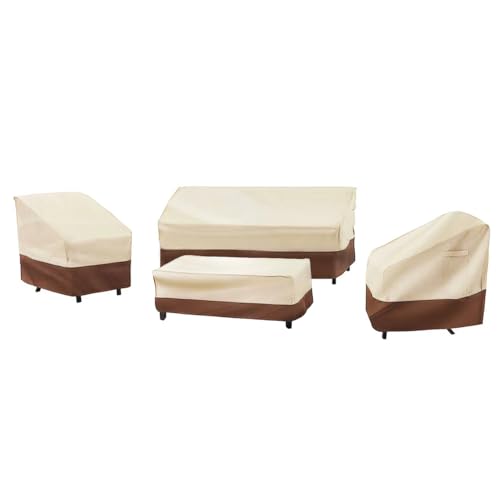
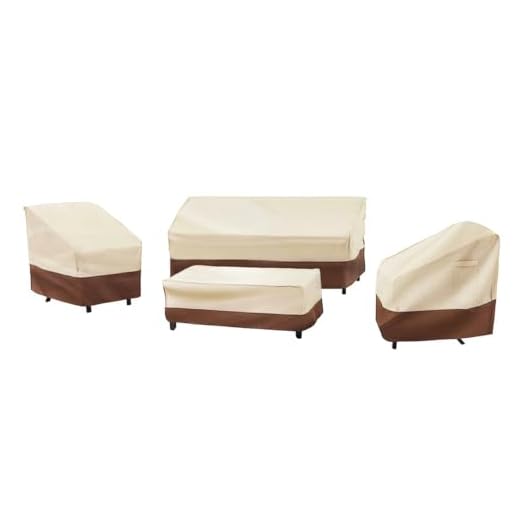
Covering your outdoor ensembles with breathable tarps or custom-fitted covers when not in use prevents exposure to elements like rain and snow. Ensure that any cover allows moisture to escape, as trapped water can lead to corrosion.



Regular cleaning using a gentle soap solution helps remove dirt and debris that may accumulate over time. Avoid abrasive cleaners, as they can scratch the surface and compromise the protective finish.
Consider positioning your items strategically to limit their exposure to direct sunlight during peak hours. This simple adjustment can help maintain their color and integrity over the years.
Lastly, during winter months, storing these pieces indoors or in a sheltered area extends their lifespan exponentially. Taking these measures pays dividends in preserving both appearance and functionality for years to come.
How to Shield Patio Pieces from Wear
Applying a high-quality sealant specifically designed for outdoor metal is a direct method I recommend. This barrier prevents moisture infiltration and oxidation, significantly extending longevity. Ensure the surfaces are clean and dry prior to application, allowing the sealant to bond effectively.
Regular Maintenance
Consistent cleaning with mild soap and water prevents the buildup of dirt and grime, which can cause corrosion. I opt for a soft sponge to avoid scratching the surfaces. After rinsing, I dry the items thoroughly to avoid water spots.
Covering for Protection
Invest in durable covers for those pieces not frequently in use. This provides an additional layer against the elements, including UV rays, rain, and snow. I make sure the covers are breathable to prevent moisture buildup underneath.
Lastly, move items indoors during extreme weather conditions. This simple act reduces wear from harsh temperatures and environmental factors.
Choosing the Right Location for Your Furniture
Selecting a suitable spot can significantly enhance the longevity of your outdoor pieces. I recommend placing them in shaded areas whenever possible. This helps mitigate the harmful effects of direct sunlight, minimizing fading and deterioration.
Consider the following factors:
- Proximity to Trees: Be cautious with trees that shed leaves or berries, as these can cause stains and require frequent cleaning.
- Wind Exposure: Positioning furniture in a sheltered area reduces the risk of wind damage and helps retain stability during gusts.
- Ground Surface: Ensure the ground is even to prevent wobbling. A level surface aids in maintaining balance and enhances overall comfort.
- Accessibility: Choose a location that is easily accessible for maintenance and cleaning. This makes it simpler to care for and enjoy your pieces.
- Proximity to Water Sources: If using a grill or other appliances, ensure they are a safe distance from water features to avoid accidental splashes and damage.
After considering these factors, I find a location that balances convenience, protection, and aesthetic appeal provides the best setting for outdoor living. Regularly reassessing the area throughout the seasons will also help in maintaining the integrity of your collection.
Applying a Protective Coating
I recommend selecting a high-quality outdoor sealant designed specifically for metal surfaces. These products often contain UV inhibitors to guard against fading and oxidation. Before application, thoroughly clean the surface using a mild soap solution and a soft brush. Rinse well and allow it to dry completely.
Application Process
Using a spray or brush-on application, apply a thin coat of the sealant evenly across all surfaces. Ensure to cover crevices and joints where moisture might accumulate. For optimum results, follow the manufacturer’s instructions regarding drying times and the number of coats needed. Usually, two to three coats provide the best defense.
Maintenance After Coating
Once the protective layer has cured, regularly inspect your seating for signs of wear or damage. If you notice any chips or scratches, address them promptly by touching up with the sealant to maintain full coverage. Additionally, during seasonal storage, use a breathable cover to allow moisture to escape while keeping debris at bay.
Regular Cleaning Techniques for Longevity
I recommend a consistent cleaning routine to enhance the lifespan of your outdoor seating. Start with a simple solution of mild soap and warm water. Utilize a soft sponge or cloth to gently scrub the surfaces, focusing on areas that collect dirt or debris. Avoid abrasive materials that can scratch the finish.
Frequency of Cleaning
Clean your outdoor seating at least once a month during frequent use seasons. After periods of inclement weather or heavy use, a quick rinse with a hose can prevent buildup. This helps in maintaining a pristine condition.
Stubborn Stains
For tougher stains, create a paste using baking soda and water. Apply it directly to the stained area and let it sit for about 15 minutes before gently scrubbing with a soft brush. Rinse thoroughly to remove any residue.
| Cleaning Task | Frequency | Recommended Products |
|---|---|---|
| General Cleaning | Monthly | Mild soap, water |
| Post-Storm Rinse | After storms | Water |
| Stain Removal | As needed | Baking soda, water |
Hydration is also essential. Make sure to dry off any moisture with a clean cloth after cleaning to prevent water spots and potential corrosion. Following these steps will ensure your outdoor pieces remain appealing and functional for years to come.
Covering Furniture During Inclement Weather
I recommend using high-quality, water-resistant covers specifically designed for outdoor seating. Ensure they are breathable to prevent moisture buildup underneath. Look for covers that fit snugly without excessive slack, as wind can easily displace them.
Before placing the covers, clean the surfaces thoroughly to avoid trapping dirt or debris, which can cause scratches. It’s wise to store any cushions or pillows indoors, as they may not fare well under harsh conditions.
Regularly check the integrity of the covers, looking for signs of wear or damage. Always remove the covers during pleasant weather to enjoy the seating, then replace them quickly when storm alerts arise.
For additional protection, secure the covers with straps or weights to prevent them from blowing away. Consider using a waterproof tarp for extra layers of defense during heavy storms.
By consistently shielding your outdoor pieces with appropriate coverings, I’ve found they remain in excellent shape year after year, significantly extending their lifespan and maintaining their appearance.
Inspecting for Damage Periodically
I recommend conducting a thorough examination of your outdoor seating and tables at least once a season. Look for signs of wear such as scratches, cracks, or corrosion. Pay close attention to joints and welds, as these areas can weaken over time.
Use a soft cloth to wipe down surfaces before inspecting. This will help you identify any irregularities that might be hidden under dirt or debris. If you notice any issues, address them immediately to prevent further deterioration. For small scratches, consider using a touch-up paint specifically formulated for metals, which can help maintain aesthetics and integrity.
Also check for loose bolts and screws; tight connections are vital for stability. If you find any fasteners that are starting to rust, replace them with stainless steel options to enhance durability. Prioritize these checks after severe weather, as storms can exacerbate existing damage.
A proactive approach to inspecting allows me to extend the lifespan of my outdoor seating arrangement and preserve its appearance, ensuring it remains inviting for gatherings and relaxing moments.
Avoiding Direct Contact with Harsh Chemicals
To maintain the integrity of your outdoor seating, it’s crucial to keep it away from aggressive cleaning agents. These substances can lead to discoloration and deterioration over time. Here are specific actions to take:
- Avoid using bleach or ammonia-based cleaners, as they can corrode the finish and material.
- Opt for mild, pH-balanced soaps designed for sensitive surfaces during cleaning.
- Conduct a patch test with any new cleaner on an inconspicuous area before widespread use.
- Steer clear of abrasive pads or scrubbers that can scratch the surface.
- Keep acidic substances, such as citrus or vinegar, away from your pieces, since they can cause etching.
Safe Alternatives
Instead of harsh chemicals, I recommend using natural solutions:
- Mix water with a gentle soap to create an effective cleaning solution.
- Consider vinegar diluted with water for mild cleaning, but apply it cautiously.
- For stubborn spots, a paste of baking soda and water can be effective without risking damage.
By adhering to these guidelines, I ensure my outdoor items remain in prime condition without the risk of chemical harm. Regular care and thoughtful cleaning practices extend their life significantly.
Using Furniture Pads on Hard Surfaces
Applying furniture pads beneath items is critical for maintaining the quality of surfaces. These pads act as a barrier, reducing friction and preventing scratches on both the furniture and the floor. For anyone placing their seating or tables on concrete, tile, or hardwood, this is indispensable.
Types of Furniture Pads
- Felt Pads: Ideal for smooth surfaces, these minimize movement and protect against scratches.
- Rubber Pads: They provide a firm grip, reducing the risk of slipping on hard floors.
- Plastic Glides: Useful for heavy items, allowing ease of movement while ensuring stability.
Installation Tips
- Clean the bottom of each leg to ensure proper adhesion of the pads.
- Measure and cut pads as needed to fit various leg shapes.
- Affix the pads firmly, applying pressure for a few seconds to enhance adhesion.
Regular inspections of pads are necessary. I recommend checking them periodically for wear and replacing them as needed. Properly applied pads prolong the lifespan of both the furniture and the flooring, making this simple addition worthwhile.
Seasonal Storage for Added Protection
During off-seasons, I prefer to store my outdoor pieces indoors or in a sheltered area to minimize exposure to elements. Before moving them, I make sure to clean them thoroughly to remove dirt, debris, and any residue that could cause corrosion.
For proper storage, I ensure that the area is dry and cool. Placing my items in a garage or a shed with proper ventilation can help prevent moisture buildup. If I must store them outside, I utilize breathable covers that allow air circulation while protecting against rain and snow.
Placing furniture on elevated surfaces, such as pallets or blocks, keeps them off the ground, which prevents moisture from seeping in. I make it a habit to periodically check on stored items to ensure they remain in prime condition.
| Storage Method | Advantages | Considerations |
|---|---|---|
| Indoor Storage | Full protection from elements, less wear and tear | Requires space and accessibility |
| Covered Outdoor Storage | Accessible for quick use, allows airflow | Risk of moisture if covers are not breathable |
| Elevated Storage | Prevents ground moisture contact | Requires flat surface for stability |
Finally, I always ensure that items are stacked securely without crushing or damaging each other. This method proves beneficial for extending their lifespan and maintaining their aesthetic appeal. Regular inspection during storage helps me catch any potential issues early, ensuring they are ready for use when warmer weather returns.
FAQ:
What are the best ways to clean cast aluminum patio furniture?
To clean cast aluminum patio furniture, use a mild soap solution mixed with warm water. A soft-bristle brush can help remove grime and dirt without scratching the surface. For tougher stains, a vinegar and water solution can be effective. Rinse the furniture with clean water and dry it thoroughly to prevent moisture buildup, which can lead to corrosion.
How can I protect my patio furniture from rust?
While cast aluminum is resistant to rust, it can still tarnish or corrode under certain conditions. To protect it, apply a protective wax or sealant designed for outdoor furniture. Regularly check for any scratches or chips in the finish and address them promptly to prevent moisture from penetrating. Storing the furniture indoors during harsh weather can also help prolong its life.
Is it necessary to cover cast aluminum patio furniture?
Using covers for your cast aluminum patio furniture is highly recommended, especially during inclement weather or long periods of non-use. Covers help shield the furniture from UV rays, rain, and debris, which can contribute to wear. If you don’t have covers, consider storing the furniture indoors or in a sheltered area during winter or storms to minimize exposure.
What type of paint or finish is safe for repainting cast aluminum furniture?
When repainting cast aluminum furniture, it is best to use a high-quality paint specifically designed for metal surfaces. Look for options like enamel or acrylic spray paints that provide durability and resistance to UV rays. Before application, make sure to clean the item thoroughly and apply a primer designed for metal to ensure better adhesion of the paint.
How often should I maintain my cast aluminum patio furniture?
Regular maintenance is key to keeping cast aluminum patio furniture looking its best. Aim to clean it at least once a month during the outdoor season. Additionally, inspect the furniture for any signs of damage or wear and perform maintenance as needed. An annual deep clean and application of a protective sealant can help ensure longevity and appearance.
What are some tips for protecting my cast aluminum patio furniture from the elements?
To protect your cast aluminum patio furniture, consider the following tips: First, regularly clean the furniture to remove dirt and debris that may cause corrosion. Use mild soap and warm water, avoiding abrasive cleaners that can scratch the surface. Second, apply a protective finish, such as furniture wax or a specially formulated aluminum protector, to create a barrier against moisture and harmful UV rays. Additionally, whenever possible, store the furniture indoors during harsh weather conditions or cover it with breathable covers to shield it from rain, snow, and intense sunlight. Lastly, inspect the furniture regularly for signs of wear or damage and address any issues promptly to prolong its lifespan.