
 Caleb Turner
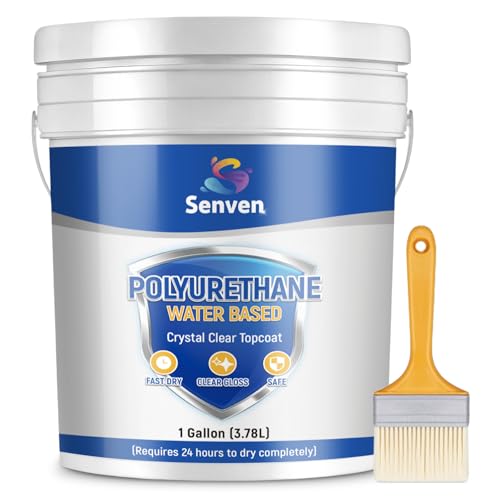
For achieving a durable finish on your customized items, I recommend using a high-quality polyurethane or water-based acrylic sealer. Both options provide excellent protection against scratches and moisture, ensuring long-lasting results.
Before applying the sealer, ensure the surface is clean and free from dust or grease. Sanding the painted surface lightly with fine-grit sandpaper will promote better adhesion. I typically wipe the surface down with a damp cloth afterward to remove any dust particles.
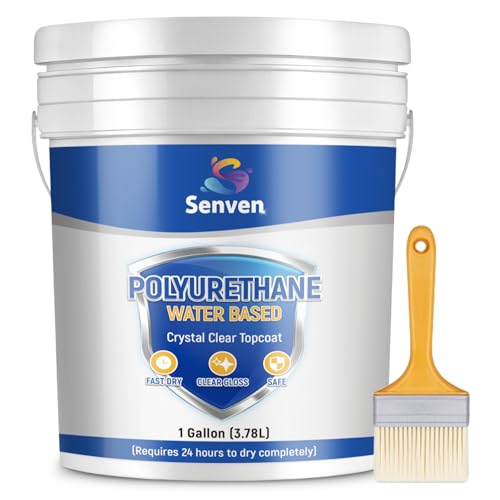


When it’s time to apply the protective layer, use a synthetic brush or a foam applicator for a smooth and even coat. I find that working in thin layers minimizes the risk of drips and bubbles, with drying times varying by product, typically around 2-4 hours between coats. Aim for at least two coats for optimal resilience.
To finish, allow ample curing time as specified on the sealer product label before introducing any items onto the surface. Patience is key here; it’s worth the extra time to ensure that your pieces are well-protected and retain their aesthetic appeal.
Protecting Your Colorful Creations
I recommend using a water-based polyurethane for a durable finish. It’s easy to apply and dries quickly. Make sure to choose a satin or semi-gloss finish to maintain the appearance of your work. For application, use a high-quality brush or a foam brush for smoothness. Apply thin, even coats–two to three layers should suffice–for optimal protection.
Preparation Steps
Before applying any protective layer, ensure the surface is clean and dry. Lightly sand the painted area with fine-grit sandpaper to promote adhesion. Wipe off any dust with a damp cloth and let it dry. This step will enhance the bond between the finish and your coating.
Application Tips
Approach application in a well-ventilated area. Apply the first coat and allow it to cure as instructed on the product label, usually 2-4 hours. If you notice any imperfections or bubbles, lightly sand the surface again before adding the next layer. Finish with a final coat for a robust barrier against scratches and stains.
Choosing the Right Sealing Product for Painted Surfaces
For optimal protection, I recommend water-based polyurethane for its durability and clarity. It dries quickly and is easy to clean up with soap and water.
If a more natural finish is desired, look for a high-quality wax blend. This option adds a subtle sheen while enhancing the color beneath without altering it dramatically.
For outdoor or high-traffic areas, an acrylic lacquer provides superior moisture resistance. This choice ensures longevity even under stress from daily use.
Inspect your options carefully; read labels to verify compatibility with your prior coating. Some products may require specific preparation or application techniques for best results.
I often prefer products with low VOCs for healthier indoor air quality. Choose those marked as environmentally friendly without sacrificing performance.
Conduct a patch test on a small, inconspicuous area before full application. This step guarantees that the chosen sealant adheres well and meets aesthetic expectations.
Always check the manufacturer’s recommendations for both the coating and the sealant to ensure compatibility and optimal performance.
Preparing the Furniture for Sealing Process
Ensure surfaces are clean and ready for application. Begin by wiping down each piece with a damp cloth to remove dust and dirt. For tougher stains, a mild soap solution can help; rinse thoroughly afterward.
Next, lightly sand surfaces using fine-grit sandpaper. This step is crucial: it creates a texture that promotes adherence of the protective layer. Sand in the direction of the grain, being careful not to over-sand and damage the finish.
After sanding, vacuum the area to eliminate dust particles. A tack cloth can also be used to pick up any lingering debris. Allow the surface to dry completely before proceeding with any further steps.
Inspect for Imperfections
Inspect each piece closely for chips, scratches, or uneven areas. Any imperfections should be addressed prior to applying any protective product. Use a touch-up paint to fill in chips and allow it to cure as recommended.
Test the Surface
Before moving forward, conduct a small test with your chosen sealing agent on an inconspicuous area. This will let you observe how it interacts with the existing finish and confirm it achieves the desired outcome.
- Gather cleaning supplies: damp cloth, mild soap, vacuum, tack cloth.
- Get fine-grit sandpaper for smoothening.
- Use touch-up paint if necessary.
- Evaluate your sealing agent compatibility.
By following these steps, I can ensure a durable, aesthetically pleasing finish that enhances and protects my items effectively.
Applying the First Coat of Sealant Evenly
To ensure a uniform application of the initial layer of protective finish, I use a high-quality synthetic bristle brush or a foam applicator. Synthetic brushes do not shed bristles, which minimizes debris in the coating, while foam applicators offer a smooth, streak-free finish.
Before dipping the brush or applicator, I lightly stir the sealant to avoid any separation of components. I then dip the brush about one-third of the way into the product, removing excess by gently pulling it along the rim of the container. This avoids drips that can compromise the finish.
Technique for Application
I apply the sealant in long, even strokes, maintaining a consistent pressure. It’s essential to work in sections, starting from one edge and moving towards the opposite side. Overlapping strokes slightly helps maintain an even coat. I also ensure to feather the edges where different sections meet to prevent visual seams.
Drying and Inspection
After applying the first coat, I allow it to dry fully as per the manufacturer’s instructions, usually around one to two hours. Once dry, I lightly inspect the surface for any uneven areas or streaks. If needed, I can easily touch up these spots with a quick swipe of the brush. Waiting to apply a second coat until the first is completely cured ensures a durable finish.
Allowing Proper Drying Time Between Coats
After applying the initial layer of your protective finish, patience plays a significant role in achieving a durable outcome. I typically allow at least 2 to 4 hours for the first coat to dry, depending on the specific product used and the environmental conditions. Make sure the area is well-ventilated to promote optimal air circulation, which aids in drying.
When it comes to applying subsequent layers, adhering to the manufacturer’s instructions is crucial. Some products might require a different drying time between coats. In my experience, waiting 24 hours before adding a second coat ensures the integrity of the first application. This gap allows moisture to escape fully, reducing the chance of bubbling or peeling later on.
If you’re working in humid conditions, extend the waiting period to avoid trapping moisture between layers. In such cases, checking the finish for tackiness before proceeding can save time and effort down the line. A good test I employ is to lightly touch the surface; if it feels sticky, additional drying time is necessary.
| Conditions | Drying Time |
|---|---|
| Low Humidity | 2-4 hours between coats |
| Normal Humidity | 4-8 hours between coats |
| High Humidity | 24 hours or more between coats |
After the final layer, I wait at least 72 hours before heavy usage. This allows the product to cure completely, ensuring the best protection and longevity. Following these drying recommendations has consistently led to smoother surfaces and enhances the overall finish quality.
Inspecting and Sanding Between Sealant Layers
After the initial coat dries, I carefully inspect the surface for imperfections. Any bubbles, dust particles, or uneven spots should be addressed before proceeding. I use a bright light to highlight any flaws that might be difficult to see under normal conditions.
Surface Examination
I run my fingers over the dried layer to feel for any irregularities. If I notice any areas that feel rough or uneven, I take fine-grit sandpaper (typically 220-grit) and lightly sand those spots. This helps to create a smooth surface for the next layer, ensuring optimum adhesion.
Cleaning the Surface
After sanding, I ensure to remove any dust generated from the process. A clean, lint-free cloth dampened with water or a compatible cleaner does the trick. This step prevents contaminants from affecting the subsequent coat. I let it dry completely before applying additional finish, reinforcing the integrity of the entire application.
Applying a Final Coat for Optimal Protection
For maximum durability, I opt for a clear polyurethane finish. This not only enhances appearance but also shields the underlying color. I choose a water-based option for a quicker drying time and reduced odor, making the application more comfortable indoors.
I start with a clean brush or roller, applying the finish in thin layers. This technique ensures an even distribution and limits the risk of drips. My goal is to cover every inch without overloading the surface.
I always pay attention to temperature and humidity levels, as these factors can affect drying and curing. Ideally, I work in a well-ventilated area at room temperature. I allow at least two hours of drying time before touching the surface to minimize fingerprints or smudges.
After the first coat dries, I inspect for imperfections. If needed, I lightly sand the surface with fine-grit sandpaper before applying a second layer. This step ensures better adhesion and a smoother finish. Once I repeat this process for a third coat, I find the results are significantly more robust.
Finally, I give the last coat ample time to cure–typically 24-48 hours–before using the piece. This final wait guarantees that the surface is strong enough to withstand everyday wear.
Maintaining Sealed Furniture for Longevity
Regular cleaning is key to preserving the integrity of the finish. Utilize a soft microfiber cloth and a gentle cleaner, avoiding harsh chemicals or abrasive materials.
Immediately address spills and stains by blotting gently with a damp cloth. This prevents moisture from penetrating the surface.
For added protection, consider placing coasters under drinks and utilizing placemats for hot dishes. This proactive approach minimizes potential damage.
Avoid excessive exposure to direct sunlight, as UV rays can degrade the coating over time. Position items away from windows or use window treatments to mitigate light exposure.
Occasionally inspect for any signs of wear. If the topcoat appears scuffed or dull, light sanding followed by a touch-up application will restore its appearance.
Maintain a balanced humidity level in your space. Extreme fluctuations can cause wood to expand or contract, leading to potential cracks in the surface.
Every year, consider reapplying a fresh coat of protectant. This maintains the barrier against everyday wear and ensures that the surface remains resilient.
By implementing these practices, I ensure my belongings remain stunning and functional for years to come.
Troubleshooting Common Sealing Issues
If streaks or imperfections appear after drying, it’s likely due to uneven application. I recommend applying a thin, even layer and ensuring the brush or roller is adequately loaded without excess product.
Cloudiness or Haze
Cloudiness may occur if moisture is trapped under a layer. To remedy this:
- Ensure the surface is completely dry before applying additional coats.
- Use a spray application for the final layer to reduce the risk of trapping moisture.
Peeling or Lifting
If you notice peeling, this often results from improper adhesion. Here’s what I do:
- Check that the previous layer has cured fully before applying the next.
- Sanding between layers can enhance adherence and help avoid future lifting.
Inconsistent sheen can be frustrating. If certain areas appear shinier than others:
- Inspect for unequal application and consider buffing with fine sandpaper to create uniformity.
- Apply a separate coat to areas that need extra attention.
For any bubbles formed during the coating process, follow these steps:
- Gently pop bubbles with a fine tool.
- Lightly sand the area once fully dried and retouch with a small application in that spot.
After addressing any issues, always allow sufficient drying time and inspect the surface before using to ensure durability.


