
 Caleb Turner

Applying a high-quality finish to exterior wooden items can significantly enhance their longevity and maintain their natural beauty. First, ensure the surface is clean and dry before proceeding. This step involves removing any dirt, dust, or mildew, which can be easily done with a mild detergent solution and a soft brush.
After cleaning, let the wood dry completely. For the best results, choose a clear penetrating oil containing UV inhibitors. Such oils not only preserve the wood’s color but also prevent it from drying out and cracking. Use a brush or cloth to apply the oil generously, following the wood grain. Allow excess product to soak in, then wipe away any residue.
Consider reapplying the oil annually or semi-annually, especially in harsh climates, to maintain protection. Regular inspections for signs of wear or damage can help address issues early, ensuring your outdoor pieces remain in top shape for years to come.
Applying a Protective Coating for Outdoor Wood Items
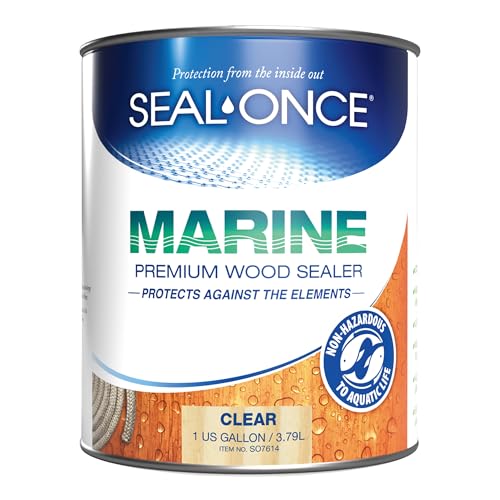
Choose a high-quality, penetrating oil finish specifically designed for exterior surfaces. I prefer formulations that highlight the natural grain while providing robust protection against moisture and UV rays. Test the product on a small, inconspicuous area before full application to ensure compatibility and aesthetic satisfaction.
Preparation Steps
Thoroughly clean the surface using a mixture of mild detergent and water to remove dirt and grime. For deeper restoration, a wood brightener can be helpful. Ensure the wood dries completely before applying any protective product, as moisture can hinder adhesion and create uneven results.


Application Techniques
Use a high-quality brush or a clean cloth to apply the finish evenly. Work with the grain, applying thin, even coats. Allow adequate drying time between applications as specified by the manufacturer, typically around 24 hours. For best outcomes, aim for at least two to three coats to enhance durability and finish quality.
Choosing the Right Sealant for Cedar Furniture
For effective protection, I recommend oil-based sealants. They penetrate deeply and provide a natural look while enhancing the wood grain. Look for options labeled as “transparent” or “semi-transparent” to maintain the cedar’s beautiful appearance.
Types of Sealants
- Penetrating Oil Sealers: Ideal for ensuring moisture resistance, they soak into the wood, preventing swelling and cracking.
- Acrylic-Based Sealants: These offer excellent UV protection and drying quickly, making them suitable for quick projects.
- Polyurethane Sealants: Known for extreme durability, they are perfect for areas that experience heavy use, but they can alter the wood’s color.
Key Features to Consider
- UV Protection: Essential for guarding against sun damage, choose a product with UV inhibitors.
- Water Resistance: Ensure the selected option can withstand moisture accumulation, preventing mold.
- Application Method: Select a product that fits your preferred application style, whether brushing, spraying, or rolling.
Before purchasing, always read reviews and check for warranties that can offer reassurance regarding performance and longevity. Prioritize sealants that match your climate conditions, as extreme temperatures can affect performance.
Preparing the Surface Before Sealing
Thoroughly clean the surface using a mild soap and water solution. A soft brush or sponge will help remove dirt and grime without damaging the wood. Rinse well and allow it to dry completely; this typically takes at least 24 hours depending on the weather conditions. Make sure there’s no dampness, as moisture can interfere with the adhesion of the protective product.
Sanding the Wood
Once dry, sanding the surface is crucial. Use medium-grit sandpaper (around 120-150 grit) to smooth out any rough areas, following the grain to avoid scratches. After that, switch to finer sandpaper (220 grit) for a polished finish. Ensure to remove any dust with a vacuum or a damp cloth, as leftover particles can lead to an uneven coating.
Checking for Damage
Inspect the entire piece for signs of wear, such as cracks or splintering. Repair any damage using wood filler, allowing it to dry thoroughly before sanding those areas once again. This ensures a uniform surface for the finish and extends the lifespan of the item.
Step-by-Step Guide to Applying the Sealant
Prepare the area by laying down drop cloths to protect surfaces from any drips. I ensure the workspace is well-ventilated to allow for adequate drying and to minimize fumes.
1. Tools and Materials
Gather a natural-bristle brush or a foam applicator for an even application. I also keep a paint tray handy to avoid excess product on the applicator. A respirator mask and protective gloves are essential for safety.
2. Application Process
Begin with a small amount of the chosen product in the tray. Dip the applicator, then tap off excess to prevent pooling. Working in the direction of the grain, apply the liquid in thin, even coats. I make sure to cover all surfaces, including the undersides, using long, smooth strokes.
I take care to check for drips or runs and smooth them out immediately. After the first coat, I let it dry according to the manufacturer’s instructions. A second coat is often beneficial for increased protection, applied in the same manner as the first.
After the final application, I carefully clean my tools with mineral spirits or soap and water, depending on the sealant type, to ensure they remain in good condition for future use.
Allow the piece to cure for the recommended time before exposure to moisture or heavy use, ensuring longevity and durability of the finish.
Best Practices for Drying and Curing Time
Allow at least 24 to 48 hours for proper drying after applying any coat. Make sure the environment is well-ventilated; this significantly influences the curing process.
Key Factors for Effective Drying
- Temperature: Aim for a mild and stable temperature, ideally between 60°F and 80°F.
- Humidity: Lower humidity levels promote quicker drying. Aim for 30-50% humidity for best results.
- Airflow: Enhance ventilation to facilitate faster evaporation of moisture.
Full curing may take up to 14 days, depending on environmental conditions and the type of product used. Avoid exposure to rain or moisture during this period.
Monitoring Drying Progress
- Check the surface: It should feel dry to the touch.
- Visual inspection: Look for any streaks or unevenness; this could indicate improper drying.
- Test with a small area: Apply water on a corner to see if it beads up or soaks in–this helps gauge readiness for any additional coats.
Sticking to these guidelines maximizes durability and ensures that the protective barrier provides its intended longevity.
Routine Maintenance Tips for Sealed Cedar Furniture
To keep your treated wooden pieces looking fresh, I recommend cleaning them regularly with a soft cloth and mild soap solution. This helps remove dirt and prevents buildup that can compromise the finish. Avoid abrasive cleaners that could scratch the surface.
Inspection
Quarterly, I check for signs of wear or damage. Look for areas where the protective layer may have become thin or uneven, particularly in high-use spots. Addressing these issues early prevents larger problems down the line.
Reapplication
Every one to two years, I suggest applying a new coat of protective product. This refreshes the finish and enhances the aesthetic appeal. Make sure to follow the same preparation steps used initially before reapplying. Always work on a cool, dry day to ensure optimal adhesion and drying.
Lastly, when storing outside pieces for winter, use covers to shield them from harsh weather. Proper care enhances durability, ensuring enjoyment for years to come.
Identifying and Addressing Common Issues
Regular inspection of the exterior wood piece is crucial for spotting potential problems. I keep an eye out for signs of wear, such as fading or discoloration. If I notice areas that appear dull or lifeless, it’s a signal to refresh the protective barrier.
Another common concern is water damage, which may manifest as swelling or warping. To combat this, I ensure the surface is properly prepped before reapplication of the protective layer. If I observe any cracks, these should be sanded down to ensure a smooth finish.
I also check for mildew or mold, especially in humid conditions. If I spot any growth, I carefully clean it with a mixture of water and mild detergent, followed by thorough rinsing and drying to prevent future issues.
Addressing UV damage is critical as well. If the finish begins to crack or peel, I strip the old product using a gentle solvent before reapplying. This step ensures adherence and longevity of the new coat.
I’ve noted that insect infestations can be detrimental. I treat these areas with appropriate insecticides, followed by sealing once the treatment takes effect.
| Issue | Action |
|---|---|
| Fading or discoloration | Reapply protective coating |
| Water damage (swelling/warping) | Sand down and reapply finish |
| Mold or mildew | Clean with mild detergent |
| UV damage (cracking/peeling) | Strip old product before reapplication |
| Insect infestations | Treat with insecticides prior to sealing |
By staying on top of these common challenges, I ensure my outdoor pieces remain in excellent condition throughout the seasons.
FAQ:
What materials do I need to seal outdoor cedar furniture?
To seal outdoor cedar furniture, you will need several materials. First, choose a high-quality sealant or wood finish specifically designed for outdoor use, such as a penetrating oil or a water-repellent finish. You will also need a clean cloth or brush for application, sandpaper (preferably 220-grit) for surface preparation, and a drop cloth to protect surfaces below your furniture. Additionally, wearing gloves and a mask is recommended for safety during application.
How do I prepare my cedar furniture for sealing?
Preparation is key for effective sealing. Start by cleaning your cedar furniture with a mild soap and water solution to remove dirt or grime. Rinse thoroughly and allow it to dry completely. If your furniture has any old finish or rough spots, lightly sand the surfaces with 220-grit sandpaper to create a smooth texture. After sanding, wipe down the surface with a clean cloth to remove any dust particles before applying the sealant.
How often should I seal my outdoor cedar furniture?
The frequency of sealing cedar furniture depends on the local climate and the specific product you use. Generally, it is recommended to reseal every 1 to 3 years. If your furniture is exposed to harsh weather conditions like heavy rain or intense sun, you may need to seal it more frequently. Regular inspections will help you determine when it’s time to reapply; look for signs of wear or fading in the finish.
Can I use any type of sealant on cedar furniture?
Not all sealants are suitable for cedar furniture. It’s best to choose products that are specifically formulated for wood used outdoors. Look for sealants labeled as water-repellent or UV-resistant to protect the wood from moisture and sunlight. Some natural oils, like teak oil, are also good options for cedar. Avoid using sealants that contain harsh chemicals that could harm the wood’s natural beauty.
What is the best method for applying sealant to cedar furniture?
The best method for applying sealant involves a few steps for optimal results. Using a clean cloth or brush, apply the sealant evenly along the wood grain. Start at one end of the furniture and work your way to the other, ensuring complete coverage. Allow the sealant to soak in for the time recommended on the product label, then wipe off any excess. For a durable finish, consider applying a second coat after the first has fully dried, following the manufacturer’s instructions for drying times.
What steps should I take to properly seal my outdoor cedar furniture?
To seal your outdoor cedar furniture effectively, first, ensure the furniture is clean and dry. Use a gentle soap and water solution to remove any dirt or mildew, then rinse thoroughly and allow it to dry completely. Next, choose a high-quality sealant designed for outdoor wood, such as a penetrating oil or a water-repellent product. Apply the sealant using a brush or spray, following the manufacturer’s instructions for the best results. Make sure to cover all surfaces, including hard-to-reach areas. After applying, allow the sealant to cure for the recommended period before using the furniture. Regular maintenance, like reapplying sealant every year or as needed, will help preserve the beauty and durability of your cedar furniture.


