
 Caleb Turner

Applying a barrier is crucial for longevity. I recommend using a clear topcoat to safeguard your vivid creations. Look for a water-based polyurethane for a durable finish that won’t yellow over time. It’s critical to select a product that is easy to apply with a brush or a spray to avoid brush strokes.
Before applying the protective layer, ensure the surface is completely dry. Typically, waiting at least 24 hours after your initial application allows for maximum adhesion. Lightly sand the surface with fine-grit sandpaper (around 220 grit) between coats to enhance the bond of the layers.
When applying the finish, use thin, even coats. I suggest two to three layers for optimal protection. Allow each coat to dry fully before adding the next; this helps prevent bubbling or peeling. Keep your workspace dust-free to avoid particles settling on your masterpiece.
Finally, remember to cure the piece for a few days after the final coat. This period enhances durability and allows the finish to harden completely. Following these steps will ensure your artistic efforts remain stunning for years to come.
Sealing Techniques for Color Application on Timber Surfaces
I recommend using a clear topcoat for long-lasting protection. Select a water-based polyurethane or a non-yellowing varnish for a durable finish. These options maintain the color integrity and provide a hard layer of defense against scratches and moisture.
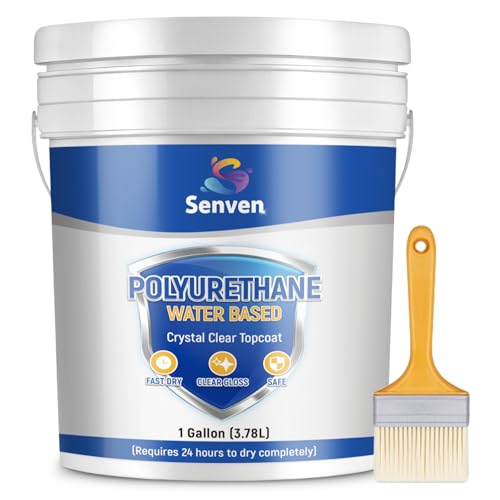


Before applying the topcoat, ensure the color is fully dried. A waiting period of 24 hours is advisable, as it enhances adhesion. Lightly sand the surface with fine-grit sandpaper to promote better bonding and remove any imperfections.
When applying the topcoat, use a synthetic brush or a foam applicator for smooth coverage. Avoid over-brushing to prevent bubbles. If using a spray finish, maintain a consistent distance and overlap your strokes for an even application.
| Coating Type | Properties | Drying Time |
|---|---|---|
| Water-based Polyurethane | Non-yellowing, low odor | 1-2 hours |
| Oil-based Polyurethane | Durable, amber tint | 4-6 hours |
| Varnish | Water-resistant, UV protection | 1-2 hours |
For maximum longevity, apply at least two coats of the topcoat, allowing adequate drying time between applications. Be sure to lightly sand between each layer for optimal results. After finishing, let the piece cure fully for several days before regular use to ensure the finish hardens completely.
Maintain the surface by cleaning with a damp cloth and avoiding harsh chemicals. This routine will preserve the appearance and durability of your restoration work over time.
Choosing the Right Sealer for Acrylic Applications
Select a product based on your needs. If durability is a priority, a polyurethane might be the best choice for long-lasting protection. Look for water-based formulations that allow for quick drying and low odor, making them suitable for indoor use.
For projects requiring a more natural finish, consider opting for a wax sealer. This option enhances the surface’s appearance without altering the color significantly. Keep in mind that wax may require more frequent maintenance compared to synthetic options.
Matte finishes are popular for a softer look, while glossy versions can provide a more contemporary aesthetic and enhanced resilience. Choose according to the visual outcome you desire.
Before making a decision, take a moment to check compatibility with the underlying surface. Conduct a test patch when possible to ensure the chosen option adheres properly and achieves the desired finish.
- Water-Based Polyurethane: Excellent for durability and ease of use.
- Wax: Ideal for a natural look but requires maintenance.
- Matte vs. Gloss: Choose based on aesthetic preference.
- Compatibility: Always test before full application.
Be mindful of environmental conditions and application methods. Follow the manufacturer’s instructions for the best results and allow adequate drying times between coats. This can greatly influence the final outcome and longevity of the finish.
Preparing the Surface Before Sealing
Begin with a thorough cleaning to eliminate any dust, dirt, or grease. I typically use a mixture of mild soap and water, applying it with a soft cloth. After washing, I ensure the area is completely dry by allowing it to air out for several hours.
Sanding the Finished Layer
Once clean and dry, I recommend lightly sanding the surface with fine-grit sandpaper. This helps to create a better bond between the top and protective layers. I make sure to sand gently, focusing on any uneven spots. After sanding, I wipe the surface with a clean, damp cloth to remove any dust particles.
Checking for Imperfections
It’s essential to inspect for any imperfections such as cracks or chipped areas. I fill these with wood filler, allowing it to dry completely before proceeding. After drying, I lightly sand the filled areas for a smooth finish, ensuring that the surface is even before applying the final coat.
Applying the Sealer: Methods and Techniques
For the best results, I prefer using a brush for applying the protective coating, as it allows for better control and coverage. Choose a high-quality synthetic brush, ensuring no bristles are shedding during application. Start at one corner and work in manageable sections to maintain a wet edge, preventing overlapping marks.
Spraying Method
If I need a smooth, even finish, utilizing a spray method is my go-to. I opt for a spray sealer specifically designed for craft projects. I ensure to work in a well-ventilated space, holding the sprayer about 6-12 inches from the surface. Using sweeping motions helps distribute the product evenly, and I apply several light coats instead of one heavy layer to avoid drips.
Laminating Technique
For extra durability, the lamination approach works wonders. After applying the first coat, I allow it to dry completely before placing a clear laminate sheet over the surface. I carefully smooth out any bubbles using a soft cloth, ensuring a tight bond. This technique enhances protection, especially in high-use areas.
Regardless of the method, I always allow sufficient drying time between coats, following the manufacturer’s instructions. These techniques ensure a lasting finish that enhances the underlying design while providing the needed protection.
How Many Coats of Sealer Do You Need?
I recommend applying at least two to three layers of protective finish for optimal durability. Each coat should be applied only after the previous one has fully dried, ensuring a robust barrier. Depending on the specific brand and formula, drying times can vary, so follow the manufacturer’s instructions.
If you’re working with a high-traffic item, consider applying a fourth layer for added protection. Pay attention to the texture and finish you desire; more coats can enhance sheen and resilience.
After the last coat, allow adequate curing time before using the item to achieve the best results. This can range from a few days to a couple of weeks, depending on environmental factors and product specifications.
Testing a small area with your chosen product can also help gauge how many layers provide the best finish and protection for your specific project.
Drying and Curing Times Explained
For optimal results, understanding drying and curing stages is crucial. I recommend allowing at least 1-2 hours for the initial drying phase of a clear coat; this allows the surface to feel dry to the touch. However, it’s important to wait longer prior to using or applying additional layers.
The curing process is different, taking anywhere from 7 to 30 days. Curing is when the top layer hardens completely and reaches its maximum durability. Factors such as temperature, humidity, and air circulation can significantly affect these times. Here’s a breakdown:
- Temperature: Warmer environments speed up drying and curing.
- Humidity: High humidity levels can prolong drying and curing times.
- Air Circulation: Good airflow can expedite the process.
During curing, it’s best to avoid contact with the surface to prevent smudging or damaging the finish. Testing the hardness by gently pressing a finger against an inconspicuous area can indicate readiness. If it feels tacky, give it more time.
In cases of applying multiple layers, ensure each coat is fully dried before adding the next. This layering method enhances durability and provides a more robust finish. To help gauge readiness between layers, use a fan to increase air circulation, aiding both drying and curing.
Monitoring these factors carefully will help achieve a long-lasting and smooth final surface.
Maintaining Sealed Acrylic Coatings on Wooden Surfaces
Regular dusting is essential. I use a soft microfiber cloth to prevent scratches that can mar the top layer. For deeper cleanings, a damp cloth with a mild soap solution works well; I ensure to wring it out thoroughly to avoid excess moisture.
Direct sunlight can fade colors. I position items strategically away from windows or use UV-protective window films to safeguard against harmful rays. This significantly extends vibrancy over time.
When exposing the item to humid environments, such as kitchens or bathrooms, I employ dehumidifiers or moisture-absorbent packets to counteract potential damage. This practice helps maintain the integrity of the surface treatment.
Spills and stains should be handled immediately. I blot rather than wipe, as the latter can spread the liquid or cause abrasions. After blotting, I clean with soap and water and immediately dry the area.
Periodic inspections for wear and tear are necessary. If I notice any dullness or scratches, I carefully buff the area with a soft cloth or apply a touch-up product I keep on hand specifically for these situations.
Finally, I avoid placing hot items directly onto the surface; using coasters or mats prevents damage from heat exposure. This simple adjustment can protect the finish significantly.


