
 Caleb Turner
Begin with a thorough inspection of the affected area. Look for any cracks, chips, or signs of wear. For minor dings, a wood filler can be applied to fill the gap. Choose a filler that closely matches the color and grain of your item for a seamless finish.
Once the filler is applied, let it dry completely according to the manufacturer’s instructions. After drying, sand the area with fine-grit sandpaper to achieve a smooth surface. Using a damp cloth, wipe away any dust to prepare for finishing.
The next step is to restore the original appearance. Select a matching stain or paint to refresh the look. I prefer water-based stains for ease of use and quicker drying times. Apply it using a soft brush, and let it dry before evaluating if a second coat is necessary.


Finally, seal the corner with a clear finish. A polyurethane or varnish provides an extra layer of protection against future damage. Apply thin coats, allowing each one to dry fully before applying the next. This process not only enhances the beauty of the piece but also ensures its longevity.
Repairing Corner Wooden Pieces
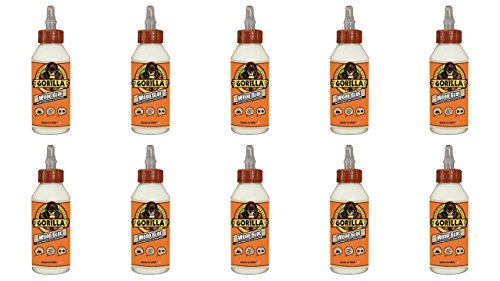
To fix damaged edges on your piece, I apply a combination of wood glue and clamps. First, I carefully clean the joints of any old adhesive or debris for a secure bond. Squeeze a small amount of wood glue into the gap, then align the sections accurately. I use clamps to hold everything in place until the glue fully cures, usually for 24 hours.
For deeper scratches or dents, I often use a wood filler that matches the grain and color of the original material. After applying it to the affected area, I let it dry completely before sanding it down gently until smooth. This process helps to seamlessly blend the repair with the surrounding surface.
If there are visible cracks or splits, I find that inserting small wooden dowels can add strength. I drill holes in each side of the crack, insert the dowels with glue, and allow it to dry. Once set, I trim any excess dowel and sand it flush with the surface.
To restore the finish after repairs, I choose a matching stain or varnish. I apply it with a brush or cloth, ensuring even coverage. After drying, I lightly sand between coats for a smooth final appearance. I often aim for two to three coats to achieve a durable and polished look.
Finally, I ensure to maintain the integrity of the entire structure by checking all joints and screws. Tightening loose fittings can prevent further damage down the line. This thorough approach extends the life of treasured pieces significantly.
Assessing Damage and Identifying Issues
Before taking any action, I closely inspect the affected area for cracks, dents, or loose joints. I make notes on each issue, as this helps in planning the next steps. Pay special attention to the structural integrity; loose joints may require more than superficial fixes.
Types of Damage
It’s crucial to recognize various types of harm. Common issues include:
- Chips and Scratches: Surface imperfections can often be sanded down and filled with appropriate materials.
- Warping: Excessive moisture or heat may cause deformation, needing careful evaluation of the underlying cause.
- Loose Connections: If I notice any instability in joints, I verify if screws or dowels are missing or damaged.
Surface Analysis
I assess the finish as well; peeling or faded areas indicate that refinishing might be necessary. For varnished surfaces, I test a hidden spot to determine the type of finish, ensuring I select compatible products for any restoration work. Always remember to seek out the root cause of any damage to prevent future occurrences.
Choosing the Right Adhesives for Repair
For strong and durable bonding, opt for PVA (polyvinyl acetate) glue. It works well for most types of joints in your wooden structures, providing a satisfying hold once cured.
PVA Glue Options
- White PVA Glue: Ideal for general use; dries clear and can be sanded once cured.
- Yellow Carpenter’s Glue: Offers a stronger bond and water resistance; perfect for high-stress areas.
For greater exposure to moisture or outdoor applications, consider using a waterproof adhesive like epoxy. This type provides exceptional strength and gap-filling properties.
Using Epoxy
- Two-Part Epoxy: Mix resin and hardener; perfect for structural repairs.
- Clear Epoxy: Dries transparent and can be strengthened with fillers for additional support.
Polyurethane adhesive is another reliable choice when flexibility is needed. It expands while curing, making it suitable for uneven surfaces and gaps.
- Great for: Bonding different materials, such as wood and metal.
- Considerations: Requires humidity for optimal curing; cleanup is easier while wet.
When selecting an adhesive, ensure compatibility with the materials involved. Always follow the manufacturer’s instructions regarding application and drying times for the best results.
Techniques for Rejoining Split Corners
First, align the separated pieces accurately, ensuring the edges are flush without gaps. This precision is crucial for a seamless bond.
Apply a wood glue that offers strong adhesion and flexibility. For split areas, a thicker application can fill in gaps effectively. After applying the adhesive, use clamps to maintain pressure on the joint while it cures. Make sure to use padded clamps to prevent indentations on the surface.
Consider using dowels for extra strength. Drill aligned holes into both pieces of the joint, insert dowels with glue, and reassemble. This method enhances stability and durability.
If the damage is extensive, adding corner brackets or splines can reinforce the structure. Attach them with screws for added support while ensuring they’re visually unobtrusive.
Inspect for excess glue after curing and clean it up immediately, as dried adhesive can ruin the aesthetics. Sand the repaired area lightly for a uniform finish.
| Technique | Description |
|---|---|
| Alignment | Ensure edges are flush for a seamless joint. |
| Wood Glue | Use a strong, flexible adhesive for durability. |
| Clamping | Maintain pressure while the glue cures to avoid gaps. |
| Dowels | Drill holes and insert dowels for added strength. |
| Corner Brackets | Provide reinforcement and stability with screws. |
Filling Gaps and Cracks in Wood
To effectively address gaps and cracks, I opt for wood filler that matches the finish of the item being restored. Begin by cleaning the affected area with a damp cloth to remove dust and debris.
Application Process
Follow these steps for a flawless fill:
- Use a putty knife to apply the wood filler into the crack or gap, ensuring it’s pressed firmly to eliminate air pockets.
- Overfill slightly, as the filler will shrink as it dries.
- Allow it to cure according to the manufacturer’s instructions, typically a few hours.
Sanding and Finishing
Once dry, sand the area smooth with fine-grit sandpaper until it is flush with the surrounding surface.
- Start with 120-grit paper followed by 220-grit for a silky finish.
- Clean all dust off before applying the final stain or sealant to ensure even coverage.
This approach yields a seamless appearance, restoring the structural and aesthetic integrity of the piece.
Finishing Touches: Sanding and Staining
To achieve a smooth surface after fixing, I recommend using 120-grit sandpaper initially. This grit effectively eliminates roughness while preserving the integrity of the seams. Sand gently along the grain, avoiding excessive pressure to prevent damage.
Once the surface is smooth, proceed to 220-grit sandpaper for a finer finish. This grit enhances the texture, preparing it for staining. After sanding, wipe the area with a damp cloth to remove dust particles. Allow it to dry completely before applying any stain.
Select a stain that matches the original shade or complements the existing finish. I usually opt for a gel or oil-based stain for better penetration and color consistency. Using a brush or clean cloth, apply the stain evenly, following the wood grain. It’s best to work in manageable sections to ensure consistent coverage.
After applying the stain, let it sit for a few minutes, then wipe off the excess with a clean, dry cloth. This technique enables better absorption and leads to a more even color tone. To protect the finish, consider adding a clear topcoat after the stain dries completely. A polyurethane finish provides a durable protective layer, enhancing the wood’s appearance while safeguarding it against wear.
Finally, allow the entire piece to cure for several days before regular use. This step is essential for the longevity of the finish, ensuring that it adheres properly and provides the necessary protection.
Preventive Measures for Future Repairs
Regular maintenance proves invaluable. I schedule periodic inspections, focusing on joints and seams that are more likely to experience wear over time. Identifying potential weaknesses early can save significant effort later.
Protective Finishes
Applying high-quality sealants or varnishes offers an extra layer of defense against moisture and scratches. I recommend selecting finishes specifically designed for durability, ensuring they can withstand daily use. Reapplying these coatings every few years maintains the protective barrier.
Environmental Controls
Maintaining a stable environment is key. I keep the humidity levels consistent, ideally between 40-60%. This prevents the material from expanding or contracting excessively, which often leads to damage.
Using coasters, placemats, and felt pads directly reduces the risk of scratches and dents. I find that these small precautions contribute significantly to preserving the integrity of surfaces.
Avoid placing heavy items on surfaces without checking their stability. Even distribution of weight helps maintain shape and prevents unnecessary strain on joints.
Finally, I always store cleaning products away from these items, as harsh chemicals can degrade finishes over time. Opting for gentle, natural cleaning solutions keeps surfaces looking their best without compromising their structure.


