
 Caleb Turner
I recommend using a pair of rubber gloves. Simply dampen them slightly and run your hands over the fabric. The static electricity generated attracts the strands, making it easy to gather them into clumps.
Another practical solution involves a lint roller. Equip yourself with this handy tool and roll it over the affected areas. The sticky sheets efficiently lift away stray fibers and keep upholstery looking pristine.
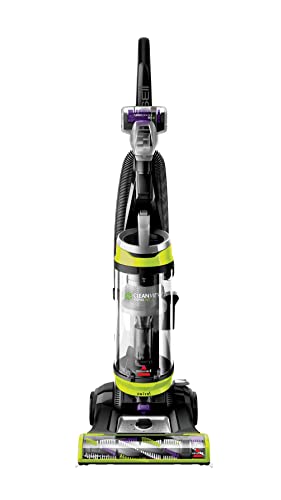
If you’re dealing with stubborn remnants, try a vacuum cleaner with a brush attachment. The rotating brushes agitate the fabric, allowing for more thorough extraction of any lingering particles. Make sure to adjust the settings for optimal performance.
For a more homemade approach, a mixture of fabric softener and water in a spray bottle can work wonders. Lightly mist the surface and wipe with a clean cloth. This not only helps to dislodge fibers but also leaves a pleasant scent behind.
How to Clear Fur from Microfiber Seating
I recommend using a rubber glove as a quick solution. Put it on and dampen it slightly, then simply run your hand over the surface. The friction will gather the strands effectively.

An alternative approach involves utilizing a lint roller. Its adhesive sheets are excellent for picking up any remnants without causing damage to the fabric.
If you want to go deeper, try mixing equal parts water and vinegar in a spray bottle. Lightly mist the area, then wipe gently with a microfiber cloth to lift any trapped fibers.
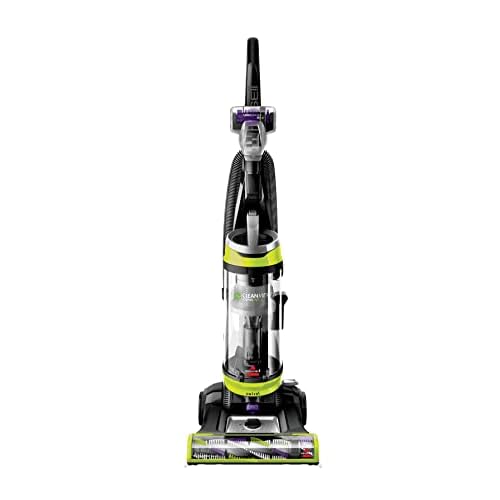
Another technique is to vacuum with the brush attachment. Make sure to go slowly to give the vacuum time to capture everything, paying special attention to seams and crevices.
<pFor stubborn clumps, a fine-tooth comb can help break them apart. Gently comb through the fabric to dislodge any tangled fibers. This method works well in combination with the vacuum or lint roller.
Creating a regular maintenance routine with these methods can greatly reduce build-up over time, making cleaning sessions quicker and easier.
Choosing the Right Cleaning Tools for Pet Hair
I recommend starting with a rubber glove. Dampen it slightly and run your hand over the surface of your upholstery to gather unwanted fibers effectively. The static electricity created helps lift stubborn strands.
Vacuum Cleaners
A vacuum cleaner with a pet hair attachment stands out in efficiency. Ensure the vacuum has strong suction and rotating brushes to dislodge fibers embedded deep within the fabric.
| Vacuum Type | Features | Advantages |
|---|---|---|
| Upright | Strong suction, large capacity | Ideal for surface cleaning |
| Handheld | Portability, specialized attachments | Great for quick clean-ups |
| Robotic | Automated cleaning, scheduling features | Convenient for daily maintenance |
Lint Rollers and Brushes
Consider using lint rollers or specialized brushes designed for this type of upholstery. They can capture stray fibers quickly and are perfect for touch-ups between deeper cleanings.
Using a Vacuum Cleaner on Microfiber Upholstery
For effective upkeep of your microfiber seating, utilizing a vacuum cleaner is a key step. Choose a vacuum equipped with a brush attachment to dislodge trapped particles and fibers.
Follow these specific steps for optimal results:
- Begin by removing any loose debris or crumbs using the handheld option, ensuring a thorough clean before focusing on the fur.
- Switch to the upholstery attachment. This ensures gentle contact without damaging the delicate fabric.
- Set the vacuum to a low suction setting to prevent fabric distortion while maintaining sufficient power to extract embedded debris.
- Work in specific directions–up and down, then side to side. This cross-hatching technique helps free fibers effectively.
- For stubborn debris, repeat the process with slight pressure on the nozzle, being cautious not to press too hard.
After vacuuming, consider using a lint roller or sticky tape as a final touch to trap any remaining fine particles, enhancing the cleanliness of your plush surfaces.
Regular upkeep with a vacuum will diminish the buildup of fur, keeping your upholstery looking fresh and inviting.
Using a Lint Roller for Quick Cleaning
Placing a lint roller within reach makes tackling stubborn fibers a breeze. I recommend rolling it back and forth across the surface, applying light pressure to pick up the unwanted strands. The sticky sheets efficiently capture debris in one swift motion, saving time and effort.
Technique for Best Results
For optimal effectiveness, I find that starting at one end of the item and working toward the other ensures complete coverage. If you encounter particularly stubborn areas, peeling off the outer layer of the sheet exposes a fresh adhesive surface, enhancing the cleaning process. Utilizing a few sheets helps maintain cleanliness, keeping the tool handy for quick touch-ups.
Maintenance Tips
After use, store the lint roller upright to prevent the sheets from curling. If you regularly deal with debris, consider keeping an extra roller in different rooms. This accessibility lets me address fiber issues promptly, ensuring my living space remains tidy and fresh.
Applying Sticky Tape to Capture Stubborn Fur
I find sticky tape to be a straightforward yet highly effective method for tackling tenacious fibers on upholstery. This method requires minimal tools and can yield quick results.
- Choose a high-quality adhesive tape, such as duct tape or packing tape, for maximum stickiness.
- Cut a piece of tape that’s long enough to cover your hand comfortably.
- Press the sticky side of the tape against the fabric, applying gentle pressure to ensure it adheres well.
- Lift the tape away in a swift motion to pull up the trapped fibers.
- Repeat as necessary, replacing the tape with a new piece once it’s covered with fur.
This technique is particularly useful for hard-to-reach areas or intricate patterns where a vacuum or lint roller might fail. Keep a roll handy for quick touch-ups, especially before guests arrive or for regular maintenance.
- Experiment with different widths of tape; wider strips can cover more surface area in one go.
- For delicate fabrics, test on an inconspicuous area first to ensure no damage occurs.
This simple trick can take just a few minutes of your time and provide a noticeable difference in the appearance of your upholstery.
Washing Microfiber Covers: Best Practices
To maintain the integrity of microfiber covers, I always opt for cold water when washing. Using warm or hot water can compromise the fabric’s fibers, leading to damage or shrinking.
For detergent, I prefer a mild, bleach-free soap. This choice helps prevent color fading while ensuring a gentle clean. Adding a cup of white vinegar during the rinse cycle can also enhance softness and eliminate odors.
I typically avoid using fabric softeners. While they make fabrics feel smooth, they can leave a residue that inhibits microfiber’s natural properties. Instead, air drying the covers after washing retains their shape and texture, preventing any heat-related issues from the dryer.
Before placing covers in the washer, checking the care label is essential. Each item may have specific instructions that can guide the cleaning process effectively.
In case of tough stains, I create a paste of baking soda and water, applying it directly to the affected area. Letting it sit for a few hours before rinsing can significantly help lift stains without damaging the fabric.
After washing, I gently shake and reposition the fabric to reduce wrinkles. Using a soft brush can revive the fibers if they appear flattened.
Regular Maintenance to Prevent Hair Buildup
Establishing a routine for cleaning upholstery makes a visible difference. I recommend vacuuming at least once a week to catch early signs of accumulation. Attach a brush nozzle to enhance efficiency around textured surfaces.
Incorporate a weekly lint roller session for quick touch-ups. This keeps surfaces looking fresh between thorough cleanings, providing a daily solution to minor fur issues.
A voiding wet cleaning methods helps maintain the fabric’s integrity. Instead, utilize fabric protectants after washing covers, as this establishes a barrier against future clinginess. Regularly inspect for any wear or damage that may allow fur to settle deeper into the fabric.
Designate specific areas for pets to lounge, reducing the likelihood of widespread furry deposits. Use designated pet beds or blankets, which can be easily washed and managed.
Stay proactive by brushing your animal regularly. This significantly lessens shedding in shared living areas. Adapting this strategy will not only keep your surroundings tidier but also contribute to a healthier environment for your furry companion.
Finally, stay consistent with your maintenance schedule. Small, regular efforts yield noticeable results in preserving both aesthetics and comfort.


