
 Caleb Turner

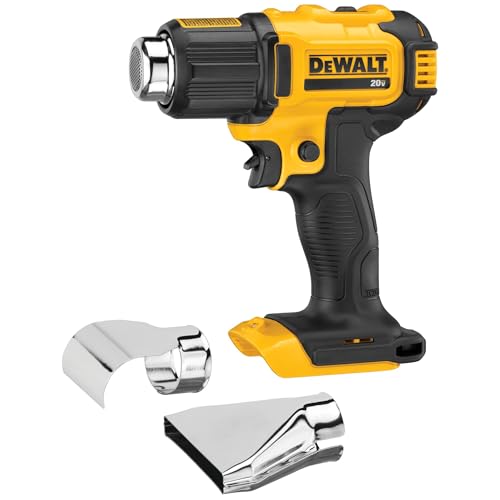
To achieve a clean surface on your wooden items, I recommend starting with a heat gun. This tool allows you to gently warm the layers of color, causing them to bubble up. Once bubbled, a scraper will help to lift off the softened residue effectively.
It’s essential to work in small sections to avoid overheating the wood. Additionally, I prefer using a fine-grit sandpaper after scraping, ensuring that any leftover bits are eliminated and the surface becomes smooth.
When dealing with stubborn sections, a chemical striper can be useful. Apply it according to the product’s instructions, and be sure to wear appropriate protective gear. This method often yields excellent results, especially for intricate designs.
Lastly, after the old finish is gone, consider applying a wood conditioner or fresh varnish to restore the beauty of the natural grain. This not only protects the surface but also enhances its overall appeal.


Restoring Wooden Surfaces
Begin with a quality stripping solution. Apply generously with a brush, ensuring even coverage. Let it sit according to the manufacturer’s instructions, typically around 15 to 30 minutes. This allows the chemical to penetrate, softening the coating.
Scraping Techniques
Utilize a plastic scraper for delicate finishes. Metal scrapers can damage the underlying material, so be cautious. Work at a shallow angle to lift the softened layer gently. Alternate between wide and narrow blades for corners and intricate details.
Final Touches and Cleaning
After scraping, wipe the surface with a clean cloth dampened with mineral spirits. This will eliminate residue and prepare the surface for refinishing. If streaks remain, repeat the process or consider fine sanding with a grit of 220.
| Steps | Products Needed |
|---|---|
| 1. Apply Stripper | Stripping Solution |
| 2. Wait | – |
| 3. Scrape Coating | Plastic/Mild Metal Scraper |
| 4. Wipe Down | Cloth, Mineral Spirits |
| 5. Sand if Necessary | Sanding Block, 220 Grit Paper |
Choosing the Right Paint Stripper for Wood
I recommend opting for a biodegradable formula if you’re seeking a less toxic alternative. It is safer for both the environment and your health while remaining effective against stubborn residues.
Types of Strippers
There are three main categories: solvent-based, caustic, and bio-based options. Solvent-based solutions typically work quickly, but can emit harsh fumes. Caustic removers may require a longer application time and careful handling due to their strong chemical nature. Bio-based products, though generally gentler, might necessitate extra time for effective results.
Factors to Consider
Focusing on the specific finish of your item is important. Certain solutions are better suited for intricate details or multiple layers. Always check compatibility with the type of surface you’re working with to avoid damage. Additionally, consider application ease and cleanup process when choosing the right product for your restoration project.
Make sure to read user reviews or ask for recommendations from professionals to ensure reliability. This insight helps in identifying the most suitable options based on your unique needs.
Lastly, conduct a small test on an inconspicuous area to evaluate effectiveness before fully committing to a specific product.
Preparing Your Workspace for Paint Removal
Ensure adequate ventilation in your area. Open windows and doors to facilitate airflow. Utilize fans if necessary to keep a constant stream of fresh air circulating.
Clear the workspace of any unnecessary items. Remove objects that may interfere with the task or get damaged. Ensure that the surface where the undertaking will happen is clean and dry.
Lay down a drop cloth or old sheets to protect the floor from spills and drips. This will make cleanup easier. Secure the edges of the cloth with tape if needed to prevent shifting.
Gather safety equipment. I recommend wearing gloves, goggles, and a mask to protect against harsh chemicals and dust. Make sure to have these items readily accessible.
Organizing Your Tools
- Collect all necessary tools including scrapers, brushes, and containers for collecting remnants.
- Have a bucket of water nearby in case of spills or to clean tools as you work.
- Organize your items in a way that minimizes movement, keeping everything within arm’s reach.
Setting Up Lighting
Ensure that your workspace is well-lit. Good lighting helps identify areas needing attention and ensures safety while working with sharp tools and chemicals.
Use portable work lights if natural light is insufficient. Position them to avoid shadows that could obscure your view.
Applying Paint Stripper: A Step-by-Step Guide
I begin by carefully gathering all necessary materials, including a suitable chemical agent, protective gloves, a brush, and a scraper. Ensuring proper ventilation is paramount; I open windows or use a fan to circulate air in the space.
Step 1: Test the Stripper
I apply a small amount of the chosen substance on an inconspicuous area. Monitoring the reaction helps me determine the effectiveness and any potential damage to the surface.
Step 2: Application
Using a brush, I evenly coat the surface with the stripping agent, ensuring full coverage without puddling. I let it sit for the recommended time according to the manufacturer’s instructions, typically ranging from 10 to 30 minutes.
I remain attentive and check periodically for bubbling or lifting, indicating readiness for the next step. After the waiting period, I take a scraper and gently lift the softened coating, working in the direction of the grain to avoid damaging the underneath layer.
For areas with stubborn residue, I may reapply the stripper and repeat the process until clean. I finish by wiping the surface with a cloth and neutralizing any remaining agent as per the product guidelines, ensuring a safe final result.
Using Heat Guns Safely on Wooden Surfaces
Before beginning, I ensure I wear the appropriate safety gear: goggles, gloves, and a mask to shield myself from fumes. Setting the temperature on the heat gun to a lower setting is crucial, as excessive heat can scorch or damage the underlying material.
I always maintain a safe distance between the gun and the surface, typically around 4 to 6 inches. This distance allows for effective heating without risking burns or unnecessary damage. Gradually moving the heat gun in a back-and-forth motion ensures even heating while preventing hotspots.
It’s important to monitor the area for any signs of scorching or charring. If I notice any discoloration, I immediately adjust the heat source or pull back slightly. Using a putty knife or scraper, I gently test the softened coating, applying just enough pressure to avoid gouging the surface.
In my experience, it’s best to have a fire extinguisher nearby as a precaution. Wooden items are flammable, and maintaining safety is paramount. I also work in a well-ventilated area to minimize inhalation of potentially harmful vapors.
After completing the task, I carefully clean the space by disposing of any debris and double-checking the surface for residual materials. This attention to detail helps maintain the integrity of the item and ensures a safer environment for future projects.
Manual Scraping Techniques for Delicate Wood
I recommend using a fine-edged scraper made of stainless steel for fragile surfaces. This tool minimizes the risk of gouging while effectively lifting residue. Hold the scraper at a low angle to the surface, allowing it to glide and gently separate the unwanted layer.
For intricate details or carved elements, opt for a smaller, more precise scraper. Working in sections is crucial; tackle one area at a time to maintain control and avoid damage. Apply minimal pressure initially to assess how much material can be lifted without compromising the underlying surface.
Utilizing a steady, sweeping motion helps ensure an even approach. If a stubborn spot persists, you can soften it by applying a suitable solvent directly to that area for a few minutes. Afterward, a gentle scrape should yield better results without harsh impacts.
Regularly clean the scraper’s edge during the process. Build-up on the blade can transition from effective to damaging quickly. A small brush can assist in removing any accumulated debris and prolonging the tool’s usefulness.
For safety, always work in a well-ventilated area. I suggest wearing protective eyewear and a mask to guard against dust and particles. Observing these practices enhances the experience and ensures a safe workspace.
Once the bulk has been cleared, a light sanding with fine-grit paper can refine the surface, preparing it for finishing touches. This final step enhances the piece’s elegance while protecting the integrity of the original material.
Cleaning and Neutralizing the Surface After Stripping
After stripping the old coating, I always clean the surface thoroughly to eliminate any residue from the stripper and remnants of the previous finish. This step is crucial to prepare the item for any further treatment. I use a mixture of warm water and a gentle detergent, applying it with a soft cloth to avoid scratching the surface. Rinsing the cloth frequently ensures that I’m not spreading any leftover chemicals around.
Neutralizing Agents
I often include a neutralizing solution, especially when using chemical strippers. A mixture of vinegar and water works well to counteract any lingering alkaline residues, ensuring a balanced surface. After applying the neutralizer, I wipe it off with a clean, damp cloth, followed by another round of rinsing with plain water.
Drying and Inspection
Once cleaned and neutralized, I allow the furniture to dry completely in a well-ventilated area. This step is essential for assessing the condition of the surface. I inspect for imperfections, ensuring the surface is smooth and ready for sanding or refinishing. Addressing any rough spots at this stage helps in achieving a flawless final finish.
Finishing Touches: Sanding and Reconditioning Wood
To achieve a smooth surface after stripping, I thoroughly sand the area using increasingly finer grits, starting with 80-grit to eliminate rough patches, then moving up to 120-grit for a polished finish. For intricate designs or tight corners, I utilize a hand sander or sandpaper wrapped around a block to maintain control.
Applying even pressure is crucial. I ensure uniform results by sanding in the direction of the grain to prevent scratches. Frequent checks visually verify progress; I can feel the difference through touch.
Next, I clean the dust with a vacuum or a damp cloth. This step is vital to prepare for reconditioning. Once dry, I assess for any imperfections; this might include filling gaps or dents with wood filler to create a flawless surface.
Reconditioning begins by choosing a suitable finish. Options include:
- Oil: Enhances natural beauty, penetrates well.
- Varnish: Provides a durable surface, ideal for high-use items.
- Wax: Offers a soft sheen, easy to reapply.
I apply the finish using a brush or cloth, ensuring even distribution. Multiple coats layered will enhance protection and visual appeal. Between each coat, I lightly sand to improve adhesion and soften the finish.
Finally, I let the finish cure according to the manufacturer’s recommendations. This patience ensures long-lasting results, returning the piece to its former glory while preserving its character.


