Caleb Turner

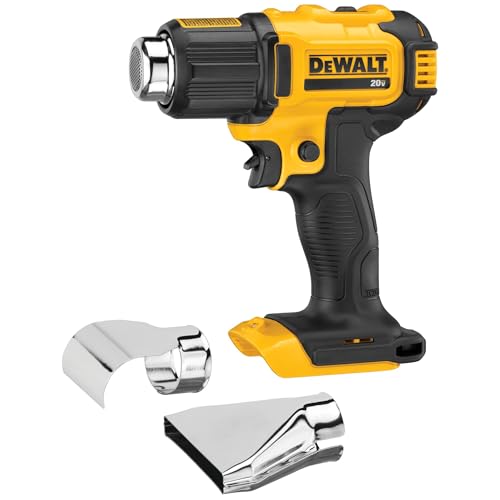
Begin by gathering the necessary tools: a heat gun, putty knife, adhesive remover, and safety goggles. These items will facilitate the task ahead and ensure a smoother process.
It’s important to apply heat evenly across the surface to loosen the adhesive. Hold the heat gun a few inches away to avoid damage. Once the surface becomes pliable, carefully slide the putty knife underneath the edges, lifting gently to peel away the covering.


If any residue remains, use a suitable adhesive remover to tackle those stubborn spots. Apply the solution, wait for a few minutes, then scrape gently to avoid harming the underlying material. Always test in an inconspicuous area first to ensure compatibility.
After completion, clean the surface thoroughly to prepare it for any new finishing option you might have in mind. Proper preparation makes the next steps far easier and more effective.
Removing the Surface Coating
Apply heat using a heat gun or hairdryer to soften the surface layer. This makes it easier to lift. Focus on one section at a time, moving the heat source back and forth. Wear gloves to protect your hands from the heat.
Once heated, gently insert a putty knife under the edge. Slowly pry it up, being cautious not to damage the underlying material. Maintain a consistent angle to avoid chipping.
If the adhesive is stubborn, use a solvent such as acetone or adhesive remover. Dampen a cloth and press it against the sticky area. Allow it to sit for a few minutes before scraping again. Keep the area well-ventilated to minimize inhalation of fumes.
For intricate shapes or decorative edges, consider using a utility knife for precision. Score the edges carefully, ensuring not to cut too deep. Then, apply heat or solvent as needed.
Once the entire surface is stripped, clean the area with rubbing alcohol to eliminate residue. This step ensures a clean base for any future finishes or treatments.
Assessing the Condition of the Laminate
Before any action is taken, it’s vital to assess how damaged or worn the surface is. Scrutinize for peeling edges, cracked sections, or discoloration. This evaluation helps in determining the difficulty of the task ahead and the methods to be implemented.
Visual Inspection
- Look for loose areas that may be starting to detach.
- Identify spots that have deep scratches or stains that could affect the removal process.
- Examine the corners and edges, as these areas are more prone to degradation.
Functional Testing
- Gently press on different sections to check for stability.
- Test the adhesion by attempting to lift a corner gently, using just your fingers.
- If possible, tap lightly with a non-abrasive tool to hear any hollow sounds indicating separation.
Documenting the condition at this stage allows for a clearer plan of action. Depending on the findings, I can decide if I need specialized tools or if simple techniques will suffice for the project ahead.
Choosing the Right Tools for Removal
Prioritize a high-quality utility knife. It allows precise cuts along the edges, making it easier to lift the surface without damaging the underlying material.
A pry bar is indispensable for tackling stubborn areas. Look for a slim model that can easily slip under the veneer and provide leverage for lifting.
Invest in a heat gun if the adhesive is particularly strong. Carefully applying heat softens the glue, facilitating the lifting process. Always keep it moving to avoid damaging the base material.
A putty knife is versatile for scraping away remnants and adhesive. Choose a variety with a flexible blade for better maneuverability in tight spaces.
Mandate safety gear: goggles and gloves protect against debris and sharp remnants. Masking tape also can help minimize damage to adjacent surfaces while working.
Lastly, a sturdy workbench or table is beneficial. It ensures stability as I work and provides ample space for handling materials, enhancing overall efficiency.
Preparing the Workspace for Safe Removal
Before beginning the extraction process, I ensure the area is well-ventilated. Opening windows or using a fan helps clear out any potentially harmful fumes.
I use a drop cloth or protective plastic sheeting to cover floors and nearby surfaces, shielding them from debris and scratches during the task.
I gather all necessary tools within arm’s reach, including scrapers, solvents, and protective gear. Wearing gloves, a mask, and safety goggles is non-negotiable to protect my skin, lungs, and eyes.
I remove any nearby items that could obstruct my movement or get damaged, creating a spacious work area. This avoids accidents and facilitates easy access to the furniture being treated.
Lastly, I have a trash bag ready for disposal of removed materials and debris, keeping the workspace organized and efficient throughout the process.
Step-by-Step Guide to Peel Off Laminate
I recommend starting with a careful assessment of the edges to determine how tightly the material is adhered. Then, follow these steps for effective detachment.
1. Prepare the Edges
- Use a utility knife to gently score along the seams where the surface meets the underlying structure. This reduces the risk of chipping the base.
- Identify any areas with loose sections which may be easier to begin peeling.
2. Begin Peeling
- Starting from a scored edge, use a flat pry tool to lift the corner away from the surface. Work gradually along the length, taking care not to apply too much force.
- If resistance is met, apply heat to the area using a heat gun or hairdryer. Hold it a few inches away to soften the adhesive.
- Once the adhesive yields, continue to peel off slowly, maintaining tension on the material to avoid breakage.
3. Clean Up
- Inspect the surface for any leftover adhesive residues. A solvent like rubbing alcohol or adhesive remover can be applied if necessary.
- Use a putty scraper to gently remove any stubborn spots without damaging the underlying surface.
- Finally, wipe down the entire area with a clean cloth to ensure it’s smooth and ready for the next finish.
Dealing with Adhesive Residue After Removal
Begin with a thorough inspection of the surface for any remaining sticky substances. A mixture of warm soapy water and a soft cloth often proves effective for gentle cleaning. Dampen the cloth, wring it out to avoid excess moisture, and gently wipe the area.
Using Solvents
If residue persists, consider applying a safe adhesive remover or isopropyl alcohol. Apply a small amount directly onto the residue and allow it to penetrate for a few minutes. Gently scrape with a plastic scraper to avoid damaging the underlying surface. Repeat the process, if necessary, until the area is clean.
Final Touches
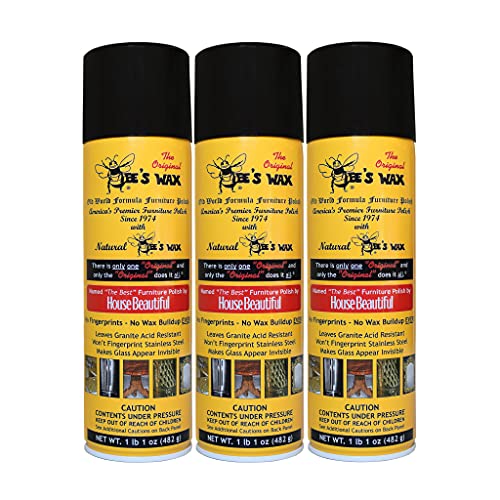
After all residues are eliminated, clean the entire surface with a damp cloth to remove any leftover solvents. Once dry, you may want to apply a furniture polish or surface conditioner to restore shine and protect the finish. This final step enhances the appearance and longevity of the surface, ensuring it looks its best.
Repairing Furniture Damage from Laminate Removal
I recommend first assessing any damage after tearing off the surface layer. Be on the lookout for scratches, dents, or gouges in the underlying material. If the substrate is wood, it might require sanding to smooth out rough patches or inconsistencies.
For minor scratches, a wood filler that matches the color of the underlying material works effectively. Apply it carefully with a putty knife and let it dry. After curing, sand the area lightly until it blends seamlessly with the surrounding surface.
If deeper gouges are present, you might consider replacing a section of the substrate. Cut a piece of new material slightly larger than the damaged area and insert it, securing it with adhesive. Once set, sand the edges to achieve a flush finish.
For surfaces that have lost their finish, reapplying a protective layer is crucial. Choose a varnish or polyurethane based on the original finish of the item. Apply thin, even coats to avoid drips. Multiple applications enhance durability and appearance.
In the case of particleboard or MDF substrates, use a sealant to prevent moisture damage. After completing repairs, let everything cure properly before using the piece again.
Below is a summarized table of materials and tools needed for repairs:
| Tool/Material | Purpose |
|---|---|
| Wood Filler | Repair scratches and minor damages |
| Putty Knife | Apply and smooth out filler |
| Sanding Block | Smooth repaired areas |
| Adhesive | Secure new substrate pieces |
| Varnish or Polyurethane | Provide a protective finish |
| Sealant | Protect against moisture for particleboard or MDF |
This process requires patience and attention to detail. Taking the time to address each issue ensures the piece regains its integrity and appeal.
Finishing: Options for Refinishing or Replacing Laminate
First, consider refinishing for a cost-effective upgrade. Use veneer or high-quality paint designed for furniture to achieve a fresh look. Ensure proper surface preparation by sanding and cleaning to allow for better adhesion.
If opting for replacement, select materials that align with existing decor. For a seamless finish, choose a matching or complementary color. Prioritize durability and ease of maintenance in your material choice.
Another alternative involves applying contact paper or adhesive films, which come in various designs, providing a quick and visually appealing solution. Always ensure the surface beneath is clean and smooth before application.
Consult with specialists for custom solutions, particularly if dealing with intricate shapes or designs. They can offer tailored finishes that enhance character and sophistication.
Finally, assess the condition of the underlying structure. If damage is extensive, rebuilding or using more robust materials may be necessary for longevity and aesthetic appeal.