
 Caleb Turner

Begin with selecting durable materials such as treated wood or weather-resistant metals. Pressure-treated lumber offers longevity and can withstand the elements beautifully. For a more refined look, consider cedar or redwood, both of which resist decay.
Gather essential tools including a saw, drill, and measuring tape. Accurate measurements will ensure all pieces fit together seamlessly. Sketching a design or using a blueprint can serve as a valuable reference during construction.
Prior to assembly, ensure surfaces are sanded for a smooth finish. Proper treatment with sealants can significantly extend the life of the pieces. This step is critical in preventing moisture penetration and maintaining aesthetics.
After cutting the pieces according to your plans, begin assembly starting with the frame. Using screws rather than nails can enhance stability. Once the frame is secure, add support beams to ensure the structure withstands weight and regular use.
Decorate with cushions and throws that complement your outside space. Fabrics designed for outdoor use are resistant to fading and mildew, creating a cozy atmosphere without sacrificing durability. Personal touches can elevate the overall appearance of the seating area.


Choosing the Right Materials for Durability
Selecting robust materials is crucial for the longevity of outdoor seating and tables. Here are my top choices:
- Teak: Renowned for its resistance to moisture and decay. The natural oils found in teak protect against pests and environmental damage, making it a prime option.
- Cedar: Lightweight yet durable, cedar wood also possesses natural resistance to rot. A beautiful aroma adds to its appeal, enhancing any space.
- Metal: Aluminum and stainless steel offer excellent strength. These metals are often treated to resist rust, making them ideal for various weather conditions.
- Composite materials: Combinations of wood fibers and recycled plastic provide a low-maintenance, durable solution. They resist fading and are often more environmentally friendly.
- Resin wicker: For a classic look, synthetic wicker is UV resistant and easily cleaned. It retains shape and color, providing elegance and functionality.
Consider the climate and conditions your pieces will face. For instance, sunny areas benefit from UV-protected materials, while humid locations require moisture-resistant options. Always inspect material grades and treatments to ensure they meet durability standards.
Lastly, think about maintenance. Some materials, like teak, may need periodic oiling, while others, like metal and composites, require less care. Choose what aligns with your lifestyle.
Essential Tools for DIY Garden Seating
To construct durable outdoor seating, I rely on a few fundamental tools. A quality circular saw is indispensable for precise cuts, ensuring materials fit together seamlessly. For smaller projects, a jigsaw offers versatility, especially when navigating curves or intricate designs.
Assembly Tools
Wood screws are my choice for sturdy connections, while a power drill significantly speeds up assembly. A clamp helps hold pieces in place while adjusting components, preventing movement during fastening. For final touches, a hand sander or orbital sander smooths surfaces, enhancing both comfort and aesthetics.
Measurement and Safety
Accurate measurements are key. A tape measure and square are essentials for ensuring symmetry in construction. Including safety goggles and gloves protects against debris and sharp edges, making the experience safer and more enjoyable. The right tools lay the foundation for a successful project.
Step-by-Step Process for Building a Garden Bench
Gather two long planks for the seat, measuring approximately 1.5 meters each, and four shorter pieces for the legs, around 90 cm long. Choose durable wood, such as cedar or redwood, known for their resistance to decay.
Prepare the seat frames by cutting the shorter planks into three equal pieces, about 50 cm each. These will connect the two long seat pieces, ensuring stability. Use wood glue along with screws to attach them securely.
For leg construction, create two triangular braces for each leg. Cut the braces at a 45-degree angle to provide better weight distribution. Attach them to the legs using screws, securing each brace firmly.
Sand all surfaces to eliminate rough edges and splinters, ensuring comfort during use. Follow up by applying a wood preservative to enhance the longevity and withstand weather conditions.
Assemble the bench by securing the legs to the underneath of the seat frame. Position each leg at the corners and reinforce connections with screws. Check for stability and adjust as necessary.
Finish with a coat of outdoor paint or varnish, providing a personal touch while enhancing protection from the elements. Allow sufficient drying time before placing the bench in the desired outdoor location.
Designing a Stylish Outdoor Table
Incorporate a mix of functionality and aesthetics by creating a table that suits your outdoor space. Start with a size appropriate for your area, ensuring it accommodates your seating while allowing space for movement. Opt for a round or square shape based on the arrangement of other elements; round tables facilitate conversation and social interactions, while square ones typically fit better in tight spaces.
Frame the structure using sturdy materials such as treated wood or metal, considering their resistance to the elements. Choose a tabletop finish that resonates with the surrounding decor–whether it’s a rustic wood grain or a polished stone surface, it should harmonize with your other pieces.
Incorporate design details like lower shelves for storage of outdoor essentials or built-in cup holders for convenience. If using wood, sand the surfaces smoothly to prevent splinters and apply a weatherproof sealant to prolong its life.
Don’t shy away from personal touches–paint the table in colors that reflect your style or use stencils for patterns. Consider adding LED lights underneath the tabletop for evenings when illumination is needed. This fusion of practicality and personal flair will create a striking centerpiece for gatherings.
Finally, ensure the assembly process is straightforward; pre-drill holes to prevent splitting and use corrosion-resistant hardware. A well-designed outdoor table will not only enhance the beauty of the space but also provide comfort and usability for years to come.
Finishing Techniques for Weather Resistance
To ensure longevity for outdoor pieces, applying the right finishes is crucial. I recommend starting with high-quality sealants that provide excellent protection against moisture and UV rays.
Recommended Finishes
- Oil-Based Stains: These penetrate the wood deeply, enhancing its natural beauty while repelling water effectively.
- Marine Varnish: This offers exceptional durability and resistance to sun exposure, making it ideal for outdoor use.
- Water-Repellent Preservatives: These products help prevent mold and mildew, maintaining the integrity of the materials.
Application Tips
- Ensure surfaces are clean and dry before applying any finish.
- Use brushes or rollers specifically designed for the type of finish to achieve an even layer.
- Consider applying multiple coats; often, two or three coats enhance protection significantly.
- Allow ample drying time between coats to maximize adherence and effectiveness.
Regular maintenance, including recoating as needed, will greatly extend the lifespan of these creations. A cool, dry environment during application can further improve results, so plan accordingly.
Incorporating Storage Solutions into Furniture
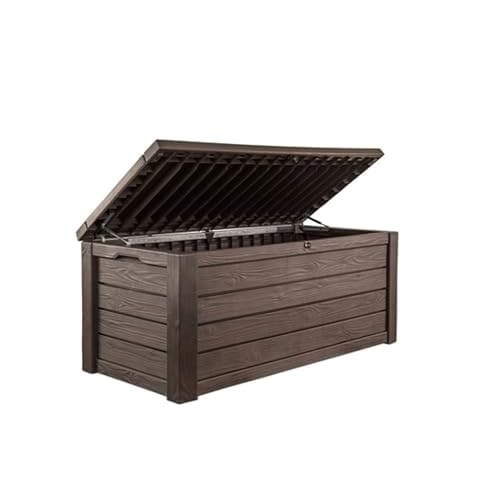
Consider integrating compartments into the construction of your seating. A bench with a hollow interior provides ample space for cushions or tools, keeping them out of sight while ensuring easy access. Use plywood or reclaimed lumber for cost-effective interior frames.
For tabletops, including hidden drawers can offer discreet storage for dining essentials. Ensure the drawers slide smoothly by using durable metal glides. This functionality enhances both the aesthetic and utility of outdoor pieces.
Here’s a simple table structure to illustrate various storage ideas:
| Furniture Type | Storage Solution | Materials |
|---|---|---|
| Bench | Hollow interior | Plywood, wooden slats |
| Table | Hidden drawers | Hardwood, metal glides |
| Ottoman | Lift-top storage | Upholstered plywood |
| Planter bench | Secret compartment for tools | Recycled wood, plastic liners |
When designing a seat or table, prioritize easy access without sacrificing style. Incorporate sliding lids or angled tops for a seamless look. For safety, ensure all edges are smooth and that mechanisms used for storage open smoothly to avoid injury.
Remember to account for weatherproofing; utilizing waterproof materials can extend the life of hidden compartments. Seal any exposed wood inside compartments to resist moisture damage.
Upcycling Ideas for Unique Garden Pieces
Transform old pallets into rustic seating by sanding down rough edges and applying a weather-resistant finish. Stack them to create a multi-level lounge area or combine them with cushions for comfort.
Repurpose wooden crates as side tables or planters. With a little paint and weatherproof sealant, these can add charm and organization to outdoor spaces.
Old metal buckets can serve as unique planters or lighting fixtures. Simply paint or decorate them to match the landscape, adding drainage holes for greenery. Hang them with hooks for a whimsical touch.
Use wine barrels for tables or seating. Cut them in half for benches and add cushions or use the top as a rustic table. These pieces offer an interesting focal point while being functional.
A vintage ladder can be transformed into a display for plants, shoes, or garden tools. Lean it against a wall and hang small pots before securing them in place.
Broken outdoor furniture can find new life. Replace the tabletop of a damaged dining set with reclaimed wood or mosaic tiles for a distinctive look.
Old tires can serve as innovative planters or seating. Stack and secure them with a bit of creativity, then fill with soil and flowers for an eye-catching feature.
Take advantage of glass bottles by creating outdoor lanterns. Fill them with fairy lights or candles and hang to add ambiance to evening gatherings.
By embracing these ideas, I not only reduce waste but also add character and uniqueness to outdoor areas. It’s a rewarding eco-friendly approach to enhancing outdoor experiences.
Maintaining and Caring for Your Homemade Furniture
Regular cleaning with mild soap and water prevents dirt buildup. Use a soft cloth to avoid scratches.
For wooden creations, applying a high-quality wood preservative every year enhances longevity. Make sure to sand the surface lightly before reapplication for better adhesion.
Metal pieces benefit from periodic inspections for rust. A clear protective coating can inhibit corrosion. If rust becomes visible, sand it down and treat the area with rust-inhibiting paint.
In instances of outdoor usage, consider using furniture covers during the off-season to shield from harsh elements.
Check joints and connections routinely to ensure stability. Tighten screws and bolts as needed to maintain structural integrity.
For items designed with a cushion or upholstery, ensure the fabric is UV-resistant and clean regularly to avoid fading. Use a fabric protector for additional safeguarding against stains.
In case of minor scratches or dents in wooden surfaces, rubbing a matching wood filler or wax can help restore appearance.
Always follow manufacturer instructions for any pre-applied finishes to avoid voiding warranties or causing damage.
| Material | Care Tip |
|---|---|
| Wood | Use wood preservative annually |
| Metal | Inspect for rust, touch up with rust-inhibiting paint |
| Fabric | Clean regularly, use UV protection |
Implementing these practices safeguards my creations and enhances their lifespan, letting them remain functional and appealing for years to come.


