
 Caleb Turner

Begin with comprehensive cleaning. I always use a mix of warm water and mild dish soap to remove any dirt or grease. A microfiber cloth works wonders for this task, as it traps dust effectively without scratching the surface.
Next, tackle any damaged spots. I recommend applying wood filler to fill in scratches or dents. Let it dry completely, then sand the area with fine-grit sandpaper until smooth, ensuring a seamless surface for the next steps.


For a fresh look, select a suitable paint or stain. I prefer water-based products for easy cleanup and low odor. Apply with a high-quality brush or foam applicator, starting with thin coats. Allow each layer to dry thoroughly before applying the next one for a rich finish without streaks.
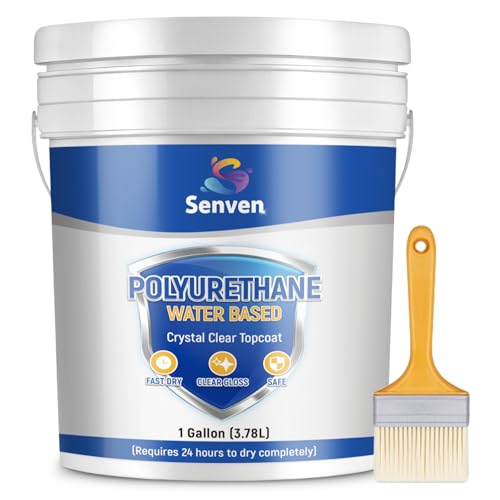
Finally, seal the surface for longevity. A top coat, such as polyurethane or varnish, provides protection against wear and tear. I usually apply at least two coats, sanding lightly between applications for a polished look. This process rejuvenates my engineered wood items, making them look as good as new.
Refinishing Techniques for Engineered Wood Pieces
Begin by removing any hardware, such as knobs or hinges, to avoid damage during the process. Clean the surface thoroughly with a damp cloth and mild soap to eliminate dirt and grease, allowing it to dry completely.
Use a fine-grit sandpaper, preferably between 120 to 220 grit, to lightly sand the surface. This step helps the new finish adhere better. Be cautious not to sand too aggressively; a gentle touch works best to prevent damage to the surface.
Select a primer designed for laminate or engineered surfaces. Apply it evenly using a high-quality brush or roller, ensuring full coverage. Allow the primer to dry as per the manufacturer’s instructions.
Once the primer has dried, choose a topcoat that suits your desired finish. Options include paints, stains, or sealants. If opting for paint, a spray option can provide a smooth, even coat. For stains, be sure to wipe off any excess to avoid blotchiness.
Apply the chosen finish in thin layers, allowing sufficient drying time between applications. This approach not only improves durability but also enhances the overall appearance. After the final coat of finish cures, reinstall the hardware.
To preserve the newly refreshed surface, consider using coasters or protective pads when placing items on the surface.
Assessing the Condition of Your Particle Board Furniture
Examine the surfaces closely for scratches, dents, or discoloration. Lightly run your fingers over the material to detect rough patches or peeling finishes.
Checking Structural Integrity
Focus on joints and connections. Test for wobbling or instability in the design. If sections feel loose or make noise, they may require repairs or additional reinforcement.
Identifying Water Damage
Look for swollen areas or dark spots that could indicate moisture exposure. Inspect edges and corners where damage is more likely to occur. If there are signs of softening, it may be necessary to replace affected sections before proceeding with enhancement.
Choosing the Right Materials for Refinishing
Select quality paint, primer, and sealant. Opt for water-based acrylic latex paints for a durable finish and easy clean-up. This type of paint offers good adhesion and flexibility, making it suitable for treated surfaces.
Recommended Primers
Using an appropriate primer is key. Look for a water-based primer designed for non-porous surfaces. Shellac-based primers also perform well, helping with stain-blocking and promoting adhesion. Be sure to check drying times to align with your project timeline.
Sealants and Finishes
For a lasting protective layer, consider polyurethane or acrylic clear coats. They provide a tough finish without yellowing, ensuring color retention over time. Choose a water-based option for ease of application and lower odor.
| Material Type | Features | Best Use |
|---|---|---|
| Paint | Durable, flexible, easy clean-up | Coloring surfaces |
| Primer | Adhesion, stain-blocking | Preparation for painting |
| Sealant | Protective, clear finish | Final protective coat |
Gathering these materials in advance will streamline the restoration process and yield satisfying results. Be careful to choose products compatible with each other for optimal performance.
Preparing the Surface for Refinishing
Begin with cleaning the surface meticulously. Use a soft cloth and a mild detergent solution to wipe away dust, grime, or grease. Rinse with water and allow it to dry completely.
Next, inspect the surface for any signs of damage such as chips or scratches. For small imperfections, sand the area lightly with fine-grit sandpaper (around 220 grit). This step improves adhesion of the new finish while smoothing out the texture.
- Fill larger dents or scratches with wood filler. Apply in layers if necessary, allowing each to cure before adding more.
- After the filler has dried, sand it down to achieve a level surface, ensuring it flush with the surrounding material.
Once repairs are complete, it’s important to remove any dust created from sanding. A vacuum or tack cloth will suffice. This prevents particles from interfering with the new coating.
Apply a primer designed for the specific material. This not only creates a better surface for the finish but also assists in color uniformity. Make sure to follow the manufacturer’s instructions regarding application and drying times.
Finally, the surface should feel smooth and clean. Inspect once more before proceeding to the application of the new color or protective finish. This thorough preparation is pivotal for achieving a desirable outcome.
Applying Paint or Stain to Particle Board
I recommend using a high-quality primer specifically designed for laminate surfaces before applying any color or finish. This ensures proper adhesion and creates a base that enhances the final appearance. After the primer has dried, choose between paint or stain based on the desired look. For a solid color, opt for a matte or satin-finish acrylic or latex paint, which offers durability and ease of cleaning.
If you prefer a stained look, select a wood stain that suits your style; gel stains work particularly well as they sit on top of the surface instead of soaking in, preventing damage and ensuring an even finish. Always test the stain on a hidden area first to confirm the desired shade.
Apply paint or stain using a smooth roller or brush, and be mindful of the grain direction. Thin layers improve the final outcome, so allow drying between coats and lightly sand between them to achieve a smoother finish. For paint, two to three layers are often necessary for complete coverage, while for stains, one to two coats typically suffice, depending on the desired intensity.
Finish with a clear sealer or topcoat to protect the surface from scratches and moisture. A polyurethane finish gives added durability. Let the final coat cure according to the manufacturer’s instructions before using the item.
Sealing and Protecting the Finished Surface
After completing the application, my priority shifts to sealing and protecting the newly coated surface. A high-quality sealant or topcoat is vital to ensure durability and resistance to wear. I opt for a water-based polyurethane for its low odor and ease of use. Applying it with a clean, soft brush reduces the risk of bubbles or streaks.
I start by gently sanding the surface with fine-grit sandpaper to promote adhesion. Then, I clean any dust with a damp cloth, allowing it to dry thoroughly. I apply the sealant in thin layers, allowing each to dry completely before lightly sanding again. This process creates a smooth, resilient finish.
For optimal protection, I typically recommend at least two coats. After the final coat, I wait a few days before placing items back on the surface. This drying period helps the sealant cure fully, enhancing its effectiveness against scratches and stains.
Regular maintenance is necessary. I wipe down the surface with a damp cloth and avoid harsh chemicals that could damage the seal. If I notice wear over time, I can easily reapply a fresh coat of sealant to restore its protective qualities.
Tips for Maintaining Your Refurnished Furniture
Regular cleaning with a soft, damp cloth is essential. Avoid using abrasive materials that could scratch the new finish.
Protecting from Damage
Use coasters under drinks and place mats under hot dishes to prevent heat and moisture damage. Consider applying felt pads underneath items placed on surfaces to avoid scratches.
Humidity Control
Maintain a stable indoor humidity level. Excess moisture or dryness can warp materials, leading to deterioration of your revitalized surfaces. Using a dehumidifier or humidifier can help keep conditions stable.
Reapply protective seals or finishes as necessary. Regularly inspect the surface for signs of wear and address them promptly to extend the life of the renewed piece.
Place items strategically to avoid overcrowding surfaces, which can lead to unintentional damage. Keep heavier objects on lower shelves to enhance stability.
Routine Care
Dust surfaces weekly to prevent buildup. For a polished look, use a suitable furniture polish occasionally, but apply sparingly to avoid residue. Test any product on a small area to ensure compatibility with the finish.
By following these recommendations, I ensure that my revitalized pieces remain beautiful and functional for years to come.
FAQ:
What materials do I need to refinish particle board furniture?
To refinish particle board furniture, you will need the following materials: sandpaper (medium and fine grit), a clean cloth, primer suitable for particle board, paint or stain, a sealant or topcoat for protection, and paintbrushes or a roller. Additionally, having a drop cloth and painter’s tape is advisable to protect your work area and achieve clean edges.
Can I use regular paint on particle board furniture, or do I need special products?
While you can technically use regular paint on particle board, it is better to use paints that are specifically formulated for furniture or those that work well with primed surfaces. These products will adhere better and provide a more durable finish. A primer is highly recommended to prepare the surface, as particle board is porous and can absorb paint unevenly without it.
How do I properly prepare the furniture for refinishing?
First, clean the furniture thoroughly to remove any dust, grease, or residue. Next, use medium grit sandpaper to lightly sand the surface; this helps to create a better bonding surface for your primer. After sanding, wipe down the furniture with a damp cloth to remove any dust particles. Once it’s dry, apply a coat of primer and allow it to dry completely before proceeding with paint or stain application.
What are the best practices for applying paint or stain to particle board?
For best results when applying paint or stain, use a high-quality brush or roller to ensure an even coat. Start with a thin layer, applying in long, even strokes. If you are staining, consider using a clean cloth to apply the product, working it into the surface. Allow the first coat to dry completely before assessing whether a second coat is needed. When fully dry, apply a sealant to protect the finish and enhance durability.


