
 Caleb Turner
Applying a high-quality topcoat can significantly enhance the resilience of your painted surfaces. I recommend using a water-based polyurethane sealant, which offers robust durability without altering the finish. It’s important to apply multiple thin layers, allowing ample drying time in-between for best results.
Coasters and placemats should become your go-to items to prevent marks and damage. By introducing these protective layers, I’ve noticed a substantial decrease in wear and tear, particularly in high-traffic areas where items frequently rest. They don’t just protect; they also add a decorative touch.
Regular maintenance is another key aspect. A soft microfiber cloth used for dusting not only keeps the surface clean but also helps avoid gritty particles that can cause abrasions. Occasionally, a gentle furniture polish or wax can rejuvenate the surface while offering additional shielding. I’ve found that a simple, routine clean goes a long way in preserving the quality of my surfaces.
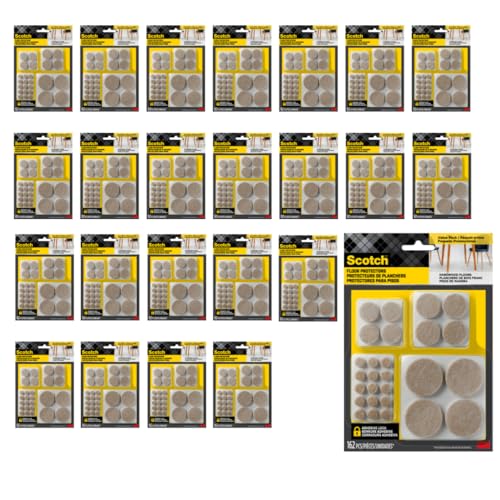
Incorporating felt pads under objects can also minimize risks of nicks and scuffs. Implementing this small change has helped me maintain the integrity of my designs while adding an element of safety to my décor.

Ways to Shield Your Decorated Surfaces
Consider applying a high-quality clear coat to your surfaces. This layer acts as a barrier against daily wear while enhancing the sheen of the color beneath. Polyurethane or acrylic sealants are great choices, offering durability and ease of application.
Regular Maintenance Tips
Utilizing coasters under drinks and placemats during meals can greatly reduce the risk of unwanted marks. Be sure to select those made of softer materials to avoid abrasions.
Storage Solutions
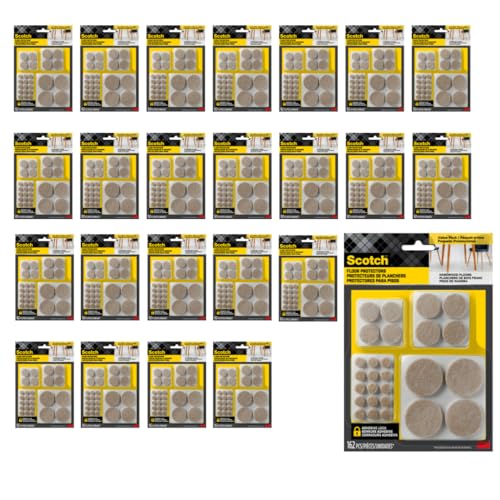
Use storage options like felt pads or silicone mats on shelves where items may slide around. This minimizes the likelihood of knocks and helps keep items secure.
| Method | Description |
|---|---|
| Clear Coating | Applies a protective layer that guards against damage. |
| Coasters | Prevents moisture and heat from affecting the surface. |
| Felt Pads | Soft barriers reduce friction and prevent damage during movement. |
Choosing the Right Protective Finish
Opt for water-based polyurethane for a clear and durable layer. It dries quickly and offers excellent resistance against damage, making it a popular choice for many projects.
Consider Oil-Based Options
If you prefer a warm, amber hue, oil-based varnish can enhance the appearance of your piece. This type of finish requires longer drying time but provides a robust shield against wear.
Explore Paste Waxes
Using paste wax as a final layer adds a soft luster and can be a more natural option. Be aware that it may require more frequent reapplication compared to synthetic finishes, but it offers easy maintenance and repair.
Applying a Clear Coat for Extra Durability
I recommend using a clear coat to enhance the longevity of your surface. This protective layer provides an additional barrier against wear and tear. Here are some key points to consider:
- Choose the Right Product: Select a clear topcoat suitable for your specific base. Options include polyurethane, acrylic, and varnish. Each has distinct properties tailored for different finishes.
- Preparation Matters: Ensure the underlying layer is fully cured before application. Sand lightly to create a smooth surface and improve adhesion.
- Application Techniques: Use a high-quality brush or spray for an even layer. Apply thin coats to prevent drips and allow for proper drying times between each layer.
- Number of Coats: Generally, two to three coats provide optimal protection. Follow the manufacturer’s guidance for drying times to ensure each coat adheres properly.
- Finish Type: Decide on a matte, satin, or glossy finish based on your aesthetic preference and functional needs. Glossy finishes offer a higher degree of sheen and reflectivity.
- Maintenance: Clean the coated surface with gentle cleaners to maintain its appearance. Avoid abrasive materials that can dull the finish.
Timing Your Application
When applying the clear layer, choose a controlled environment with moderate temperature and humidity. This minimizes the risk of imperfection and improves the overall outcome.
Final Inspection
After the final coat has dried completely, inspect for any imperfections. Light sanding followed by touch-ups can rectify minor issues, ensuring the surface looks polished and well-maintained.
Using Felt Pads on Furniture Feet
Felt pads are an excellent choice for minimizing damage to surfaces beneath items. I recommend selecting high-quality adhesive felt pads and applying them to the feet of chairs, tables, and other pieces. This simple action greatly reduces the risk of scratches and dents while also enabling smooth movement.
Choosing the Right Type
Opt for thicker felt pads, as they provide more cushioning and durability. Ensure they have a strong adhesive backing to withstand daily wear and tear. If your item will be moved frequently, consider felt pads designed for sliding, as they make rearranging hassle-free without causing harm.
Installation Tips
Before applying, clean the feet of the item to ensure the adhesive adheres properly. Cut the pads to size if necessary, and press them firmly onto the surface, allowing the adhesive to set as recommended by the manufacturer. Regularly inspect the pads for wear and replace them as needed to maintain effectiveness.
Avoiding Harsh Cleaners and Chemicals
Using gentle, non-toxic cleaning agents is crucial for maintaining finishes. I recommend opting for products specifically designed for delicate surfaces. Look for all-natural or biodegradable formulas that won’t erode the finish over time.
When cleaning, dilute mild soap in warm water, ensuring it’s free from ammonia and bleach. Always conduct a spot test in an inconspicuous area to confirm no adverse reactions occur. Microfiber cloths are ideal for wiping surfaces, as they won’t scratch the coating.
For stubborn stains, create a paste using baking soda and water. Apply it gently with a soft cloth, then rinse thoroughly with clean water. Avoid scrubbing and be mindful of any residual moisture, as it could affect the integrity of the surface.
Regular maintenance with appropriate products extends the life of your finishes. Incorporate these practices into your routine, and you’ll preserve the beauty of your pieces effectively.
Regular Maintenance and Touch-ups
Perform periodic inspections to identify areas needing attention. I suggest checking surfaces for signs of wear or damage every few months. Addressing minor imperfections early can prevent them from worsening over time.
Cleaning Routine
Utilize a soft cloth and a mild cleanser for routine cleaning. I recommend avoiding abrasive materials that can harm the finish. Regularly dusting surfaces can also minimize the risk of scratches caused by dirt accumulation.
Touch-Up Process
Keep a small bottle of touch-up paint handy for small dings or scratches. If you notice a spot that requires repair, apply the paint carefully with a fine brush, blending it into the surrounding area. Allow it to dry fully, then consider a light coat of wax or sealant for added protection.
By maintaining a consistent care routine and addressing minor flaws promptly, I find it significantly enhances the longevity of surfaces.
Proper Placement and Usage Tips
Ensure stability by positioning items away from high-traffic areas. Avoid placing heavy objects on surfaces prone to shifting, as they can cause unwanted pressure and potential damage over time.
Strategic Arrangements
Arranging accessories thoughtfully can enhance protection. Utilize trays or coasters for drinks to prevent moisture exposure. Keep decorative pieces within safe zones, reducing the risk of accidental knocks.
Mindful Interaction
Practice gentle handling. Always lift items instead of dragging them across the surface. Encourage family members and guests to respect boundaries by communicating about the fragility of specific pieces. Create guidelines to maintain integrity during gatherings.
Regularly assess surroundings to adjust placements based on daily use and activities. Be proactive in relocating or reinforcing vulnerable pieces as needed.


