
 Caleb Turner
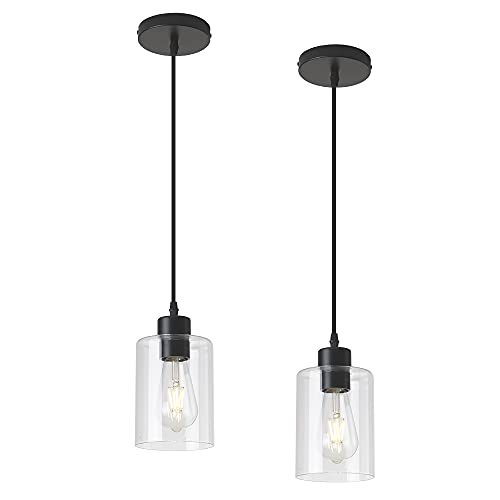
Begin with a focal point that draws the eye, like a fireplace or an artwork. This will anchor the arrangement and dictate the flow of the surrounding pieces.
Group seating together to encourage conversation. Position chairs and sofas to create an inviting atmosphere, ensuring there’s enough space to walk through without obstruction.
Incorporate multi-functional pieces such as ottomans or coffee tables with storage. These items can enhance utility while maintaining an uncluttered look.
Utilize rugs to define different areas, like a cozy reading nook or a dining spot, which helps to visually separate the spaces without the need for walls.


Lastly, consider traffic patterns. Ensure that movement throughout the area remains smooth and unobstructed by arranging items thoughtfully. This approach contributes to a harmonious and functional living environment.
Optimize Furniture Arrangement in a Spacious Area
To achieve a balanced atmosphere, designate specific zones within the expanse. I recommend using rugs to delineate different areas, such as a sitting corner or dining space, creating visual boundaries. This approach encourages each section to have its character while maintaining an open feel.
Scale and Proportion
Selecting pieces that suit the dimensions of the space is vital. Oversized items can overwhelm, while too-small pieces may feel lost. I always measure the area and the selected pieces, ensuring they harmonize with each other.
Flow and Accessibility
Maintaining clear pathways is critical for ease of movement. I ensure that there’s enough room between arrangements for comfortable walking, ideally at least two to three feet. This promotes coherence and functionality without sacrificing the airy ambiance.
Identify Functional Zones within the Space
Begin by recognizing distinct areas tailored for specific activities. Separate zones could include a relaxation corner, a dining area, and a workspace. This method enhances utility and flow within the environment.
Clearly define the relaxation area with comfortable seating, possibly facing a focal point such as a television or a fireplace. Use rugs to delineate this zone, adding warmth and texture.
A dining section should accommodate a table that suits the number of users. Consider positioning it closer to the kitchen for convenience. Adequate lighting is essential; fixtures or pendant lights above the table can enhance the dining experience.
For a workspace, select a spot that minimizes distractions. A dedicated desk positioned against a wall or near a window can provide sufficient natural light. Ensure there’s enough room for office supplies and personal items.
Layering these zones using furniture arrangement and decorative elements, such as plants or art pieces, helps maintain a cohesive look while affirming each area’s purpose.
Pay attention to transition areas that connect these zones. They should remain open to encourage movement while preventing clutter. Use furniture arrangement to guide visitors naturally from one space to another.
Choose a Focal Point for Each Area
Identify a distinctive feature in each segment I want to highlight. This could be a striking piece of art, an elegant fireplace, or a well-designed seating arrangement. By having this element, I can naturally guide attention and create an atmosphere that reflects my vision.
Position seating to face this focal point. For instance, I arrange chairs or sofas to encourage interaction while ensuring that the primary attraction remains the center of attention. This arrangement enhances both functionality and aesthetic appeal.
Incorporate lighting to accentuate the chosen highlight. I might use floor lamps or spotlights to draw focus and create a warm ambiance around it. This not only enhances the highlight but also enriches the overall setting.
Consider scale and proportion when selecting focal points. A large artwork might require expansive wall space and complementary decor, while a smaller feature could benefit from surrounding elements to elevate its presence. Balancing size with surrounding furnishings helps maintain cohesion.
Adjust the point of interest as needed, based on seasonal changes or personal preferences. I may rotate decor elements or switch out artwork to keep the area fresh and inviting. This flexibility keeps the environment dynamic, allowing for personal expression.
Utilize Area Rugs to Define Spaces
Choosing the right area rugs can significantly shape the character of different sections within a room. First, I recommend selecting rugs that complement the function of each specific area. For example, a soft, plush rug works wonders in a cozy reading nook, creating an inviting atmosphere, while a more durable, low-pile rug is perfect for high-traffic zones, such as dining areas.
When positioning rugs, make sure to place at least the front legs of the furniture on them. This helps to visually tie the pieces together and fosters a sense of unity, even in large, airy environments. Additionally, consider using contrasting colors or patterns to delineate various functions; for instance, a bold rug can draw attention to a playful living area, while a more neutral one may be suitable for a quieter, professional workspace.
Layering rugs can also add depth and interest. Using a smaller rug on top of a larger one can create an intentional focus, while still allowing the larger design to play its part in the overall aesthetic. Pay attention to the shapes as well; round rugs can soften hard edges and provide a counterbalance to angular furniture arrangements.
Ultimately, I focus on the size of the rug to maintain a coherent look across the spaces. Too small can feel disconnected, while too large can overwhelm. Measuring the area meticulously ensures a balanced and appealing layout. Using area rugs not only enhances the visual appeal but is a practical way to establish boundaries in multifunctional environments.
Opt for Multi-Functional Furniture Solutions
I recommend investing in pieces that serve more than one purpose. For example, a coffee table with storage underneath can reduce clutter while providing a sleek surface for beverages or books. Consider a sofa bed in the living area; this offers seating during the day and converts into a sleeping space for guests at night.
Incorporating Foldable Options
Look for foldable or collapsible items, such as dining tables and chairs. These can be expanded when needed and tucked away afterward, allowing for flexible use of space. A foldable desk can also provide a workspace without sacrificing room around it.
Investing in Smart Storage Solutions
Choose storage ottomans and benches to offer seating along with hidden compartments for blankets, games, or everyday items. This type of solution minimizes visual clutter, enhancing the room’s aesthetic while keeping essentials within reach.
Maintain Flow and Accessibility Between Zones
To create seamless transitions between different areas, prioritize clear pathways. I use at least 24 inches of space between sections to ensure movement is unimpeded. This layout promotes easy navigation while enhancing the overall experience of the environment.
Arrange larger pieces strategically, keeping them closer to walls. This method opens up the central space, allowing for more interaction. I often substitute bulky items for sleeker alternatives when necessary, maintaining a sense of openness.
Incorporate occasional small, removable accents to provide flexible seating and surfaces without overpowering the layout. Occasional tables or poufs can easily be moved, ensuring adaptability based on the moment’s requirements.
Lighting plays a key role in uniting separated sections. I install layered lighting solutions, such as floor lamps or wall sconces, to guide attention and enhance visibility in each zone. This trick helps link areas while maintaining their distinctiveness.
| Tip | Description |
|---|---|
| Clear Pathways | Ensure at least 24 inches of space between zones for smooth movement. |
| Strategic Arrangement | Position larger items closer to walls to open up central spaces. |
| Flexible Accents | Use movable pieces like poufs for adaptable seating options. |
| Layered Lighting | Install varied lighting to connect and define spaces. |
Integrating these strategies results in an inviting atmosphere where flow and accessibility enhance the experience, making it comfortable and functional for everyone.
Incorporate Vertical Elements for Visual Interest
Integrating vertical components enhances the spatial dynamics and adds depth to your environment. Consider the following actionable strategies:
- Use Tall Bookcases: These can draw the eye upward, making ceilings appear higher and providing ample storage.
- Incorporate Plants: Floor-to-ceiling greenery or tall planters can introduce natural elements while creating a refreshing focal point.
- Hang Art at Varying Heights: A gallery wall featuring artwork at different levels invites movement and engagement. Mix smaller pieces with larger frames to create intrigue.
Lighting Fixtures as Vertical Features
Strategically placed lighting can accentuate height:
- Stylish Pendant Lights: Hang these at varying heights over dining or seating areas to delineate zones and add character.
- Floor Lamps with Height: Use sleek, tall lamps to cast light upward, enhancing vertical lines and creating ambiance.
Architectural Features for Structure
Consider permanent elements that emphasize verticality:
- Vertical Beams or Columns: Faux or real architectural details can frame spaces, adding structural interest.
- Accent Walls: Utilize vertical paneling or wallpaper to create striking backgrounds that draw attention to height.
By focusing on vertical elements, I transform my spaces into visually stimulating environments that feel more expansive and engaging. Experimenting with these strategies can refresh the overall feel while maintaining functionality.
Consider Traffic Patterns and Movement
Establish clear pathways to facilitate movement throughout the space. Analyze the common routes and anticipated traffic flow between functional areas. I focus on creating at least 3-foot-wide walkways to ensure comfort and accessibility.
- Identify key paths: Determine where occupants will naturally walk and arrange items accordingly.
- Avoid barriers: Keep pathways unobstructed by large pieces or low furniture to promote smooth navigation.
- Position seating clusters: Arrange chairs and sofas to encourage conversation while maintaining open access to different zones.
I consider the purpose of each area when organizing pathways. A dining zone might require a wider clearance than a reading nook. Assess how individuals will move from one section to another, particularly in busy households.
- Test flow: Walk through the arrangement to replicate daily activities and identify potential congestion points.
- Adjust as needed: Be ready to rearrange elements if certain areas feel cramped or inconvenient.
Incorporating these principles will enhance overall functionality and ensure a harmonious environment where movement feels intuitive and seamless.
Personalize the Space with Accessories and Decor
Add personal touches through carefully selected accents and decorative items. Incorporate artwork that resonates with you; a gallery wall can serve as a captivating focal point while showcasing your style.
Select cushions and throws in varied textures and a color palette that complements your surroundings. These elements not only enhance comfort but also inject personality into the environment.
<p.Incorporate greenery with potted plants or small bouquets. Plants can provide a refreshing touch and improve air quality, while also softening hard surfaces.
<p.Use statement lighting fixtures such as pendant lamps or colorful floor lamps to create atmosphere and draw attention to particular zones. Lighting can transform the mood and clarity of each area.
<p.Display books, travel souvenirs, or family photos on shelves or coffee tables. These objects invite conversation and contribute warmth to an otherwise minimalist aesthetic.
<p.Embrace textiles like curtains or area rugs that reflect your chosen colors and themes. These additions not only enhance comfort but also unify diverse sections of the space.
<p.Employ mirrors to amplify natural light and create the illusion of more space. Strategically placed, they offer both functionality and visual interest.
<p.Finally, rotate seasonal decorations to keep the environment feeling fresh and welcoming. It keeps the setting dynamic and allows for continual personalization.
FAQ:
What are some effective ways to define areas in an open floor plan?
To define areas in an open floor plan, you can use rugs to anchor different spaces, such as a seating area or dining space. Furniture arrangement is also important; position sofas and chairs to create distinct conversation zones. Adding bookshelves or room dividers can visually separate areas without closing them off. Additionally, you can use lighting variations to enhance different areas. For instance, pendant lights over a dining table can signify that space while floor lamps create a cozy nook in the living area.
How can I arrange furniture to promote social interaction in an open floor plan?
To promote social interaction in an open floor plan, arrange seating in a way that encourages conversation. This often means positioning sofas and chairs facing each other, rather than against walls. A circular or L-shaped layout can make the space feel more inviting. Consider using a coffee table to connect seating areas, as it can act as a focal point for games or snacks during gatherings. Also, ensure that pathways between seating areas are clear, allowing easy movement and access. This setup encourages people to engage naturally, fostering a welcoming environment.
What should I consider when choosing furniture for an open floor plan?
When choosing furniture for an open floor plan, consider the scale and proportion of each piece in relation to the entire space. Opt for multi-functional furniture, like storage ottomans or a dining table that can also serve as a workspace, to maximize utility. Fabrics and colors should complement one another, creating a cohesive look throughout the area. Light, airy styles often work best to avoid overwhelming the space. Finally, ensure there’s enough clearance around pieces for ease of movement and that furniture placement encourages interaction even in a large area.
What are some common mistakes to avoid when arranging furniture in an open floor plan?
One common mistake is pushing all furniture against the walls, which can make the space feel disconnected. It’s important to pull furniture inwards to create a more inviting atmosphere. Another mistake is using too many small pieces; instead, incorporate larger furniture items for better balance. Additionally, neglecting to create focal points can lead to a disorganized look. Don’t forget about flow; ensure there are clear paths for movement. Lastly, over-accessorizing can clutter the space; choose decor that enhances, rather than overwhelms, the design.


