
 Caleb Turner
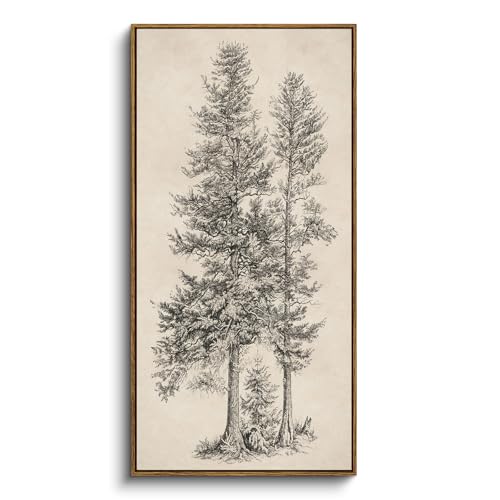
The ideal clearance for placing your pieces is approximately 57 to 60 inches from the floor to the center of the image. This measurement aligns with the average eye level of most individuals, ensuring a comfortable viewing experience.
When showcasing a piece directly over a surface like a sofa or console table, maintain a distance of 6 to 12 inches between the top of the furniture and the bottom edge of your frame. This guideline prevents visual clutter while providing a balanced aesthetic.
In larger spaces, consider scaling the height slightly higher, especially if the ceilings are elevated. A rule of thumb is to raise the artwork about 2 to 3 inches for every foot of additional height in the room.
Height Recommendations for Artwork Placement
I recommend positioning your pieces around 57 to 60 inches from the floor to the center of the display. This height aligns well with eye level for most individuals.


Visual Impact Techniques
- If layering is intended, consider a minimum 6 to 12 inches separation between the top of the sofa and the bottom of the nearest frame.
- For a cohesive look, maintain approximately 2 to 4 inches above shelves or mantels if incorporating smaller accents.
- Utilize larger formats or series as focal points, placing them around 12 to 18 inches from well-defined surfaces for balance.
Room-Specific Adjustments
Adjust your setup based on the specific function and scale of the area:
- In dining rooms, provide at least 30 inches clearance above tables to ensure unobstructed views.
- For above entertainment centers, aim for a height that allows the display to remain a conversation starter without overwhelming the space.
- In bedrooms, the orientation of the headboard can guide the positioning. Artwork should rest around 12 inches above to create harmony.
Measuring the Optimal Height for Art Placement
I recommend positioning the center of your visual piece at approximately 57 to 60 inches from the floor. This height aligns well with the average eye level of most viewers, ensuring a comfortable viewing experience.
- For larger works, consider raising the placement height slightly, adjusting for the dimensions of the piece.
- When furniture is present, allow for at least 6 to 12 inches of space between the top of the furniture and the bottom edge of the artwork to create visual balance.
- In rooms with varying ceiling heights, maintain a consistent center point across different pieces for cohesiveness.
For group displays, calculate the average height of the cluster. The center of the collection should still strike that eye-level target. This helps unify the pieces and provides a harmonious look.
- Measure the overall height of your arrangement.
- Divide this total by two to find the midpoint.
- Add or subtract height based on your specific viewing preferences.
Adjust according to room function; dining areas might benefit from slightly higher placements, while areas designated for relaxation could allow for a lower arrangement. Tailoring the height enhances how the pieces interact with the space.
Considerations for Different Types of Furniture
For optimal visual impact, the placement of images varies with the type of piece below. When pairing with a sofa, keep the gap around 6 to 12 inches. This range ensures the piece draws attention without overwhelming the seating area.
Coffee Tables
Position your visuals 12 to 18 inches from the tabletop. This distance creates a balanced look while maintaining sightlines, especially when seated.
Dining Tables
Maintain a clearance of 24 to 30 inches from the table surface for artworks above dining surfaces. This height allows for comfortable dining experiences while enjoying the aesthetic above.
For console tables, a 6 to 12 inch spacing is ideal, harmonizing the top surface with the wall decorations, fostering a cohesive design. Adjustments might be necessary based on ceiling height and the dimensions of the pieces used.
Using Eye Level as a Guideline
I recommend placing the center of your visual piece at eye level, which typically measures around 57 to 60 inches from the floor. This range is considered optimal for most viewers and creates a comfortable visual experience. When standing or sitting, the artwork should engage the viewer without causing discomfort or requiring excessive adjustment in their position.
Adjusting for Viewing Height
If the environment features varied seating arrangements, such as high-backed chairs or sofas, adapt the height accordingly. In living spaces with lower seating, positioning the center of your piece closer to 54 inches can enhance visibility. Conversely, in a setting with taller furnishings, like a tall backed chair, consider elevating your piece slightly higher.
Layering and Grouping
<pFor a cohesive display, especially with multiple visuals, keep the eye level consistent across all elements in the arrangement. When grouping, establish an average eye level across the collection. This approach enables the viewer to appreciate the composition as a whole, providing a unified and aesthetically pleasing effect.
Adjusting for Room Ceiling Height
Ceiling height significantly influences the positioning of wall decor. In spaces with standard 8-foot ceilings, placing pieces approximately 57 to 60 inches from the floor is suitable. For higher ceilings, such as 9 or 10 feet, elevate the artwork to about 60 to 63 inches. This adjustment creates a balanced aesthetic, ensuring the decor feels integrated within the space.
Considerations for Very High Ceilings
Rooms with ceilings over 10 feet present unique challenges. Here, it’s advisable to increase the installation height in increments of 2 to 3 inches for every additional foot of ceiling space. This ensures the visual line remains congruent with typical viewing angles, allowing the display to resonate with the overall room height.
Impact of Room Purpose
In areas designated for relaxation, such as living rooms or bedrooms, hanging pieces slightly lower can create a more intimate atmosphere. Conversely, in workspaces or hallways, maintaining a higher elevation may enhance focus and flow, accommodating the act of walking or standing while viewing pieces. Consider the functionality of the space when determining the optimal height.
Creating Cohesion with Multiple Art Pieces
Group similar pieces together to create a unified visual impact. I often arrange artworks that share a common theme, color palette, or style. This approach not only strengthens the overall look but also invites the viewer to explore each piece in relation to the others.
Consistent Spacing
Maintain even spacing between each piece, generally around 2 to 5 inches, depending on the size and scale. This distance encourages continuity while allowing each work to breathe. I find that too much space can disrupt the flow and make the collection feel disjointed.
Creating a Focal Point
Start with a central piece that serves as a focal point within the arrangement. This anchor can guide the placement of surrounding items. I usually position the main artwork slightly higher than eye level, which helps draw immediate attention and frames the rest of the collection in relation to it.
To enhance cohesiveness, consider using a unifying frame style or color across all pieces, creating a polished, curated look. As I experiment with combinations, I assess the visual balance to ensure that no single artwork overpowers the others, allowing for a harmonious display.
Placing Artwork Near Sofas and Chairs
I recommend positioning artwork approximately 6 to 12 inches above the backrest of sofas and chairs. This range optimizes visibility while maintaining a comfortable viewing experience for seated guests.
Height Recommendations Based on Furniture Type
When determining the optimal height, consider the dimensions and style of the seating. For low-profile couches, aim closer to the 6-inch mark; for higher-backed chairs, lean towards 12 inches. This adjustment accommodates different seating heights, ensuring the displayed pieces are effectively integrated into the space.
Creating Visual Balance
Incorporating multiple pieces can enhance the presentation. For cohesive arrangements, establish a central line connecting the midpoint of the artwork and align it with eye level of individuals seated. Use this technique to create a dynamic display that draws the eye and complements the surrounding furnishings.
| Furniture Type | Recommended Distance |
|---|---|
| Low-Back Sofa | 6-8 inches |
| Standard Sofa | 8-10 inches |
| High-Back Sofa | 10-12 inches |
| Armchair | 6-12 inches |
Art Placement in Dining and Entry Areas
Install pieces in dining rooms approximately 48 to 60 inches from the floor to the center of the piece. This height ensures visibility for seated guests and enhances the overall dining experience. For entry spaces, visuals should be set slightly higher, around 60 to 66 inches, allowing for immediate engagement as individuals enter the area.
Balancing Space and Style
In dining areas, consider the scale of the surrounding elements, such as tables and light fixtures. A large, bold canvas works well above spacious dining tables, while smaller works suit cozier settings. In entryways, larger statements help create an inviting atmosphere. When utilizing multiple pieces, maintain consistent spacing, ideally 2 to 4 inches apart, to promote harmony.
Creating Focal Points
Position statements to draw eyes immediately upon entry. For instance, a striking piece above a console table can establish an engaging focal point. Lighting plays a role too; directional spotlights can accentuate a piece, enhancing its impact. Always ensure that height complements the overall proportion of the space, allowing for an attractive visual flow.
Maintaining Balance with Large Furniture Items
Position artwork at least 6-12 inches above the top edge of substantial pieces. This ensures a harmonious relationship between the visual weight of the display and the mass of the furniture, creating a cohesive environment.
Proportional Height Adjustments
When working with oversized couches or cabinets, consider the proportions and scale of the items. I focus on the height of the tallest piece and evaluate how my selections interact with surrounding elements. I adjust the distance to find a placement that enhances rather than overwhelms the arrangement.
Using Scale to Create Impact
In instances of large seating or storage, larger pieces can make a striking statement. I often opt for expansive canvases or a series of substantial frames that complement the bulk of the furniture while maintaining a visual dialogue between both elements.
Framing the space is also essential. I ensure that wall decorations resonate with the dimensions of the significant items, creating an unbroken flow that pulls the entire room together. This thoughtful approach not only enriches the aesthetic but also allows the room to feel more balanced and inviting.


