
 Caleb Turner
Seal every nook and cranny in the space where possessions are kept. I recommend utilizing high-quality silicone or foam sealants to close gaps in walls and around windows. Determine potential entry points by inspecting the premises thoroughly.
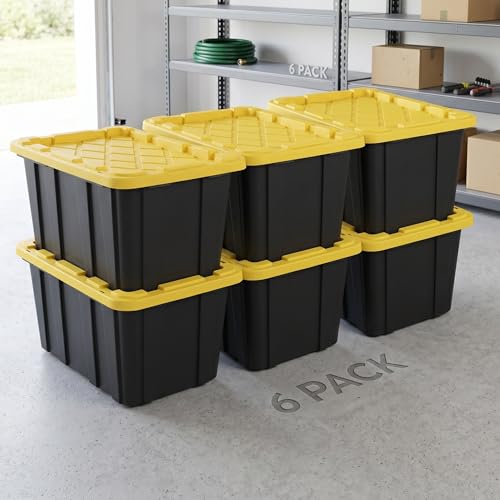
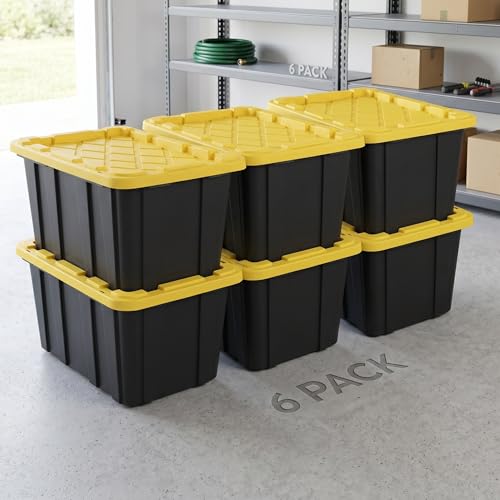
Invest in heavy-duty containers made of plastic rather than cardboard. These will deter vermin attempts to gnaw their way through to stored belongings. Additionally, ensure that containers are tightly sealed with lids that fit snugly.
For added protection, incorporate natural repellents such as peppermint oil. Soaking cotton balls in this oil and strategically placing them inside storage units can create an unwelcoming environment for intruders.
Regularly monitor the area for signs of rodent activity. I find it helpful to conduct visual inspections at least once a month, checking for droppings or chewed items, which can indicate a problem before it escalates.

Preventing Rodent Access to Stored Items
Seal any openings or gaps with caulk or steel wool to create an impenetrable barrier. Choose sturdy containers with tight-fitting lids for added protection.
- Utilize vacuum-sealed bags to store textiles and cushions. These not only save space but also hinder any access.
- Consider placing cedar chips, peppermint oil-soaked cotton balls, or commercial repellents inside the storage areas to deter unwanted animals.
- Regularly check on the items to detect any signs of intrusion or damage early.
Organize the contents in a manner that keeps everything off the ground, using shelving to promote airflow and visibility. Place items at least a few inches away from walls.
- Inspect each piece before storing it, ensuring it is clean and dry.
- Use breathable covers rather than plastic sheeting, which can trap moisture and promote mold.
Store rarely used or seasonal items in a dedicated area away from frequently accessed spaces. This reduces the likelihood of disturbances.
Identifying Signs of Mouse Infestation in Stored Furniture
Look for droppings as the first sign. Mouse feces are small, dark pellets, typically around 1/4 inch long. If noticed, take immediate steps to address the issue.
GNAW MARKS
Inspect corners and edges of items for gnawing damage. Mice tend to chew on wood, cardboard, and plastic. If you find nibble marks or damaged materials, it indicates potential intrusion.
ODOR
A distinct musky smell can suggest the presence of rodents. Pay attention to any unusual scents, especially in confined areas where items are kept.
| Signs | Description |
|---|---|
| Droppings | Small, dark pellets, often found near nesting sites. |
| Gnaw Marks | Visible damage on edges of objects; typically rough and irregular. |
| Odor | Musky scent indicative of rodent activity. |
| Nesting Material | Shredded paper, fabric, or insulation found in crevices. |
| Tracks | Small footprints in dust or dirt, usually leading to and from feeding grounds. |
Keep an eye out for nesting materials such as shredded paper or fabrics. These indicate a place where rodents may be residing. Additionally, look for small tracks in dust or dirt, which can reveal movement patterns. If any of these signs are detected, it’s crucial to take timely action for prevention and elimination.
Choosing the Right Storage Location to Deter Rodents
Selecting the ideal environment for your items is paramount. Seek areas with low humidity and stable temperatures to minimize the risk of rodent presence.
Recommended Locations
- Elevated platforms: Store items on shelves to create a barrier between them and potential nest sites on the ground.
- Indoor spaces: Opt for a climate-controlled area within your home or a reputable facility. Basement and attic settings might harbor pests, so avoid those.
- Secure garages: If using a garage, ensure it is well-sealed and inspect regularly for signs of unwanted visitors.
Preventive Measures
- Limit access: Choose locations with minimal points of entry. Use sealed containers to secure valuables.
- Regular checks: Perform routine inspections of your chosen area to identify any potential issues early.
- Clean surroundings: Keep the area tidy and free from food sources that might attract uninvited guests.
By implementing these strategies, the likelihood of encountering intruders in your preserved items significantly decreases.
Sealing Cracks and Gaps to Prevent Mouse Entry
Inspect all surfaces for any cracks and gaps where rodents might find entry points. Pay particular attention to seams of furniture, baseboards, and any areas where different materials meet. I use caulk to fill small openings, which is straightforward and effective. For larger spaces, steel wool or expandable foam provides excellent barriers. I ensure all areas are well-sealed to create a tight enclosure.
Don’t overlook foundation and wall junctions. Applying weatherstripping to doors and windows prevents unwanted access. I also recommend using metal mesh along vents and ducts to secure those potential entrances. Ensure that any airflow is still maintained where necessary, but without compromising safety.
Regularly check these seals for wear and tear. I find that periodic maintenance ensures that no new vulnerabilities arise. Keeping a supply of sealing products handy can make quick repairs hassle-free. These proactive measures significantly reduce the chances of intrusion by unwanted creatures.
Utilizing Natural Deterrents Around Stored Items
I recommend placing peppermint oil cotton balls near your belongings. The strong scent repels various rodents and is safe for the majority of materials. A few drops on cotton balls placed inside boxes or around the perimeter of your storage area can create an effective barrier.
Dried bay leaves are another natural option. I often tuck them into corners or include them in containers with my possessions. Their scent serves as an excellent repellent while also being non-toxic.
Consider using ultrasonic repellents as well. These devices emit high-frequency sounds that are undetectable to humans but can drive rodents away. Strategically placing a few of these around your storage space can enhance your defense against unwanted visitors.
Cedar blocks or chips also work wonders. Their aroma not only deters pests but also leaves a pleasant fragrance. Placing them alongside your items can serve dual purposes–keeping critters away and maintaining a fresh scent.
Lastly, cat litter can be used as a deterrent. If you have access to a cat, placing their used litter in a breathable container near your belongings can deter rodents due to the feline scent, signaling danger without any harmful chemicals. This simple method can complement other strategies effectively.
Implementing Traps and Monitoring for Mouse Activity
Utilize snap traps set up along walls and areas where signs of rodents are evident. Place bait like peanut butter or sunflower seeds to attract them effectively. Regularly check traps for captures to gauge the level of activity.
Live Traps as an Alternative
Consider live traps if you prefer a humane option. Position these traps near suspected entry points and monitor them daily. Release captured individuals far away from your location to prevent return.
Monitoring Techniques
Aside from traps, employ monitoring devices such as motion sensors or infrared cameras to observe potential activity. These tools can provide insights into patterns and peak times of intrusion. Identify frequent paths and adjust your preventive measures based on findings.
Consistency in checking traps and reviewing monitoring data can lead to timely adjustments, ensuring better control over advancements from unwanted guests.
Regular Maintenance Checks to Ensure Mouse Prevention
Establish a routine inspection schedule every few weeks. Focus on areas where items are kept; check for any signs of droppings or gnaw marks. Such evidence indicates potential issues that require immediate attention.
Clear away any debris, dust, or clutter around stored possessions to eliminate hiding spots. Create an organized system to facilitate easy access and visibility, allowing for better monitoring.
Inspect storage containers and bags for tears or holes. Reinforce fragile areas with strong tape or replace damaged items. This will reinforce barriers against unwanted entry.
Consider using cedar chips or essential oils, such as peppermint, inside storage spaces. These natural repellents can deter rodents while providing a pleasant scent. Periodically refresh these deterrents to maintain their effectiveness.
Keep a detailed log of any maintenance actions taken. Regular documentation enables tracking patterns over time, providing valuable insights into the frequency and type of interventions necessary.
Encourage airflow in enclosed spaces to minimize moisture, making it less inviting for pests. Utilize dehumidifiers if necessary to maintain a dry environment.
Conduct a comprehensive seasonal review, especially before prolonged storage periods. This process should include inspecting the surrounding area for potential risk factors, such as nearby vegetation that could attract unwelcome guests.
Involve others in maintaining vigilance. Encourage anyone accessing these items to report unusual findings, fostering a proactive approach to prevention.


