
 Caleb Turner

Regularly using microfiber cloths for wiping surfaces has dramatically reduced the amount of particles I see collecting on my objects. This material traps dust instead of just moving it around, keeping my living space clearer for longer.
Additionally, employing an air purifier with a HEPA filter adds another layer of defense. This not only captures airborne particles but also improves the overall air quality, resulting in fewer dust bunnies settling on my beloved items.
Incorporating furniture polish specifically designed to repel dust can also enhance the cleanliness of my surroundings. This creates a barrier that makes it more difficult for debris to cling to surfaces, significantly impacting the frequency of my cleaning routine.
Strategically arranging my belongings to limit clutter is another effective tactic. By minimizing the number of decorative items on shelves and tables, I’ve noticed a substantial decrease in the amount of dust that gathers over time.
Finally, maintaining a consistent cleaning schedule, including vacuuming carpets and rugs regularly, helps capture dust before it settles. By prioritizing these techniques, my environment remains fresher and healthier.

Methods to Reduce Dust Accumulation
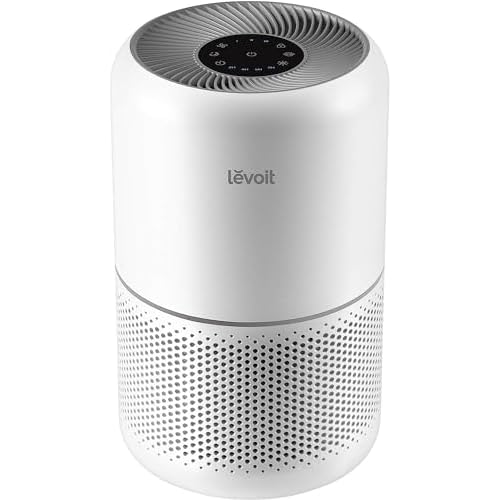
Implement air purifiers equipped with HEPA filters in living areas. These devices trap fine particles and allergens, significantly reducing the dust that settles on surfaces.
Using microfiber cloths during cleaning sessions can efficiently capture particles instead of just moving them around. I find that slightly dampening the cloth enhances its ability to adhere to dust.
Strategic Room Layout
Arranging items strategically across rooms minimizes dust collection. Avoid clutter and choose furniture with smooth, sleek surfaces, as they attract less dust compared to intricate designs.
Regular Cleaning Routine
Establish a cleaning schedule that includes weekly vacuuming with a vacuum featuring a HEPA filter. This prevents dirt from settling into carpets and rugs, which can release dust back into the air.
Choose the Right Furniture Material
I prefer materials that naturally resist accumulation of particles. For example, metal surfaces are less prone to attracting dust compared to fabric or wood. Opting for pieces with a smooth finish, like polished stainless steel or glass, makes cleaning effortless and reduces the need for frequent maintenance.
Wood can be treated with sealants that minimize dust cling, enhancing its durability and ease of upkeep. I recommend selecting hardwoods; they tend to be denser and less porous, which reduces the surface area for dust to settle.
When considering upholstery, look for synthetic fabrics such as microfiber. These materials don’t trap dust as much as natural fibers do, making them ideal for low-maintenance living. Regularly vacuuming or wiping down such surfaces keeps them clean without hassle.
Preferring furniture with fewer nooks and crannies simplifies the cleaning process. Designs with straight lines and minimal detailing help in preventing dust buildup. Choosing slipcovers that can be easily washed can also add a layer of convenience.
Implement a Regular Cleaning Routine
A consistent cleaning schedule significantly reduces the accumulation of particles on surfaces. I recommend dedicating specific days each week for thorough dust removal. Here’s how I organize my routine:
- Daily Quick Wipes: Use a microfiber cloth to swipe surfaces each day. This prevents buildup and easy tackles high-contact areas.
- Weekly Deep Cleaning: Set aside time weekly for a more thorough approach. Vacuum upholstered pieces and polish wooden elements.
- Monthly Assessments: Deep clean all surfaces and hard-to-reach spots. I find that this monthly check helps maintain a cleaner environment.
In each routine, focus on corners, edges, and behind larger items. Dust tends to settle in these overlooked areas. Employing an electrostatic duster can increase efficiency during your clean-ups.
Incorporate Seasonal Deep Cleans
At the change of each season, commit to a comprehensive cleaning. Declutter and organize, donating items not used in the previous months. This increases not only cleanliness but also air quality in the space.
Use Protective Covers
When not in use, I recommend employing protective covers for chairs and sofas. This acts as a barrier, limiting exposure to airborne particles.
Use Covers for Protection
Utilizing protective covers can significantly reduce the accumulation of particulate matter on your household items. Opt for breathable fabric covers tailored to fit your specific pieces, as these allow air circulation while minimizing dust infiltration.
Choose covers that are easy to remove and wash, ensuring they remain fresh and clean. Regularly laundering these coverings can prevent buildup and enhance their efficacy in repelling dirt. Furthermore, consider investing in covers with anti-static properties to inhibit dust attraction.
When selecting protective gear, evaluate the environment where the items are located. For example, if situated near an open window or a high traffic area, heavier-duty covers may be beneficial. Here’s a quick overview of different types of covers and their uses:
| Type of Cover | Best For | Key Features |
|---|---|---|
| Fabric Slipcovers | Sofas and Chairs | Machine washable, breathable |
| Plastic Covers | Seasonal Items | Water-resistant, dust-proof |
| Custom-Fit Covers | Antique or Specialty Items | Tailored fit, premium material |
Incorporating these protective strategies not only preserves the condition of your belongings but also reduces time spent on cleaning, allowing for a more enjoyable living space.
Control Humidity Levels in Your Home
Maintaining optimal moisture levels around 40-50% can significantly reduce accumulation of particles. Use a hygrometer to monitor these levels regularly.
If humidity is too high, consider using a dehumidifier. This device effectively removes excess moisture, creating an unfriendly environment for dust mites and mold.
Conversely, if the air is too dry, utilize humidifiers to add moisture back into your living space, ensuring comfort while preventing static electricity that can stir up particles.
Regularly ventilate rooms by opening windows and doors. Fresh air circulation helps balance humidity and reduces stagnant conditions that foster dust buildup.
In areas prone to excess moisture, like basements, install exhaust fans to improve air circulation. Keeping these spaces dry is crucial in minimizing debris accumulation.
Be mindful of activities that increase humidity, such as cooking or showering. Use exhaust fans or open windows immediately afterward to maintain balanced moisture levels.
Each season may require adjustments in moisture management. Monitor climate changes and adapt your strategies accordingly to keep your home comfortable and clean.
Strategically Place Furniture to Minimize Dust Accumulation
Position items away from high-traffic areas. This reduces the agitation of dust particles. Avoid placing them directly against walls; providing a small gap allows for better airflow and prevents dust collection.
Utilize furniture with legs rather than solid bases. Legs allow for easier cleaning underneath, diminishing the areas where dust can accumulate.
Arrange pieces thoughtfully to maximize exposure to natural light. Sunlight can minimize moisture and deter dust mites, making surfaces easier to maintain.
Consider the orientation of larger items. Position sofas or chairs facing each other rather than walls to enhance airflow and prevent dust from settling.
Use storage solutions wisely. Opt for closed cabinets and drawers to shield items from settling particles while maintaining aesthetics. Open shelving, while trendy, often invites dust accumulation.
Group similar items together to create defined areas. This organization simplifies cleaning routines and minimizes the likelihood of dust colonies forming in scattered locations.
Invest in Air Purifiers for Dust Reduction
Integrating air purifiers into your living space significantly enhances air quality and minimizes particulate matter. These devices efficiently capture dust, pollen, and other allergens, leading to a cleaner environment.
Choosing the Right Purifier
Select a model with a High-Efficiency Particulate Air (HEPA) filter. HEPA filters can trap particles as small as 0.3 microns, making them effective against dust particles. Ensure the purifier is appropriately sized for your room to maximize its performance.
Placement Strategies
- Position the unit in high-traffic areas to capture airborne dust more effectively.
- Avoid corners; instead, place it in the center of the room for optimal air circulation.
- Consider placing units near sources of dust, such as windows or vents.
Regular maintenance of the air purifier is vital; change filters as recommended by the manufacturer to sustain its efficiency. Embracing air purification technology not only reduces dust but also contributes to better overall health and well-being.


