Caleb Turner
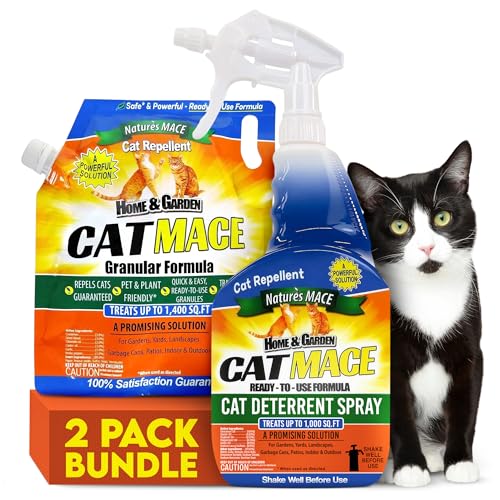
Applying deterrents such as citrus scents effectively minimizes feline interest in outdoor upholstery. Cats naturally dislike the smell of oranges, lemons, and other citrus fruits. Spraying a diluted citrus solution around the seating areas can create an unpleasant environment for them, prompting them to seek alternate lounging spots.
Additionally, placing physical barriers can significantly reduce unwanted paws on your lounging areas. Using mesh covers or investing in protective slipcovers not only keeps the cushions clean but also makes the surfaces less appealing by creating an unfamiliar texture. Consider arranging furniture to be less accessible; a strategic layout can discourage felines from jumping onto your seating areas.
Using motion-activated devices can also be beneficial. These gadgets frequently emit sound or a burst of air that startles curious cats, effectively teaching them to associate certain areas with discomfort. Implementing these methods can transform your patio or porch into a space free from unwanted feline visitors, preserving your outdoor textiles and keeping your relaxation areas enjoyable.
Strategies to Deter Felines from Outdoor Seat Cushions
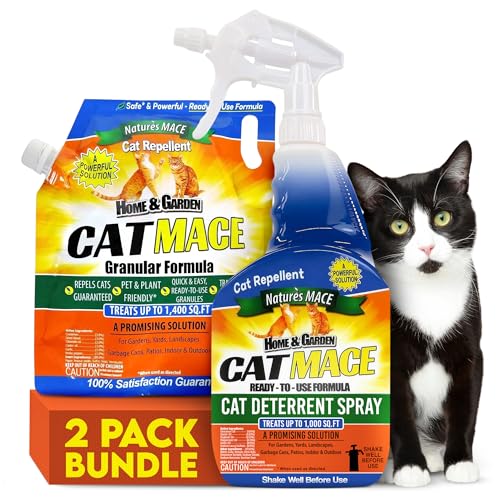
Applying citrus-scented sprays to your cushions effectively discourages unwanted visitors. Cats generally dislike the smell of citrus, making it a natural repellent. Regular application ensures lasting protection.


Incorporating textured covers can significantly deter animals from making themselves comfortable. Choose materials like mesh or crinkly fabrics, as these surfaces are less inviting.
Positioning physical barriers is a practical approach. Elevate items or add decorative elements like stakes or low garden ornaments, creating an unwelcoming environment. This can restrict access while maintaining aesthetic appeal.
Utilizing motion-activated devices filled with water or air can startle intruders. These gentle deterrents provide a safe method to encourage them to seek alternative resting places.
Planting specific herbs, such as rosemary or lavender, around your seating area can act as a natural deterrent. The scent of these herbs tends to repel, while also enhancing the outdoor space’s aroma.
Investing in furniture specifically designed for outdoor use, with covers, can minimize wear and reduce the allure for roaming pets. Many options include built-in repellent features.
Creating a dedicated area for local wildlife nearby can divert the attention of animals from your seating area. Providing enticing alternatives, such as scratching posts or cozy spots, encourages them to use those instead.
Finally, enhancing your outdoor arrangements with decorative deterrents, like wind chimes or reflective surfaces, can disrupt the ambiance, making it less appealing for nearby creatures.
Understanding Cat Behavior Around Furniture
When a feline is exploring a space, it often seeks out soft, elevated surfaces. This natural instinct leads them to cushions and upholstery, as they provide a sense of comfort and security. Making these areas less appealing requires understanding this behavior.
Territorial Instincts
Cats possess strong territorial instincts. Marking territory through scent is common; they may knead or scratch on surfaces to leave their scent. To deter this behavior, consider using protective covers that are less inviting or have a texture that is unappealing to them.
Curiosity and Playfulness
This playful nature drives cats to investigate their environment. Brightly colored or patterned cushions may attract their attention. Adding distractions such as cat trees or designated play areas can help redirect their curiosity away from your seating. Implementing physical barriers can also be effective, creating a clear separation between their play area and your seating.
Using Physical Barriers to Protect Cushions
To prevent unwanted visitors from lounging on my cushions, I utilize several physical deterrents. Here are effective methods:
- Plastic Covers: I have found that using waterproof plastic covers not only protects the cushions from moisture but also makes the surface less appealing for animals. They dislike the slick texture.
- Motion-Activated Sprinklers: Incorporating barriers like motion-activated sprinklers around the seating area can provide a startling but harmless deterrent. The surprise of water keeps them away.
- Physical Objects: I strategically place objects such as garden statues, planters, or even decorative rocks on the cushions when not in use. This creates an uneven surface that discourages lounging.
- Commercial Deterrent Mats: Some mats are designed specifically to deter animals. They have spikes or textures that make resting uncomfortable without harming them.
- Furniture Covers: Investing in breathable furniture covers can easily shield cushions. I choose covers with a tight fit to prevent slipping off.
Implementing these barriers consistently ensures my outdoor space remains welcoming without unforeseen guests making themselves comfortable on my seating. Experimenting with combinations of these techniques can yield the best results tailored to my surroundings.
Choosing Cat-Repellent Fabrics for Outdoor Use
Select materials that exhibit a high level of resistance to scratching and chewing. Options like tightly woven synthetic fibers, such as acrylic or polyester blends, offer durability and are less appealing for clawing. These fabrics tend to have a smooth texture that discourages various pets from making themselves comfortable.
Opt for Textures That Deter
<p Fabrics with coarse textures or patterns can be less inviting for play. Consider outdoor textiles featuring a rough finish or irregular weaves that are not conducive to the comfortable lounging behaviors of felines. Additionally, some brands produce specialized fabrics infused with natural repellents, which can further deter interest.
Assess Maintenance Needs
Choose materials that are easy to clean and resistant to stains, as accidents can occur. Fabrics treated with water-repellent coatings can help repel moisture and prevent odors, maintaining a fresh appearance. Look for options labeled as mold and mildew resistant, which are essential for enduring outdoor conditions.
Implementing Scent Deterrents on Cushions
Using citrus scents is particularly effective. I mix orange or lemon essential oils with water in a spray bottle and lightly mist the fabric. The strong fragrance typically dissuades inquisitive felines.
Strong Herbal Options
Herbs such as rosemary, peppermint, and lavender can act as effective repellents. I create sachets filled with dried herbs and place them near seating areas. The intense aroma often drives away curious animals.
Commercial Repellents
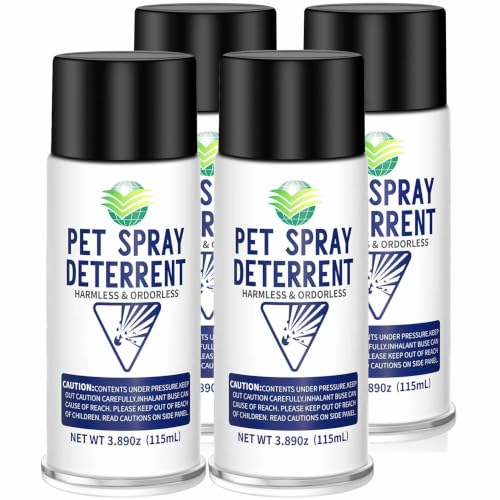
There are several commercially available sprays designed to deter animals. I check the ingredient list for natural components to avoid harmful chemicals. Application of these products can create a barrier that many find unappealing.
Training Felines to Avoid Outdoor Seating
Begin with positive reinforcement techniques. Utilize treats or playtime to reward your feline for avoiding the designated areas. Gradually introduce commands such as “no” or “stop” paired with these rewards.
Set consistent boundaries by using commands when your pet approaches the restricted areas. It’s essential to remain patient as consistency in training will yield results over time.
Incorporate clicker training as an effective tool. Each time your pet chooses to stay away from the seating, use a clicker followed by a treat. This helps them associate the correct behavior with a positive outcome.
Gradually increase the amount of time they are expected to stay away from the cushions. Start with short intervals and extend the duration as they become more accustomed to the training. Keep in mind each animal is unique, and progress may vary.
Select a specific area for your feline to enjoy outside playtime. Encourage them to use that space instead. Equip this area with engaging toys and climbing structures to divert their attention from the seating.
Using visual signals can also aid in establishing boundaries. Place visual deterrents such as small barriers or mats that are unappealing. This will signal to your pet that the area is off-limits.
Frequent interaction is vital. Spend time with your pet outdoors, guiding them away from the restricted areas and reinforcing desired behavior during these moments of engagement.
Be mindful of the environment. If your pet sees other animals using the furniture or cushions, it could weaken your training efforts. Consider removing temptations or distractions from the vicinity until habits are formed.
Creating an Alternative Resting Area for Cats
Provide a designated sleeping spot using a large, comfortable pet bed placed in a sheltered area, such as a patio or garage. This can entice your feline friend to choose it over other surfaces. Ensure the bed has cozy blankets or cushions that retain warmth, as many animals prefer soft, inviting spaces.
Add a shaded corner with a scratching post or tree nearby to create a stimulating environment. Incorporate toys to engage their playfulness, drawing them away from your seating. Using catnip-infused items can also attract them to this space.
Incorporate ramps or steps leading to elevated resting areas, as felines often enjoy perches. Shelves or old furniture can be repurposed safely for this purpose. Placing their favorite toys near these heights helps encourage exploration.
Utilize external features like canvas or mesh shelters to provide refuge during sunny days. Ensuring this area is easily accessible and comfortable can drastically reduce their desire to lounge elsewhere.
Rotate the placement of these alternatives periodically to keep their interest alive. Regularly refreshing the environment can make a difference in their preferences. Be patient while they learn to adapt to these new resting areas, as it takes time for them to adjust and establish new habits.
Utilizing Motion-Activated Devices for Deterrence
Place motion-activated sprinklers strategically near seating areas. When a pet approaches, they’ll get a light spray of water, which effectively deters them without causing harm. Make sure to adjust the sensitivity so it only activates with movement.
Additionally, ultrasonic devices emit a high-frequency sound that is unpleasant for animals but inaudible to humans. Set these up around the perimeter of outdoor spaces to create a no-entry zone for wandering felines.
Another option includes motion-activated lights. Bright lights that activate in response to movement can startle animals, training them to associate this area with an unwelcome experience. Position these devices in such a way that they cover all desired zones while blending seamlessly into the landscape.
| Device Type | Function | Benefits |
|---|---|---|
| Motion-Activated Sprinklers | Sprays water | Safe and non-harmful deterrent |
| Ultrasonic Devices | Emits high-frequency sound | Non-intrusive and continuous deterrent |
| Motion-Activated Lights | Illuminates when movement is detected | Startles and discourages repetitive visits |
Combining these technologies can enhance the overall deterrent effect, ensuring that unwelcome visitors understand which areas are off-limits. Regularly reassess and reposition devices to maintain effectiveness, as animals can become accustomed to static deterrents.
Maintaining Regular Cleaning Routines for Cushions
Establish a weekly cleaning schedule for all soft garden seating components. Use a vacuum with an upholstery attachment to remove loose hair, dirt, and allergens that accumulate over time. This prevents residues that may attract curious animals.
For deeper cleaning, opt for fabric-safe cleaners suitable for outdoor materials. Test any product on a small area first to avoid discoloration. Once you apply the cleaner, ensure to follow the manufacturer’s instructions for optimal results.
When weather permits, air out the soft surfaces in sunlight, killing off bacteria and refreshing the material. Sunlight also helps in removing any lingering odors that might be appealing to uninvited guests.
Keep these items covered during harsh weather or when not in use. Protective covers act as barriers against dirt and pests while extending the lifespan of the materials.
Always inspect your cushions for signs of wear or damage. Promptly addressing any deterioration prevents small issues from becoming larger problems, ensuring a cleaner and uninviting space for interruptions.
FAQ:
What are some common reasons cats like to sit on outdoor furniture cushions?
Cats are naturally drawn to soft and warm surfaces, which is why outdoor furniture cushions can be very appealing to them. The cushions provide comfort and a cozy spot to rest. Moreover, outdoor spaces are filled with interesting scents and sounds, making them attractive to curious cats. Lastly, cushions may also serve as a lookout point for observing their surroundings, increasing their interest in these areas.
What are some simple methods to discourage cats from using outdoor cushions?
To keep cats off outdoor cushions, consider using physical barriers like storage boxes or covers when the furniture is not in use. Spraying the cushions with a citrus-scented deterrent can also be effective, as most cats dislike citrus fragrances. Additionally, placing cat-safe repellents or using motion-activated devices that emit sounds or gentle sprays can help keep them at bay. Regularly changing the location of the furniture might also dissuade them from making it their resting spot.
Are there any products that can help deter cats from outdoor furniture?
Yes, there are several products designed specifically for deterring cats. For instance, you can find pet-safe sprays that have scents cats dislike, such as lavender or peppermint. Physical deterrents like pet-safe mats with textures that cats do not like to walk on can be placed on the cushions when not in use. Additionally, motion-activated deterrent devices can help scare cats away when they come near the furniture.
How can I train my cat to stay off the outdoor furniture?
Training a cat to stay off outdoor furniture requires consistency and patience. Start by providing alternative comfortable spots for them to rest, such as a designated outdoor cat bed or blanket. Use treats or toys to encourage your cat to use these designated areas. If you catch them on the furniture, gently redirect them to their spot and reward them when they comply. Consistent reinforcement will gradually teach them to associate the furniture with an unappealing experience.
Is it possible to protect outdoor cushions from cat hair and damage?
Yes, protecting outdoor cushions from cat hair and potential damage is feasible. Using slipcovers specifically designed for outdoor use can protect your cushions and make them easier to clean. Regularly brushing the cushions or using a lint roller can help manage cat hair. When possible, bringing cushions indoors during bad weather or when not in use will minimize wear and tear. Additionally, placing furniture in a less accessible area can reduce the likelihood of cats using it as their resting place.
What are some practical ways to deter cats from using outdoor furniture cushions?
There are several strategies you can employ to keep cats off your outdoor furniture cushions. First, consider using covers or throws that are less appealing to cats, such as those made from rough or uncomfortable materials. You can also use cat repellents that are safe for outdoor use, applying them to the cushions or their surroundings. Another approach is to create physical barriers; placing objects like garden decor or even chicken wire around the furniture can deter cats. Additionally, providing alternative comfortable resting spots in your yard, such as cat beds or shelters, may redirect their attention away from your cushions.
Why do cats like to sit on outdoor furniture cushions, and how can I prevent this behavior?
Cats are naturally drawn to soft, warm, and elevated surfaces, making outdoor furniture cushions an attractive spot for them. The cushions can provide comfort and a good vantage point. To prevent this behavior, you can make the cushions less inviting by using covers that have textures cats dislike, such as plastic or sandpaper-like materials. Additionally, placing citrus-scented items nearby can help, as many cats are averse to such scents. It’s also effective to create designated areas for cats to relax, such as cozy cat beds away from the furniture, to satisfy their need for comfort while keeping your cushions safe.