
 Caleb Turner

Begin by selecting a color palette that resonates with your vision. Choose shades that will harmonize with existing decor or create a striking contrast. For instance, pairing a soft pastel hue with bold patterns can breathe new life into your room.
Consider the type of piece you want to refresh. Dressers, chairs, and tables can all become stunning focal points. Before applying any color, ensure the surface is properly prepared; clean, sand, and prime if necessary. This preparation guarantees a smooth finish and enhances durability.


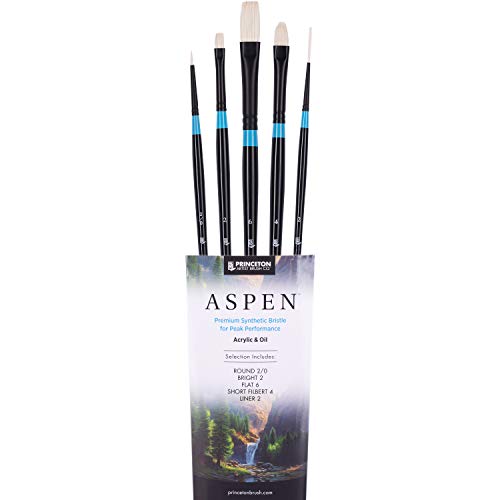

Experiment with various techniques. A distressed look can add character to antique pieces, while smooth finishes work well for modern aesthetics. Using stencils or tape can help achieve intricate designs or sharp edges, ensuring creativity shines through.
Accessorizing is key to completing the look. Pair painted items with complementary textiles, such as cushions or curtains, to create a cohesive atmosphere. Thoughtfully placing these accents around the room helps tie everything together.
Lastly, don’t shy away from layering. Mixing different styles and colors can yield an eclectic yet harmonious environment. The goal is to create an inviting space that reflects personal style and taste.
Creative Uses for Colorful Pieces
Incorporate a unique hue in a room by placing a vibrant cabinet in a neutral setting. This tactic draws attention and fosters a focal point. Experiment with complementary shades to enhance the overall color palette.
Mix different styles; pair vintage stools with contemporary dining tables. This juxtaposition adds character and intrigue. Consider a distressed finish on a rustic piece to contrast a sleek modern chair.
Take advantage of smaller accents such as side tables or nightstands. These items allow for easy color alterations without overwhelming the space. Use a bold color for a side table next to a muted-colored sofa for visual balance.
Incorporate decals or stenciling techniques on uniform surfaces to create interest without excessive commitment to color changes. These can be changed seasonally to refresh a space.
| Style | Color Suggestion |
|---|---|
| Eclectic | Teal |
| Minimalist | Soft Gray |
| Rustic | Earthy Green |
| Modern | Bright Yellow |
Layer textures by placing a smooth, painted item against rough surfaces. This contrast creates visual depth, making the space feel more inviting and dynamic.
Incorporate lighting strategically. A well-placed lamp can highlight a striking shade, making it a standout feature of the room. Choose fixtures that reflect or complement the colors of the pieces.
Combining various heights can lead to a more dynamic display. Use shelving to showcase smaller items above painted pieces, creating an engaging visual flow throughout the room.
Choosing the Right Paint for Furniture
I recommend opting for chalk paint for a matte, vintage finish that adheres well to surfaces without extensive preparation. It’s user-friendly and available in various shades, making it perfect for achieving a charming, rustic look. For a more polished appearance, consider acrylic or latex paint. These options provide durability and ease of cleaning, ensuring longevity and vibrant colors.
If you desire an eco-friendly alternative, look into milk paint. This natural choice is biodegradable and offers a unique, organic aesthetic. Keep in mind that milk paint requires a bonding agent if applied to non-porous materials.
A semi-gloss or gloss finish works wonderfully for areas needing extra durability, like dining tables or kitchen cabinets. Additionally, using a primer can enhance adhesion and color depth on surfaces previously finished or stained.
Test paint samples on the intended area to see how lighting influences shade perception. Always ensure proper ventilation when painting, and consider the furniture’s final placement to select colors that complement the surrounding decor.
Preparing Furniture for Painting
To achieve the best results, thorough preparation is key. Follow these steps to ready your items for a fresh look:
- Clean Thoroughly: Use a mixture of warm water and mild soap. For greasy areas, consider a degreaser. Rinse and dry completely.
- Remove Hardware: Take off knobs, handles, and any fittings. This prevents them from being accidentally painted and improves the finish.
- Sand the Surface: Lightly sand with fine-grit paper to create a smooth texture. This step helps the new coating adhere better. Pay special attention to edges and corners.
- Fill Imperfections: Use wood filler to patch holes or dents. Once dry, sand the filled areas to blend seamlessly with the rest of the surface.
- Prime if Necessary: If working with raw wood or a previously painted item in a dark color, applying a primer may be beneficial. Choose a suitable primer to ensure an even base.
Conduct a final inspection for dust or debris before moving on to apply the finish. A clean, primed surface will yield stunning results.
Selecting Color Schemes that Complement Your Space
Accent tones should harmonize naturally with existing decor. I prioritize colors that create a cohesive visual flow throughout the environment. For instance, a cool blue accent can pair beautifully with warm wooden elements, softening the contrast while adding depth.
Incorporating Neutrals
Neutral shades serve as the perfect backdrop, allowing the focal pieces to shine. I often select whites, beiges, or grays to enhance rooms that require light and openness. To add intrigue, I might introduce a subtle texture, such as a matte finish on a medium-gray shade, which captures light without overwhelming the space.
Understanding Color Psychology
Different hues evoke specific emotions. I consider the intended atmosphere; for relaxation, soft greens or muted blues work exceptionally well. Conversely, for creativity, rich jewel tones like emerald or navy inspire energy and boldness. Matching these colors with personal preferences ensures satisfaction with the ambiance.
Accent details, like hardware and textiles, should resonate with the chosen palette. I gravitate towards brushed brass or matte black fixtures that not only complement but also elevate the overall design. Planning this meticulous approach creates a harmonious finishing touch, ensuring every element feels deliberate and well thought out.
Techniques for Applying Paint Evenly
Choose a high-quality synthetic bristle brush for smooth surfaces or a foam roller for larger areas. The right tool is critical for achieving an even coat. I find that using a brush with a medium stiffness helps to apply the coating without leaving streaks.
Surface Preparation
Before starting, make sure the surface is clean, dry, and free from dust or grease. Lightly sanding the surface can enhance paint adherence. Wipe it down using a damp cloth to remove any debris after sanding.
Application Methods
Work in sections, applying the coating in long, uninterrupted strokes. This technique prevents stops and starts that can lead to unevenness. I advise maintaining a wet edge by overlapping each stroke slightly with the previous one.
For intricate areas, use a smaller brush to ensure precision without excess buildup. Lay down a thin layer of your chosen color and allow it to dry completely before assessing if a second coat is needed. Thin coats dry faster and contribute to a smoother finish.
If you’re using spray paint, hold the can at an optimal distance, typically around 10-12 inches from the surface, and maintain a steady motion. This reduces drips and allows for an even coat to form.
Lastly, observe the lighting in your space after application. This can reveal any inconsistencies that might not have been visible when wet. A light sanding between coats can also help to achieve that flawless finish.
Incorporating Patterns and Stencils for Unique Designs
Utilize stencils to introduce intricate designs to surfaces. This method allows for precision and consistency in applying patterns. Start by selecting a stencil that aligns with your aesthetic; geometric shapes or floral patterns can add depth and interest.
Position the stencil on the desired area and secure it using painter’s tape to prevent any movement. Apply a contrasting hue using a sponge or brush, ensuring even coverage without overloading. For subtlety, consider using a lighter or darker shade of the base color.
Mixing and Matching Patterns
Experimenting with various designs can create a playful and engaging look. Try combining different stencils; for instance, layer a delicate floral motif over a bold geometric shape. Maintaining a cohesive color palette is key–choose hues that either contrast or complement each other. This technique works particularly well on drawers or cabinet doors.
Creating Texture
Adding texture through patterns can enhance visual appeal significantly. Consider using textured rollers or stamps alongside stencils. This combination introduces dimension while maintaining harmony. Remember to practice on scrap pieces to ensure the right mix of technique and design before applying it to the main piece.
Finishing Touches: Sealing and Protecting Painted Surfaces
To ensure durability and longevity of the colored surfaces, sealing them is non-negotiable. Start by choosing a suitable sealant that offers the protection needed against scratches and moisture. Polyurethane, wax, or water-based sealants work effectively.
- Polyurethane: Ideal for surfaces exposed to high wear, it forms a tough layer that resists scratches and stains.
- Wax: Provides a softer finish, ideal for low-traffic areas, but requires regular maintenance to keep its luster.
- Water-based Sealants: Dry quickly and are easy to apply, making them a go-to for many DIY enthusiasts.
Before applying a sealant, allow the initial coat of color to cure fully. This often takes a week or more, depending on the type of paint used. Following the curing period, lightly sand the surface to create a smooth base for the sealant. This step enhances adhesion, ensuring a lasting finish.
For application, use a high-quality brush or a foam roller to achieve an even coat. Start at one edge and work your way across to prevent drips. Ensure proper ventilation during this process, as strong fumes may be present.
After applying the first coat, assess the surface. If it feels rough or uneven, consider an additional layer for extra protection. Once satisfied, allow adequate drying time before using the item again. This will ensure that the sealant fully hardens, providing maximum durability.
Periodic maintenance is essential. Regularly inspect surfaces for any signs of wear. A quick wipe down with a damp cloth followed by a reapplication of wax or sealant as needed will keep the piece looking fresh and new.
Mixing and Matching Painted Pieces in Your Decor
Pair contrasting hues to create visual intrigue. For instance, combine a bold turquoise chest with soft pastels, like a blush pink side table. This contrast enriches the space, allowing each item to shine.
Consider different finishes–matte, glossy, or distressed. A glossy green cabinet can harmonize beautifully with a flat white chair. Mixing textures adds depth and interest to the overall look.
Scale matters. Balance larger, more striking elements, such as a heavily painted armoire, with smaller accents, like a set of delicate stools. This prevents any one piece from overwhelming the room.
Utilize patterns to tie elements together. If a dresser features floral stenciling, incorporate smaller items like vases with similar motifs. This creates a cohesive theme and elevates the overall aesthetic.
Group pieces by color family. A collection of warm tones, ranging from deep red to soft peach, can create a harmonious vignette. This method guides the eye and fosters a sense of unity.
Incorporate modern and vintage styles within a single setting. A retro table with a contemporary chair allows for an eclectic feel. This approach injects personality and character into the environment.
| Style Combination | Effect |
|---|---|
| Bright colors with neutrals | Creates energy and focus |
| Textured finishes | Adds visual interest and depth |
| Patterns and motifs | Unifies diverse items |
| Mixing eras | Enhances character |
Experimentation leads to discovery. I’ve found that layering elements in unexpected ways can result in unique arrangements that reflect personal style. Enjoy the process of curating your space while being open to new combinations.
Using Painted Furniture as Focal Points in a Room
Select bold colors or unique textures to create standout pieces that draw attention. Opt for a vibrant hue on a chair or cabinet, strategically placed to capture the eye upon entering the space. This can set the tone and influence the surrounding decor choices. For instance, a bright turquoise side table can enliven a neutral palette, making a statement without overwhelming the room.
<pConsider scale and proportion when positioning standout items. A large, intricately painted dresser can serve as the centerpiece behind a couch, promoting flow while conveying personality. Conversely, smaller accent pieces can be utilized in clusters to create visual interest–pair a whimsically painted stool with a similarly styled side table to form a cohesive look.
<pUtilizing lighting effectively can enhance these focus pieces. A well-placed lamp or spotlight can accentuate the colors and craftsmanship, drawing admiration. For example, a golden light reflecting off a solid, blue-hued cabinet can create warmth, setting an inviting atmosphere.
<pThink about layering elements around the focal point. Incorporating textiles, such as throw pillows and blankets, that compliment the colors of the stand-out item can unify the space while maintaining focus. If a bold chair is your highlight, choose softer fabrics that echo its color palette, creating balance without detracting from the star piece.
<pAdditionally, reflect on surrounding wall art or accessories. A large framed piece that features similar colors can complement the primary item without competing for attention. This creates a harmonious environment that feels curated and thoughtful.
Maintaining and Caring for Painted Furniture Over Time
I recommend adopting a consistent care routine to keep your colorful pieces looking their best. Regular cleaning can prevent dust buildup and maintain the vibrancy of the finish.
- Use a soft, damp cloth for routine cleaning. Avoid harsh chemicals that may damage the surface.
- For stubborn stains, try a mixture of mild soap and water, applying it gently with a soft sponge.
- Avoid scrubbing, as it might scratch the finish.
Reapplication of protective coats can significantly enhance durability. Consider using a clear wax or polyurethane sealant periodically to rejuvenate surfaces.
- Test any new product on an inconspicuous area to ensure compatibility.
- Apply the sealant evenly, following the manufacturer’s instructions for drying times and application methods.
Protecting from excess moisture or heat is crucial. Keep your vibrant items away from direct sunlight, which can cause fading, and avoid placing hot items directly on their surfaces.
- Use coasters under drinks and placemats under dishes to minimize wear.
- Place furniture in areas with stable temperature and humidity levels.
Inspect your beloved items frequently for any signs of wear or damage. Prompt attention can prevent minor issues from becoming major repairs.
- Loose or chipped areas should be touched up immediately using matching paint.
- Consider reapplying a full coat if there are extensive scratches or discoloration.
With regular care, colorful pieces can maintain their charm and functionality for years, contributing to the overall aesthetic of your space.


