
 Caleb Turner

Begin with a mixture of warm water and mild soap to wipe down the surfaces of your outdoor seating. Using a soft cloth or sponge, gently scrub away dirt and grime. Pay close attention to crevices where debris tends to accumulate.
For tough stains or rust, create a paste with baking soda and water. Apply this paste onto the affected areas and let it sit for about 15 minutes before scrubbing with a non-abrasive brush. Rinse thoroughly to avoid any residue.
Afterward, dry the metal with a towel to prevent moisture from causing new rust. Consider applying a protective coating of wax or a specialized metal sealant to maintain its appearance and extend the lifespan of your outdoor pieces.
Cleaning Process for Metal Outdoor Seating
Begin by gathering a few items: a soft cloth, mild soap, water, and a brush with soft bristles. Avoid using abrasive materials that can scratch surfaces.
Preparation Steps
- Remove cushions and any accessories from the seating.
- Rinse the surface with water to eliminate loose dirt and debris.
- Dilute mild soap in a bucket of warm water.
Application Technique
Using the cloth, apply soapy water to the surface. Make sure to get into crevices, where grime tends to accumulate. For stubborn stains, utilize the brush with soft bristles to gently scrub the area without damaging the finish.


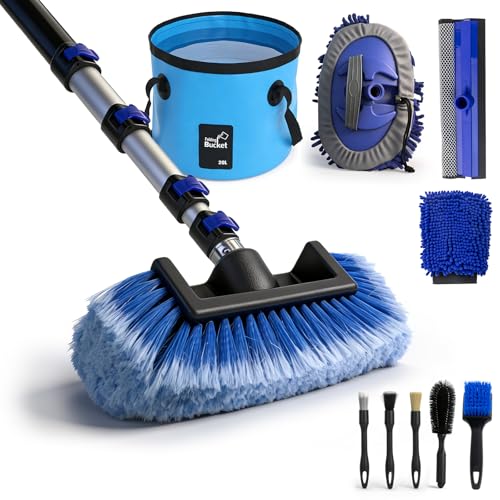
After cleaning, rinse thoroughly with water to remove any soap residue. Dry the surface with a clean cloth to prevent water spots.
- For rust spots, use a mixture of baking soda and water to create a paste. Apply the paste to the affected areas, let it sit for a few minutes, and then scrub gently.
- Once dry, applying a protective sealant can help prevent future corrosion.
Regular upkeep, ideally every few months, will maintain the beauty and durability of your outdoor seating.
Assessing the Condition of Your Outdoor Seating
Before proceeding with any maintenance, thoroughly inspect the surfaces for rust spots, scratches, or dents. Pay attention to joint connections and any areas where the coating might be chipped or worn. This will help determine the necessary steps for restoration.
Identifying Rust Damage
Look for signs of corrosion, particularly where moisture may collect. A simple scratch test with your fingernail can reveal underlying rust. If rust is present, it’s crucial to address it before applying any protective treatment.
Evaluating Structural Integrity
Examine the overall stability. Gently shake the pieces to check for wobbling or looseness in joints. This could indicate a need for re-tightening screws or bolts to ensure safety and durability during use.
Gathering Necessary Cleaning Supplies
Begin with a bucket to hold your cleaning solutions. Choose one that is sturdy and large enough for your needs. A sponge or soft cloth will prevent scratches while addressing stubborn grime.
Cleaning Agents
Select a mild detergent or a specialized solution designed for metal surfaces. A mixture of warm water and vinegar can also be effective against rust. Avoid harsh chemicals that may damage the finish.
Protective Gear
Wear gloves to shield your hands from cleaning agents. Safety goggles are recommended if you’re using sprays or abrasive tools. A mask can protect against dust and fumes.
Gather a soft-bristled brush or an old toothbrush to reach into intricate designs. Rags for drying are also necessary to prevent water spots.
Optional Tools
A pressure washer can expedite the process for larger pieces, but use it cautiously to avoid damage. If using this method, ensure a low-pressure setting.
By preparing these items beforehand, the upkeep becomes a straightforward task, ensuring your outdoor seating remains appealing and ready for use.
Removing Loose Dirt and Debris
Begin by using a soft-bristle brush or a handheld vacuum to eliminate any loose particles. Focus on corners and crevices where dirt tends to accumulate.
Step-by-Step Process
- Gently sweep or vacuum the surface, starting from one end and moving to the other. This will prevent dirt from settling back onto already cleaned areas.
- For stubborn debris, a damp microfiber cloth can be used to wipe down surfaces, ensuring that any residual particles are collected.
- Ensure that any tool you use does not scratch the finish; soft materials are ideal.
Special Areas to Target
- Check intricate designs or wrought patterns, as these areas can trap dirt effectively.
- Pay attention to the underside of seats and tables, where dust can build up unseen.
After removing the debris, assess the surface for any remaining patches needing further attention. This prepares the piece for a deeper wash.
Applying Cleaning Solutions for Rust and Stains
I recommend using a mixture of white vinegar and baking soda for tackling rust issues. This combination creates a chemical reaction that effectively breaks down corrosion. Apply the paste directly onto rusty areas using a soft cloth or sponge, allowing it to sit for at least 30 minutes before scrubbing gently with fine steel wool. Rinse thoroughly with water afterward.
For more persistent stains, a commercially available rust remover can be effective. Always follow the manufacturer’s instructions carefully. Wearing gloves and a mask is advisable to protect yourself from harsh chemicals.
Another option involves using soapy water. Mix warm water with mild dish soap and apply it with a soft brush. This solution works well on general stains and dirt. After scrubbing, rinse the surface with clean water to remove all soap residue.
In cases of heavy staining, I utilize lime juice blended with baking soda. Apply this mixture on the stained areas, letting it sit for about 15 minutes before rinsing. The acidity in the lime helps break down tough stains.
Always remember to test any solution on a small, inconspicuous area first to ensure it doesn’t damage the surface. Following these steps diligently will restore the beauty of my outdoor seating.
Scrubbing Techniques for Intricate Designs
For detailed patterns on your metal seating or tables, using a soft-bristled brush is key. I prefer brushes designed for delicate surfaces, which prevent damage while effectively clearing away dirt. Focus on areas with intricate scrollwork or carvings; these spots often trap more grime.
Utilizing Toothbrushes for Finer Details
A standard toothbrush works wonders for tight spaces. The bristles can reach corners that larger brushes miss. Dip the brush in a mild soapy solution, then gently scrub the patterned areas. Always rinse with clean water to remove any soap residue afterward.
Employing an Old Cloth for Final Touches
After using brushes, a damp microfiber cloth helps wipe down surfaces, ensuring no remnants of dirt remain. This technique allows a thorough inspection for any missed spots. Pay special attention to textured sections; a cloth can lift particles without the risk of scratching the finish.
Rinsing and Drying Your Furniture Properly
I begin the rinsing process by using a garden hose with a spray nozzle set to a medium setting. This prevents harsh pressure that could damage the surface. I spray down the entire structure, ensuring that all cleaning solutions and residues are thoroughly removed. Special attention goes to any crevices or intricate designs where dirt might accumulate.
After rinsing, I check for any remaining soap or cleaning agents by running my hand over the surface. If it feels slippery or coated, I repeat the rinsing until the finish feels clean. Allowing excess water to drip off is crucial; I tilt pieces slightly for improved drainage and to avoid pooling.
For drying, I opt for a soft, lint-free cloth. I gently wipe down the surfaces, absorbing any residual moisture. This step helps prevent new water spots and reduces the likelihood of rust formation. If it’s a sunny day, I may let the pieces air dry, but I monitor them to ensure they don’t stay damp for too long, as prolonged moisture can lead to corrosion.
In shaded areas, I ensure proper airflow to expedite drying. If necessary, I run a fan nearby to assist with moisture removal. Once completely dry, I perform a final inspection, checking for any missed spots that need attention. Taking these steps guarantees not only the cleanliness but also the longevity of my outdoor items.
Applying Protective Coatings After Cleaning
Once I’ve completed the thorough cleansing of my outdoor pieces, I move on to applying a protective finish to safeguard against future damage. Choosing the right product is crucial; I prefer either a rust-inhibiting spray or a clear sealant specifically designed for metal surfaces. These provide a barrier against moisture and rust.
I start by ensuring that the surfaces are completely dry. This step is vital, as any moisture can interfere with the adhesion of the coating. I typically allow 24 hours after cleaning before proceeding.
Next, I carefully read the instructions on the product label. Some coatings require shaking or mixing prior to application. Using a spray can or a brush, I apply an even layer, ensuring that I cover all areas, especially corners and crevices where moisture can accumulate.
I pay special attention to any previously rusted spots, applying an extra coat there to ensure thorough protection. It’s vital to maintain a consistent distance from the surface while spraying to avoid drips and runs.
After the first layer dries, I inspect for any missed spots and may apply a second coat for added protection. I find that waiting at least 2 hours between coats enhances the integrity of the finish.
| Coating Type | Application Method | Drying Time |
|---|---|---|
| Rust-inhibiting Spray | Spray or Brush | 1-2 hours |
| Clear Sealant | Brush or Roller | 2-3 hours |
Finally, I allow the sealed pieces to dry completely, ideally for 24-48 hours, before exposing them to the elements. This ensures a durable finish that will provide ongoing protection against rust, wear, and moisture damage.


