Caleb Turner

Using a mixture of warm water and mild detergent makes a fantastic solution for tackling grime on those seating covers. I find that a soft brush with synthetic bristles helps lift dirt without damaging the fabric. For stubborn stains, a paste of baking soda and water can be applied to the affected area. Allow it to sit for about 15 minutes before rinsing thoroughly.
For mildew, a spray made from equal parts water and white vinegar is highly effective. It’s vital to act quickly, as mildew becomes harder to remove over time. After applying the mixture, scrubbing with a brush helps achieve better results before rinsing with clean water.


Drying the covers in direct sunlight can aid in removing any residual moisture and prevent mildew from returning. Whenever possible, I recommend storing them in a dry space during the off-season to prolong their lifespan.
Cleaning Outdoor Seating Materials
To refresh those soft surfaces, I mix a solution of mild detergent and warm water. A soft brush is my go-to tool; it gently scrubs away dirt without damaging the fabric. I focus on any stained areas, applying extra solution there before rinsing thoroughly with a hose. It’s crucial to ensure all soap is removed to prevent any residue from attracting more dirt later.
Dealing with Stubborn Stains
For persistent marks, I create a paste with baking soda and water, applying it directly onto the stain. After letting it sit for about 15 minutes, I scrub lightly with a soft bristle brush, then rinse. If a stain remains, I repeat this method or consider a fabric-safe stain remover.
Drying and Protecting
Post-cleaning, I lay items flat in a shaded area to air dry. Direct sunlight can cause fading, so I take extra care to protect them. Once they are completely dry, I often use a fabric protector spray to help repel future dirt and moisture.
Assessing the Material of Your Cushions
Identify the fabric type of your seat pads to choose the correct cleaning approach. Common materials include polyester, acrylic, and cotton blends, each demanding different care methods. For synthetic textiles like polyester or acrylic, a mild detergent and water solution is generally safe and effective. If the fabric is cotton or another absorbent material, a more cautious technique may be required, as it can be prone to staining and fading.
To determine the material, check for labels or tags that specify the fabric composition. If missing, perform a burn test by burning a small piece of the fabric and observing its reaction; synthetic polymers usually melt and produce a plastic-like odor, while natural fibers burn cleanly and smell like charred paper.
| Material | Cleaning Method | Drying Instructions |
|---|---|---|
| Polyester | Use mild detergent with a soft brush | Air dry |
| Acrylic | Spot clean with warm soapy water | Allow to air dry completely |
| Cotton Blends | Machine wash on gentle cycle, cold water | Tumble dry on low heat or air dry |
After determining the material, ensure to follow specific care instructions to prolong the lifespan of your seating accessories. Additionally, applying a fabric protector post-cleaning can help repel stains and dirt, maintaining appearance and functionality for future use.
Gathering Necessary Cleaning Supplies
Begin with a bucket to mix cleaning solutions. A sturdy scrub brush with synthetic bristles is ideal for removing dirt and mildew without damaging fabrics. Microfiber cloths are excellent for wiping down surfaces and absorbing excess moisture.
Consider using a vacuum cleaner with a brush attachment to remove loose debris prior to scrubbing. This ensures a more thorough approach to any remaining stains.
Cleaning Solutions
Select a gentle detergent or a specialized fabric cleaner to tackle tougher grime. If opting for a homemade solution, mixing water and vinegar in equal parts can cut through mildew effectively.
For stubborn spots, a baking soda paste (baking soda mixed with water) can provide extra cleaning power. Just apply it to the affected areas and let it sit before scrubbing.
Protective Gear
Wearing gloves is essential to protect your hands from harsh chemicals, ensuring a safe cleaning experience. If using products with strong odors, a mask may also be beneficial.
Pre-Treatment for Stains and Mildew
I begin addressing stains and mildew by applying a specific pre-treatment solution directly to the affected areas. For light mildew spots, I mix equal parts of white vinegar and water in a spray bottle. This mild solution can effectively break down the mildew without damaging the fabric.
For tougher stains, such as grease or food marks, I use a few drops of dish soap combined with warm water. Gently dabbing this mixture onto the stain with a clean cloth allows me to lift away the grime before I proceed with deeper cleaning methods.
If the cushions have persistent stains, I consider a commercial stain remover specifically designed for fabric types. I always check the label to ensure compatibility before applying it. Spot testing in an inconspicuous area is essential to confirm there are no adverse reactions.
After treating stains, I allow any solution to sit for about 10 to 15 minutes, giving it time to penetrate the material. Finally, I rinse the pre-treated areas thoroughly with clean water to remove any residue, preparing the cushions for a more thorough cleaning process.
Washing Cushions by Hand or Machine
I prefer machine washing when the fabric allows it. Start by checking the care label; many materials can tolerate a gentle cycle. Use cold water and a mild detergent to avoid fading. It’s advisable to wash covers separately to reduce friction and ensure thorough cleaning.
Hand Washing Techniques
For fabrics that are delicate or not machine-safe, I find hand washing to be effective. Fill a large basin or tub with cold water and a suitable cleaner. Submerge the covers, allowing them to soak for about 15 minutes. Gently scrub any stubborn areas with a soft brush or cloth. Rinse thoroughly to eliminate any detergent residue, which can attract dirt.
Drying Methods
After washing, air drying is preferred. I lay the covers flat on a clean surface, reshaping them to prevent wrinkles. If machine drying is an option, I select a low heat setting and add dryer balls to enhance fluffiness. Always confirm that each piece is completely dry before reassembling to prevent mildew growth.
Drying Techniques to Prevent Damage
After washing the seat pads, I ensure they’re dried properly to avoid any harm. Here are the methods I recommend:
- Air Drying: I lay the cushions flat on a clean, dry surface in a shaded area. This prevents discoloration from direct sunlight. I flip them periodically for even drying.
- Hanging: If space allows, I hang the pads using a clothesline or over a railing. I use clothespins to secure them, ensuring airflow circulates around them.
- Use of Fans: When the weather is humid, I set up oscillating fans near the cushions to promote airflow and speed up the drying process.
- Towel Absorption: Prior to drying, I press a clean, absorbent towel over the cushions to remove excess water. This reduces drying time.
Avoid using a dryer as high heat can warp or damage the internal materials. I keep an eye on them until they’re completely dry to prevent mildew and odors.
Regular Maintenance Tips for Longevity
Inspecting your items regularly can prevent more significant issues. I schedule checks at least once a month to assess for wear and tear. This helps in catching any potential problems before they escalate.
- Rotate the cushions periodically to ensure even exposure to sun and weather, which can help reduce fading and deterioration.
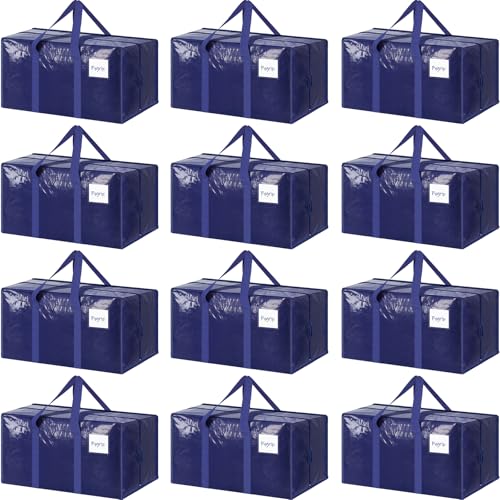
- Store items in a dry, sheltered place during extreme weather or off-season. Investing in storage bags can protect them from dust and pests.
- Use a waterproof spray once a season to repel moisture and resist mold growth, giving added protection against the elements.
Maintaining cleanliness is key. I brush off dirt and debris regularly before it settles deeply. A quick rinse with a hose can prevent buildup.
- Wipe down surfaces with a mild soap solution weekly to maintain freshness.
- Inspect for loose seams or stitching; early repairs can extend the lifespan significantly.
- Utilize covers to shield from UV rays and rain when items are not in use, enhancing durability.
Following these practices consistently can help sustain the appearance and function of your seating essentials for years to come.
Storage Suggestions for Off-Season Care
For optimal preservation during the off-season, store your seating fabric in a dry and well-ventilated area. Utilizing breathable fabric storage bags is beneficial as it prevents moisture buildup that can cause mildew.
Choosing the Right Location
Avoid outdoor sheds or garages that are prone to dampness. Instead, consider storing items in an attic, closet, or any indoor space where temperature and humidity levels remain stable. Elevate the items off the ground using pallets or shelves to further protect against dampness.
Preparation Before Storing
Ensure that all items are completely dry before placing them into storage to avert musty odors and mold growth. If disassembling is feasible, removing covers can occupy less space and allow for better ventilation. For layered storage, place heavier items at the bottom and lighter ones on top, ensuring no compression occurs on delicate parts.
FAQ:
What is the best method to clean outdoor patio furniture cushions?
The best method to clean outdoor patio furniture cushions involves a few simple steps. First, remove any loose dirt and debris by shaking them or using a vacuum with a brush attachment. Next, prepare a cleaning solution using mild soap and warm water. Use a soft brush or cloth to apply the solution to the cushions, scrubbing gently to avoid damage. Rinse thoroughly with water to remove soap residue, and then let the cushions air dry completely before placing them back. For stubborn stains, consider using a mixture of vinegar and water or a specialized fabric cleaner.
Can I use bleach to clean my patio cushions?
While bleach can effectively remove tough stains, it is generally not recommended for cleaning patio furniture cushions, especially if they are made of colored fabric. Bleach can cause discoloration and damage to the fibers. Instead, opt for a milder solution like soap and water or a fabric cleaner specifically designed for outdoor furniture. If your cushions are white and you want to use bleach, always dilute it and conduct a patch test on a small, inconspicuous area first.
How often should outdoor patio cushions be cleaned?
The frequency of cleaning outdoor patio cushions largely depends on how often they are used and the environmental conditions they are exposed to. As a general guideline, aim to clean them at least once every season, or more often if you notice visible dirt, stains, or mildew. If your cushions are frequently exposed to rain, pollen, or heavy use, consider cleaning them every few weeks to maintain their appearance and longevity.
Are there any specific products recommended for cleaning outdoor cushion fabrics?
Yes, there are several products that are effective for cleaning outdoor cushion fabrics. Look for mild detergents or all-purpose cleaners that are safe for fabrics. Many brands offer outdoor fabric cleaners specifically designed for this purpose. Additionally, stain removers that are safe for colored fabrics can also be useful for treating spots. Always read the labels to ensure the products are suitable for your particular cushion material.
What should I do if my outdoor cushions develop mildew?
If your outdoor cushions develop mildew, it’s essential to address the issue promptly. Start by brushing off any loose mildew with a soft brush. Then, create a mixture of equal parts water and white vinegar or a specialized mildew remover, and apply it to the affected areas. Let it sit for about 10-15 minutes before scrubbing gently. Rinse with water and allow the cushions to dry completely in the sun, as sunlight helps eliminate remaining spores. If mildew persists, consider using a fabric-safe bleach solution, but remember to test a small area first.
What are the best materials to use for cleaning outdoor patio furniture cushions?
When cleaning outdoor patio furniture cushions, it’s best to use mild soap and warm water. Look for non-abrasive cleaners that are safe for fabric use to avoid damaging the material. For deeper stains or mildew, a solution of vinegar and water can be effective. Always check the manufacturer’s labeling for any specific cleaning instructions related to the fabric of the cushions, as some materials may require particular care. Additionally, using a soft-bristled brush can help lift dirt without harming the fabric.