
 Caleb Turner
Regular inspections are essential. I make it a habit to check my outdoor seating for any signs of rust or wear. A quick visual assessment lets me address minor issues before they escalate. If I spot any rust, I gently scrub it with a fine steel wool or sandpaper, followed by a rinse with water. Drying thoroughly is crucial to prevent further corrosion.
Cleaning is equally important. I prefer using a mixture of warm water and mild soap to wipe down the surfaces. This solution effectively removes dirt without damaging the finish. After cleaning, a thorough rinse with a hose is necessary to wash away any residue. Once again, ensuring everything is dried completely avoids moisture retention.

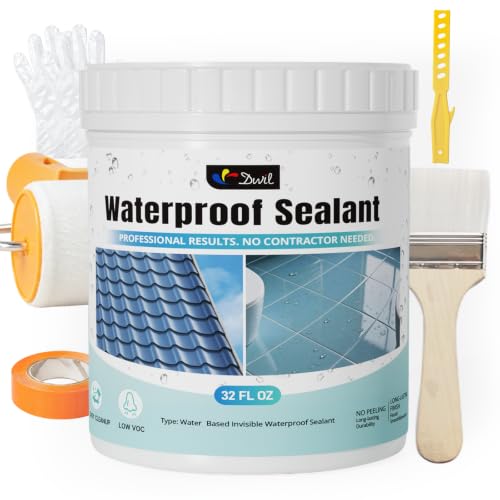

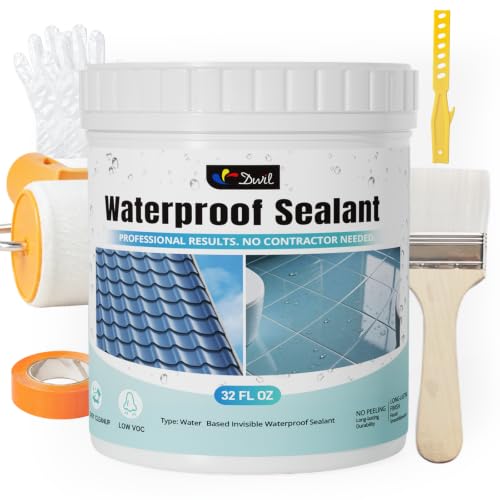
Protection from the elements is vital. I always consider using furniture covers during heavy rains or harsh winters, which can significantly extend the life of my pieces. If I store them indoors, I clean them properly to avoid bringing dirt and moisture inside. Additionally, applying a protective sealant once a year helps to preserve the metal and maintain its visual appeal.
Maintenance Tips for Metal Outdoor Seating
Regularly inspect surfaces for rust; address it immediately. Use fine-grit sandpaper to gently remove any corrosion, followed by a rust-inhibiting primer. Apply a high-quality outdoor paint to prevent further damage.
Cleaning Techniques
Use a mixture of mild detergent and warm water to clean. A soft sponge or cloth will prevent scratching. Rinse thoroughly with clean water and let it air dry to avoid water spots.
Seasonal Preparations
During winter, store items indoors or cover with weather-resistant tarps. Ensure they are completely dry to prevent moisture accumulation. In spring, inspect for damage and perform any needed touch-ups.
Cleaning Techniques for Wrought Iron Furniture
Use a soft-bristle brush or cloth to remove dirt and dust from surfaces regularly. This prevents debris build-up and keeps pieces looking fresh.
Mix a solution of warm water and mild dish soap. Apply this with a sponge or cloth, ensuring all corners and crevices are reached. Rinse thoroughly with clean water to eliminate any soap residues.
For tougher stains, create a paste using baking soda and water. Apply it to the stained areas, let it sit for 10-15 minutes, then scrub gently. Rinse well afterward.
If rust appears, use fine-grit sandpaper or a wire brush to remove it. Always follow up with a protective coating to prevent future corrosion.
For deeper cleaning, consider using a pressure washer on a low setting. Maintain a safe distance to avoid damaging the surface.
After cleaning, dry all parts completely to prevent moisture accumulation, which can lead to rust.
Avoid harsh chemicals, as they can strip the finish and damage the material over time.
When storing during off-seasons, cover with a breathable fabric to protect against dust and moisture.
Protecting Against Rust and Corrosion
To ensure longevity, a regular application of a protective sealant is essential. I recommend using a clear coat specifically designed for metal surfaces. Apply it once a year to create a barrier against moisture and oxidation.
For immediate protection, consider using a rust-inhibiting spray. It forms a protective layer and can be applied on areas prone to damage, especially after a deep clean or before the onset of wet weather.
Keep surfaces dry by avoiding prolonged exposure to rain or snow. If your set gets wet, dry it thoroughly with a soft cloth. Moisture trapped within crevices can lead to rusting.
Place coasters or mats under potted plants or decorative items to prevent moisture buildup. Regularly inspect these areas for any signs of bubbling or flaking paint, addressing those spots immediately.
Consider storing your pieces indoors or using protective covers during severe weather conditions or seasons when the risk of corrosion increases significantly. This proactive measure extends the lifespan of your decor.
Use mild soap and water for cleaning, steering clear of harsh chemicals that can strip protective finishes. After cleaning, ensure all parts are dried thoroughly to avoid standing water.
A quick visual check every few months can catch potential issues early. Look for rust spots and touch them up with a matching paint specifically formulated for metal. This small effort can help maintain the aesthetic and functional quality of your outdoor pieces.
Applying Protective Coatings and Paint
To ensure longevity and durability, I recommend applying a protective coating on metallic outdoor items. Select a high-quality rust-inhibiting primer, allowing for optimal bonding. After prepping the surface, follow these steps:
| Step | Details |
|---|---|
| 1. Clean the Surface | Remove dirt and debris using a mild soap solution. Rinse thoroughly and let dry. |
| 2. Sand any Rust | Use sandpaper or a wire brush to eliminate any rust spots, ensuring a smooth surface. |
| 3. Apply Primer | Choose a rust-inhibiting spray primer for an even coat. Allow it to dry per the manufacturer’s instructions. |
| 4. Select Paint | Opt for outdoor-rated paint, preferably satin or semi-gloss, which offers better protection. |
| 5. Paint Application | Use a spray or brush technique. Apply multiple thin layers, allowing drying time between coats. |
Regular maintenance of the finish is required. Inspect for scratches and chips, and touch up painted areas as necessary. A clear protective sealant can add an additional layer of defense, enhancing longevity.
Seasonal Storage Best Practices
Secure items in a dry, climate-controlled environment during off-seasons. This prevents moisture exposure and temperature fluctuations that can lead to deterioration.
Begin by cleaning thoroughly. Remove dirt, debris, and any residues that can trap moisture. A mixture of mild soap and water works effectively. Rinse and let pieces dry completely before storage.
Disassemble larger items if possible. This saves space and reduces the risk of damage during stacking or storage. Keep screws and bolts organized in labeled bags.
Use furniture covers made of breathable materials. These prevent dust accumulation while allowing air circulation, reducing the risk of mold and mildew.
Place items on a raised platform or pallets to avoid direct contact with the ground. This protects against moisture seeping from the floor.
Consider using silica gel packs or dehumidifiers in the storage area. These help maintain low humidity levels, offering added protection against rust.
Inspect stored items periodically. Look for signs of wear, rust, or pest infestation, and address any issues immediately.
Keep stored pieces away from sunlight, which can fade finishes and weaken materials over time. A shaded or dark area is optimal.
On returning items outdoors, perform a quick check. Look for any signs of damage that may have occurred during storage and carry out necessary maintenance.
Repairing Scratches and Damaged Areas
To restore the appearance of damaged pieces, I recommend following a structured approach:
- Assess the Damage: Identify the severity of scratches or dents. Determine if there is underlying rust or just a superficial imperfection.
- Clean the Area: Use a mild soap and water solution to clean the scratched surfaces. Make sure to remove dirt and debris to promote adhesion during repairs.
- Sand the Scratch: Gently sand the scratched area using fine-grit sandpaper. I typically use 220-grit paper, which helps smooth the surface without gouging.
- Apply a Primer: Use a rust-inhibiting primer on the sanded area to help prevent future corrosion. I recommend using a spray primer for even application.
- Touch-Up Paint: Once the primer dries, apply touch-up paint that matches the original color. I often opt for a professional-grade spray paint designed for metal surfaces.
- Seal the Finish: After the paint dries completely, I apply a clear sealant to enhance durability and maintain the finish.
For deeper damage, consider using a metal epoxy to fill in larger scratches or dents. Follow the manufacturer’s instructions for proper mixing and application.
Regularly inspecting and addressing minor damages will prolong the life of these items and maintain their aesthetic appeal. Each time I perform repairs, I ensure to handle the materials safely, following the necessary precautions.
Choosing the Right Cushions and Fabrics
Select moisture-resistant materials like solution-dyed acrylic or polyester for cushions. These fabrics resist fading and are easy to clean. Incorporating inner foam with quick-drying properties enhances comfort and durability.
Opt for removable covers with zippers to facilitate washing. Look for UV-resistant textiles to ensure color retention during sun exposure. Additionally, consider patterns that complement the style of your outdoor seating.
When selecting colors, choose shades that harmonize with the surrounding decor while also being practical for outdoor use. Darker tones may hide stains better but lighter hues can brighten your space.
Pay attention to thickness; thicker cushions provide more comfort but may require more maintenance. Pairing cushions with tied or Velcro fastenings ensures stability against wind.
Lastly, investing in a storage solution for cushions during adverse weather conditions can significantly prolong their life, maintaining their aesthetic appeal and functionality.
Inspecting and Tightening Hardware Regularly
I recommend a thorough inspection of all bolts, screws, and connections on a regular basis, ideally at the beginning and end of each season. Loose hardware can lead to instability and discomfort. It’s essential to check for any signs of wear, rust, or damage on fixtures like hinges and brackets.
To tighten screws and bolts, use appropriate tools such as a socket wrench or screwdriver. Avoid over-tightening, as this can strip threads or cause fractures in the metal. Address any loose parts immediately to prevent further issues. Make it a routine to inspect the seating areas, table legs, and any movable components.
If I notice any rust on the hardware, I sand it down and apply rust-inhibiting paint before reassembling. This extra step helps maintain structural integrity and enhances the longevity of the framework. Keeping a small toolkit handy can be beneficial to address these maintenance tasks quickly.
Staying proactive in monitoring and adjusting hardware will ensure continued comfort and safety while enjoying an outdoor setting. Keeping everything snug not only promotes stability but also contributes to a polished appearance.
Dealing with Mold and Mildew Issues
Regular inspection is crucial when it comes to mold and mildew on metal outdoor seating. If I notice dark spots or patches, immediate action is necessary. I mix equal parts of water and white vinegar, applying the solution with a soft cloth or sponge directly onto the affected areas. This mixture is effective in killing mold without causing damage to the surface.
Prevention Techniques
To minimize future occurrences, I ensure that my outdoor seating is stored in a dry area, especially during humid months. Covering the items with breathable fabric protects them from moisture while allowing ventilation. Additionally, maintaining clean surfaces by wiping down the furniture regularly helps prevent mold spore accumulation.
Addressing Severe Infestations
If the problem escalates, I resort to a more potent cleaning solution. A diluted bleach application–one part bleach to ten parts water–serves as a strong remedy. Carefully, I scrub the affected area with a brush, ensuring to wear gloves and a mask for safety. Rinsing thoroughly afterward is important to remove any residue.
Finally, ensuring good airflow around seating is vital. I tend to space out items when arranged to promote air circulation, creating an unwelcoming environment for mold and mildew to thrive.
Tips for Maintaining Aesthetic Appeal Over Time
Regularly inspect your pieces for any signs of wear or damage. Touch up any scratches or worn areas immediately to prevent further deterioration. A simple coat of paint can restore the original finish and prevent rust from forming.
Color Choices
Select neutral or earthy tones that complement your outdoor space. These hues tend to blend well with natural surroundings and resist trending out of style. Consider seasonal changes when choosing colors; they should harmonize with your garden or landscape.
Accessorizing
Incorporate colorful cushions and throws that can be updated each season. Choose weather-resistant fabrics for longevity while still embracing vibrant prints or patterns to enliven the overall look. Change these soft goods to match seasonal themes or personal style shifts.
| Season | Color Scheme | Cushion Ideas |
|---|---|---|
| Spring | Pale pastels | Floral prints |
| Summer | Bright blues and greens | Stripes or bold patterns |
| Autumn | Warm earth tones | Plaid or checks |
| Winter | Deep reds and greens | Solid colors with cozy textures |
Incorporating potted plants or decorative stakes can also elevate the visual appeal. Select foliage that varies in height and texture for added interest. Keep the areas around the seats tidy and free from debris to maintain a polished look.
Finally, store items properly during adverse weather conditions. Using protective covers or storing them indoors helps retain their beauty and structural integrity over time.


