
 Caleb Turner
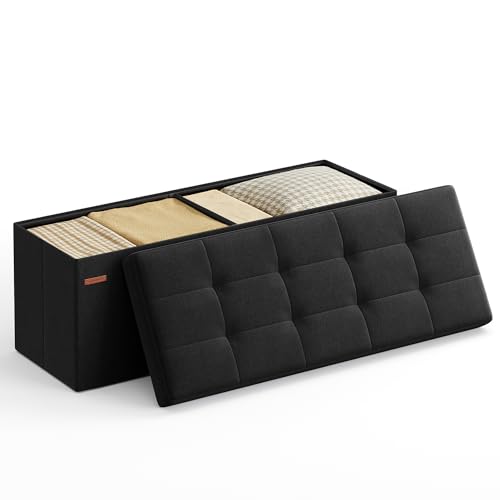
Choosing multifunctional pieces is key. Opt for a sofa bed or an ottoman with storage to maximize utility without overwhelming the area. This allows for accommodating guests while providing additional storage for blankets or games.
Positioning is crucial to achieve a sense of openness. Place larger items against the walls to create a clear pathway and enhance flow. Use rugs to define different areas, visually separating dining or relaxation zones.
Lighting can transform ambiance. Incorporate a blend of natural light and layered illumination, such as floor lamps and wall sconces. This combination adds depth and warmth to your compact environment.


Incorporating mirrors strategically can create an illusion of extra space and amplify light. A well-placed mirror can serve as a decorative element while making the area feel more expansive.
Color schemes matter too. Light, neutral shades can create a serene backdrop. Add accents through cushions or artwork to personalize your space without cluttering it.
Optimizing Your Cozy Space
Choosing multipurpose pieces is key. A sofa bed serves dual functions, providing seating by day and transforming into a sleeping area at night. Consider a coffee table that doubles as storage; this helps keep clutter at bay. Opt for lightweight chairs that can be easily moved around for various activities.
Effective Layout Techniques
Position larger items against the walls to create a sense of openness. Use area rugs to define spaces and create visual separation for different activities, such as relaxation or socializing. Arrange seating in a semi-circular format to promote conversation and togetherness.
Utilizing Vertical Space
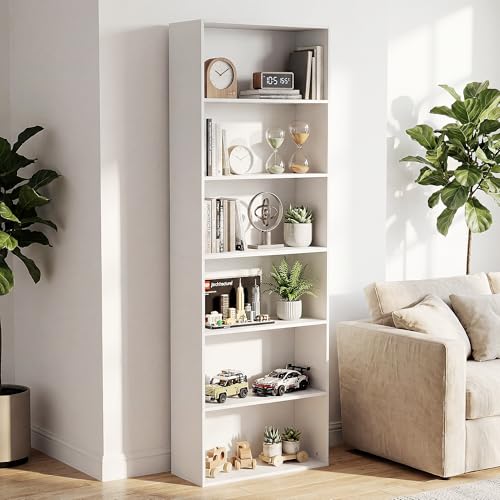
Incorporate wall-mounted shelves for books and decor, drawing the eyes upward. Hooks and pegboards can store items like bags and accessories, freeing up floor space. Tall plants or slender bookcases can add height and a touch of greenery without overwhelming the area.
Choosing the Right Furniture Size
Select pieces that maximize space utility. Opt for a sofa with a depth of 30 inches and a width of 72 inches for comfortable seating without overwhelming the area. Avoid oversized armchairs; instead, consider accent chairs around 28 inches wide. This allows for ease of movement and prevents a cramped atmosphere.
Proportional Dimensions
Balance is key. Measure the area carefully and ensure that each item holds good proportions. A coffee table should ideally be around 18 inches high and two-thirds the length of your sofa to maintain harmony. For side tables, one with a height of 24-26 inches complements standard seat heights well.
Multi-Functional Options
Look for versatile items. A storage ottoman serves dual purposes and should not exceed 18 inches in height to maintain function. Shelving units can also act as room dividers while maximizing vertical space. Keep aisles clear and allow at least 24 inches of clearance for comfortable movement.
Layout Options for Maximizing Space
Opting for a diagonal arrangement can create an illusion of increased space. Position a sofa or a chair at an angle rather than flush against the walls. This not only opens up sight lines but also adds a dynamic element to the ambiance.
Zone Creation
Utilize rugs to define separate areas within the area. A clearly defined zone for relaxation can be established by placing a soft rug under a coffee table and seating. This separation tricks the eye into perceiving distinct functional areas, which contributes to a more spacious feeling.
Multi-functional Pieces
Selecting items that serve multiple purposes is key. A coffee table with storage or an ottoman that doubles as seating are practical choices. These elements minimize clutter while maximizing utility, which frees up square footage for movement.
Incorporating Multi-Functional Pieces
Invest in a sofa bed to maximize utility; it transforms from comfortable seating to a cozy sleeping area for guests. Consider a storage ottoman that serves as both a footrest and a discreet storage solution for blankets or magazines.
A coffee table with shelves or drawers is practical, providing surface space while keeping items organized and out of sight. Look for nesting tables that can be separated when needed and tucked away for more room.
Wall-mounted shelves can replace bulky bookcases, offering display space without taking up floor area. Use furniture that can be easily moved, such as lightweight chairs or collapsible tables, to adjust the layout according to your activities.
Choose a console table that doubles as a workspace or a dining option, allowing versatility. Accent chairs that include hidden storage or can stack ensure you have extra seating without cluttering the space.
Utilizing Vertical Space for Storage
Maximize vertical storage through strategically placed shelves and wall-mounted units. This not only increases storage capacity but also draws the eye upward, creating an illusion of a taller space.
Types of Vertical Storage Solutions
- Shelves: Install floating shelves above furniture to display books, plants, or decorative items without consuming floor space.
- Bookcases: Tall bookcases can house a variety of items from literature to decor, providing functional and aesthetic benefits.
- Cabinets: Use narrow, vertical cabinets for a sleek appearance, ideal for storing items out of sight.
- Hooks: Wall hooks for coats, bags, or accessories free up floor space and add character to the area.
Enhancing Visual Appeal
- Color Coordination: Paint shelving units the same color as the wall to create a seamless look.
- Open vs. Closed Storage: Incorporate a mix of open shelves and cabinets to provide both display and hidden storage.
- Layering: Use stacked boxes or baskets on shelves to add depth and create an organized appearance.
Utilizing vertical space effectively can transform that cozy area into a stylish and functional haven. By incorporating various vertical storage solutions, the ambiance remains uncluttered while accommodating essential items efficiently.
Creating a Focal Point in a Small Space
I recommend selecting a striking piece of art or a bold-colored sofa as the centerpiece. This immediately draws attention and sets the tone for the entire area.
If opting for a painting, choose one that resonates with your personal style and complements the color palette. A large canvas can create depth, making the environment feel more expansive.
With a furniture item like a vibrant couch, its hue acts as an anchor, allowing other decor elements to harmonize. Add accent pillows or a throw blanket that match the focal piece to pull the look together.
Incorporating lighting is crucial; a stylish floor lamp or statement chandelier can enhance the focal area, making it visually appealing. Accent lighting can also add warmth, enhancing the ambiance.
Positioning furniture around the focal point directs attention where you want it. Arrange seating to facilitate conversation while highlighting this central aspect. Consider a circular layout for added intimacy.
Add complementary elements that support the main feature, such as side tables or decorative plants, ensuring they don’t overshadow but rather enhance the key item.
Lastly, avoid overcrowding; leaving some space enhances visibility, ensuring that your chosen centerpiece stands out effectively.
Arranging Seating for Comfort and Flow
Position seating to enhance interaction while maintaining ease of movement. Create an inviting space by placing chairs and sofas in a way that encourages conversation. For instance, I often angle seating towards each other, avoiding strict lines. This layout fosters a sense of intimacy and connection.
Ensure there’s enough distance between pieces for effortless navigation. A minimum of 18 inches between coffee tables and sofas allows for accessibility without sacrificing comfort. I find that a clear pathway through the area boosts the overall functionality of the setting.
Use area rugs to define distinct zones. A well-placed rug under the seating arrangement can visually anchor the space, making it feel more cohesive. Choose lighter colors for textiles to create a spacious impression.
Consider your personal style in cushion placement. Throw pillows can create an inviting look while adding comfort. I frequently use various sizes and textures to enhance visual interest and ensure a cozy seating experience.
Finally, don’t forget about the scale of elements. I recommend keeping oversized chairs or sofas to a minimum to prevent overcrowding. Instead, opt for streamlined pieces that blend style and functionality, ensuring the area remains open and airy.
Selecting Colors and Patterns to Enhance Space
Choose a light color palette for walls and larger furniture elements. Soft shades like pastel blues, light grays, or creamy whites can create an illusion of openness. Darker hues are best reserved for accents, as they can make the environment feel more confined if overused.
Contrasting Accents
Incorporate deeper colors through throw pillows, rugs, or artwork. This approach provides visual interest without overwhelming the space. For example, a navy blue cushion on a beige sofa adds depth and style.
Patterns and Textures
Select patterns that are subtle and not overly busy. Geometric designs or simple stripes can enhance the aesthetic without cluttering the visual space. Natural textures, such as linen or cotton, can contribute warmth and tactility to the atmosphere.
| Color Choices | Recommended Patterns | Furniture Textures |
|---|---|---|
| Pastel Blue | Geometric | Cotton |
| Light Gray | Stripes | Linen |
| Creamy White | Subtle Floral | Wood |
| Navy Blue (Accents) | Minimalist | Leather |
Mixing colors within the same palette can unify the design, while maintaining a balance between light and dark can make the area more dynamic. Use accessories to pull together the color scheme, ensuring that all components feel cohesive and inviting.
Adding Personal Touches Without Clutter
Incorporate a cohesive theme throughout your space by choosing decor items that reflect your style. This ensures that each piece contributes to a unified look instead of overwhelming the area.
Choosing Meaningful Decor
- Select artwork that resonates with you, whether it’s photographs from your travels or pieces that evoke emotions.
- Incorporate family heirlooms or sentimental items, but limit the number to a few powerful pieces to avoid visual chaos.
- Opt for decorative objects that serve a purpose, such as stylish bowls or trays that can hold miscellaneous items.
Optimizing Display Areas
Utilize shelves or wall-mounted brackets to showcase personal belongings without consuming floor space. Group items in odd numbers for visual interest and balance.
Limit collections to a few key highlights, rotating them occasionally to keep your environment fresh and engaging. This method prevents clutter while maintaining a dynamic and personalized atmosphere.
Lastly, remember that negative space is as significant as the items you choose to display. Allow breathing room around decor, emphasizing each piece’s importance and keeping the overall aesthetic neat.


