
 Caleb Turner
The emission period for recently acquired home décor typically ranges between two weeks to several months, depending on materials and manufacturing processes. To facilitate this, I recommend airing out the space by keeping windows open and utilizing fans to promote airflow.
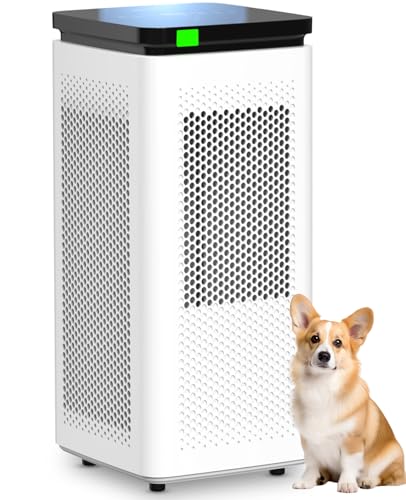
For those sensitive to odors or volatile organic compounds (VOCs), using an air purifier with a HEPA filter can notably aid in reducing harmful particles in the air. Regular cleaning of the items, while they are still releasing substances, also contributes to lowering exposure levels.
In addition, maintaining humidity levels between 30% and 50% can be supportive in minimizing emissions. It’s prudent to place furniture in a well-ventilated area during the first few weeks post-delivery, allowing any residual chemical odors to dissipate efficiently.

Duration of Emission from Recent Acquisitions
I recommend allowing around 2 to 4 weeks for items to adequately release harmful substances. This timeframe can vary based on materials and environmental factors such as temperature and ventilation. A well-ventilated space enhances the process, accelerating the dissipation of volatile organic compounds (VOCs).
Factors Influencing Emission Rates
Materials play a significant role; for instance, pressed wood products generally release contaminants more intensely than solid wood. During warmer conditions, the gassing process typically intensifies, leading to quicker evaporation of potentially harmful compounds. Regularly airing out the area can further expedite this release.
Recommendations for Mitigation
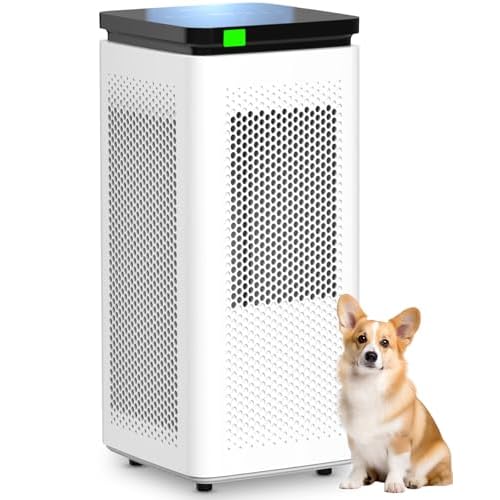
To minimize exposure, use air purifiers equipped with activated carbon filters, which efficiently capture VOCs and other pollutants. It is also beneficial to keep windows open to ensure a constant flow of fresh air. Purchasing items labeled as low-emission or certified by environmental standards can reduce risks significantly.
Understanding Off-Gassing: What It Means for Furniture
Off-gassing refers to the release of volatile organic compounds (VOCs) from materials used in household items. These emissions can occur in various products, including seating, desks, and cabinetry. It’s essential to recognize the implications of these emissions for indoor air quality.
VOCs are chemicals that can cause potential health concerns, including headaches, dizziness, or allergic reactions. When selecting home items, opting for those labeled as low-VOC or free of harmful materials is advisable. Look for certifications such as Greenguard or OEKO-TEX that indicate reduced chemical emissions.
Ensuring adequate ventilation in the area where these items are placed can significantly mitigate exposure to harmful fumes. Keeping windows open and utilizing air purifiers can help improve air quality and decrease the intensity of chemical odors.
Additionally, waiting for a specific period after bringing these items home can further reduce emissions. Typically, the first few weeks are critical, but extending the airing-out period over a month can provide further benefits.
In summary, being informed about the components of your household additions allows for safer living spaces. Understanding the implications of off-gassing and implementing proactive measures can significantly enhance indoor air quality.
Types of Materials That Contribute to Off-Gassing
The impact of materials utilized in crafting items on indoor air quality cannot be ignored. Specific substances are known for releasing volatile organic compounds (VOCs) that contribute to air pollution. These emissions can be harmful, especially in confined areas.
Composite Wood
Composite wood products, like particleboard and MDF, are often bound with adhesives that may contain formaldehyde. This chemical can volatilize and remain noticeable for an extended period, affecting health and comfort levels. Selecting certified products that adhere to low-emission standards can mitigate these risks.
Synthetic Fabrics
Textiles made from artificial fibers, such as polyester and nylon, may also contribute to air quality concerns due to chemical treatments and dye processes. These materials might off-gas for weeks following their introduction into a space. Opting for natural fabrics, such as cotton or linen, can reduce exposure to potentially harmful chemicals.
Understanding the makeup of items aids in making informed decisions regarding indoor environments. By choosing materials with lower emissions, I can create a healthier living space.
Factors Influencing the Duration of Off-Gassing
The period for volatile substances to dissipate varies significantly based on several elements. Material composition is a primary factor; substances such as particle board, certain types of foam, and treated woods are known to release more gases compared to solid hardwoods.
The manufacturing process also plays a critical role. Furniture produced using adhesives or finishes that contain organic compounds may emit odors for extended periods. Products from reputable manufacturers often have lower levels of harmful emissions, as they may adhere to stricter regulations.
Environmental conditions can accelerate or prolong the dissipation phase. For instance, increased heat and humidity can amplify the release of gases, while good ventilation in the area can facilitate faster circulation and diminish lingering odors.
Age of the item impacts the off-gassing timeline as well. Older pieces may have already emitted a significant portion of their volatile substances, in contrast to completely new acquisitions. If possible, letting the item air out in a well-ventilated space prior to regular use is advisable.
Usage patterns can affect how quickly gases are released. Items that are frequently disturbed or exposed to light may release substances at different rates than those kept in a static environment.
Lastly, individual sensitivity to odor varies. Some may perceive and be affected by emissions more acutely than others, although the actual chemical changes may be similar.
Signs That Off-Gassing is Occurring
Notice an unusual chemical odor emanating from recent acquisitions; this can be an initial indication of substance release. Persistent headaches or dizziness may arise after spending time near the item, highlighting potential exposure to volatile compounds.
Monitor for hypersensitivity reactions such as skin irritation or respiratory discomfort. These symptoms could signal that harmful particles are being emitted into the air. If you observe an increase in allergy-like symptoms, it may warrant further investigation into the materials used in the construction of the item.
Check if there is a noticeable accumulation of dust or a film on surfaces nearby, as this can suggest that particles are being released and settling on your home’s furnishings. Additionally, if the scent of the item changes or intensifies during specific weather conditions, such as increased humidity or heat, this might confirm ongoing release of compounds.
Consider regular air quality assessments in living spaces. Elevated levels of certain indoor pollutants may correlate with new items brought into the environment. Implementing proper ventilation can reduce indoor concentrations and aid in alleviating any associated health disparagements.
Observe changes in your indoor environment’s olfactory profile. A distinct and prolonged scent, which does not dissipate, suggests that the product continues to emit vapors. Following these signs and reacting accordingly can mitigate potential health risks linked to exposure.
Reducing Exposure to Emissions from Furniture
Ensure adequate ventilation in your space. Open windows and doors to allow fresh air to circulate, effectively diluting any harmful substances in the environment. Utilize fans to enhance airflow.
Selecting Low-Emission Alternatives
- Opt for pieces made from solid wood, metal, or glass instead of those featuring composite materials.
- Choose items labeled as low-VOC (volatile organic compounds) or certified by credible organizations, ensuring they meet specific emission standards.
Aftercare Practices
Allow items to air out in a well-ventilated area for several days prior to bringing them indoors. Place them outside on a dry, sunny day, if possible. Regularly clean surfaces with a damp cloth to minimize dust and residues.
Monitor indoor humidity levels; maintaining them between 30-50% can reduce the intensity of emissions. Consider using air purifiers with activated carbon or HEPA filters to effectively capture pollutants.
Be attentive to your surroundings. If you notice unusual odors or symptoms such as headaches or respiratory discomfort, increasing ventilation and reconsidering the placement of any items may be beneficial.
Optimal Ventilation Practices for New Items
To ensure proper air circulation around fresh acquisitions, create a cross-ventilation system by opening windows on opposite sides of the room. This facilitates the exchange of indoor and outdoor air, effectively reducing concentrations of airborne compounds.
Maintain a consistent airflow by using fans strategically placed to direct air towards the open windows. Consider box fans or oscillating ones that can create a draft, increasing the dispersal of volatile organic compounds.
For optimal results, keep windows open for at least 48 hours after bringing in new items to maximize the removal of emissions. If the weather permits, extending this period can further enhance air quality.
In smaller spaces, place the item in a well-ventilated area away from tight corners or enclosed spaces. Avoid covering it with sheets or plastic during this time, as this can trap residues and odors.
| Ventilation Method | Recommended Duration |
|---|---|
| Open Windows | 48+ hours |
| Use of Fans | Continuous During Ventilation |
| Air Purifiers | As Needed |
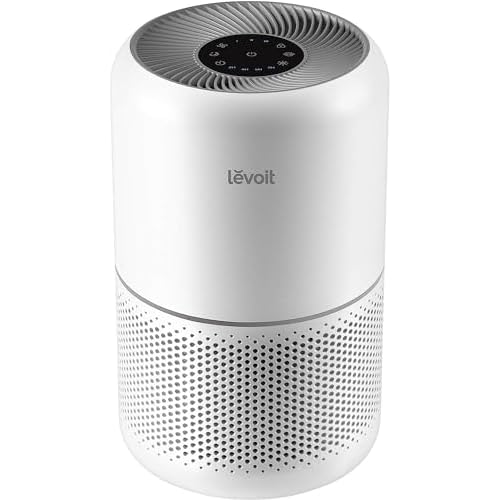
Incorporating air purifiers equipped with activated carbon filters can enhance air quality by absorbing harmful compounds, especially in closed environments. Regularly replace filters as per the manufacturer’s guidelines to maintain effectiveness.
Surrounding elements also play a role; avoid placing new items too close to heating sources or direct sunlight, which can influence the release of compounds. Instead, position them in well-ventilated areas that receive indirect light.
Monitoring air quality using a home sensor can help gauge when air levels return to safe standards, allowing for a more informed approach to introducing new items into living spaces.
Monitoring Indoor Air Quality After Purchase
I recommend using a high-quality air quality monitor to track levels of volatile organic compounds (VOCs) in your space. These devices provide real-time data on pollutants, allowing for immediate action if harmful substances are detected.
Ensure that the monitor can detect specific compounds typically associated with indoor pollutants from household items and surfaces, including formaldehyde and benzene. Regularly check the readings and compare them to the recommended safe levels.
Avoid relying solely on instinct or smell; many harmful chemicals are odorless. Setting up alerts on your monitor can help in maintaining a safe environment, particularly after introducing new items into your home.
Mistakes can happen; therefore, if you observe fluctuating air quality, I advise increasing ventilation or using air purifiers equipped with activated carbon filters to reduce VOC concentrations effectively.
Keep a log of air quality data over time to identify trends connected with particular purchases or renovations. This proactive approach can assist in managing exposure levels and ensuring a healthier living space.
Consider conducting a thorough assessment after bringing in new items. This assessment may involve keeping windows open to enhance airflow and reduce trapped pollutants, or running exhaust fans in rooms with major updates.
When to Seek Professional Advice on Off-Gassing
Consult a specialist in the following situations:
- If persistent odors are present after a significant time since acquisition.
- When experiencing unexplained health issues, such as headaches, respiratory problems, or allergic reactions.
- If there are concerns regarding the materials used in your item, especially those known for harmful emissions.
- When planning to introduce multiple items at once into a space, increasing exposure levels while dealing with disposal of older pieces.
- If the size of your living area restricts airflow, making it difficult to ventilate effectively.
- When you are unsure about the emission standards and regulations applicable to the products you have purchased.
Types of Professionals to Consult
Consider reaching out to the following experts:
- Indoor air quality specialists for assessing overall air safety.
- Environmental engineers familiar with product emissions.
- Health professionals, especially allergists or respiratory therapists, who can provide insights on any personal health impacts.
- Home inspectors trained in identifying ventilation issues and sources of emissions.
Taking action early can lead to improved air quality and health. Don’t hesitate to seek advice if you suspect an issue arises.


