
 Caleb Turner
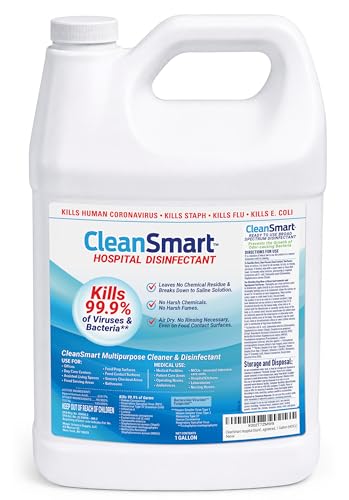
The viability of viral particles on various household surfaces can vary significantly. Research indicates that these microorganisms can remain infectious on materials like plastic and stainless steel for up to several days, while porous surfaces, such as fabric or wood, may harbor them for shorter periods–typically hours to one day.
To mitigate the risk of transmission, it’s advisable to regularly clean and disinfect high-touch areas. Using EPA-approved disinfectants and following the manufacturer’s instructions for contact time greatly enhances the elimination of potentially harmful agents. For intricate surfaces, such as upholstery, a vacuum with a HEPA filter can be beneficial in removing debris and particles.
In practice, waiting at least 24 hours before accessing shared spaces or items after they have been in contact with others can be prudent. Staying informed of ongoing research and adapting cleaning habits based on the latest findings will help maintain a healthier living environment.
Duration of Pathogens on Surfaces
Research indicates that viruses can persist on various surfaces for distinct periods. Soft materials may support survival for up to 2 days, while hard, non-porous substrates can retain virus particles for several days. Regular disinfection is advised for high-touch areas.

Survival Times on Different Materials
| Material | Survival Duration |
|---|---|
| Plastic | 3 days |
| Stainless Steel | 2-3 days |
| Cardboard | 24 hours |
| Wood | 4 days |
| Fabric | Up to 2 days |
Recommendations for Cleaning
Utilizing EPA-approved disinfectants can significantly reduce the presence of virus particles. Regular routine cleaning with soap and water is also beneficial. Focus on frequent touchpoints such as doorknobs, remote controls, and light switches. Always follow manufacturer guidelines for sanitizing specific materials to ensure both effectiveness and preservation of surfaces.


Duration of Virus on Different Materials
Research indicates that the presence of the virus can persist on various surfaces for differing durations. This variability is influenced by the material composition and environmental factors such as humidity and temperature. Here’s a breakdown of how different substances interact with the pathogen.
Material Breakdown
| Material | Estimated Duration |
|---|---|
| Plastic | Up to 72 hours |
| Stainless Steel | 2 to 3 days |
| Cardboard | Up to 24 hours |
| Glass | Up to 4 days |
| Textiles | Up to 2 days |
Regular cleaning and disinfection of surfaces is crucial, especially for materials like plastic and metal, which tend to retain contaminants for extended periods. Use EPA-approved disinfectants tailored for the specific surface to effectively eliminate the virus.
Factors Affecting Survival Time of SARS-CoV-2 on Surfaces
Temperature plays a significant role in how persistent the virus is on various materials. Higher temperatures typically reduce viability, while cooler conditions extend it. For instance, research indicates a marked decrease in survivability at temperatures above 30°C.
Humidity also influences stability. Increased moisture levels can lead to quicker decay of the virus, while dry environments often facilitate longer survival durations. For example, low relative humidity (around 20%) has been shown to support extended lifespans, whereas high humidity (over 60%) generally shortens them.
Material Composition
The type of surface material directly impacts the duration of the virus’s presence. Non-porous surfaces, like metal and plastic, allow for longer persistence compared to porous materials such as fabric or wood. Metals can allow the virus to survive for several hours to days, while porous surfaces may render it inactive within hours.
Presence of Contaminants
Common residues such as dust, dirt, or other organic materials can either protect or hinder the virus. For example, a layer of dust may provide a protective microenvironment, allowing the virus to remain viable longer. Conversely, cleaning with disinfectants will significantly reduce or eliminate the virus’s viability on surfaces.
Comparative Longevity of COVID-19 vs. Other Viruses on Surfaces
Research indicates that SARS-CoV-2, the virus responsible for the pandemic, remains viable for extended periods on various surfaces, outperforming several common pathogens. For instance, studies show that it can endure on plastic and stainless steel for up to 72 hours, while influenza viruses tend to survive around 24 to 48 hours under similar conditions.
When comparing this virus with others like norovirus, the latter can persist on surfaces for much longer, up to several weeks, highlighting its resilience in contaminated environments. In contrast, bacteria such as E. coli generally have a shorter lifespan, typically lasting hours to a few days on surfaces less conducive to their survival.
Another notable comparison can be made with the common cold virus; these tend to last for hours to a couple of days, significantly shorter than the duration observed for SARS-CoV-2. This data emphasizes the varied survival rates of different pathogens and underscores the need for routine disinfection practices to mitigate transmission risks.
My advice is to focus cleaning efforts on high-touch areas and ensure that disinfectants are appropriate for the specific materials being treated. Regular sanitization combined with good ventilation can drastically reduce the risk of surface transmission from all viruses, including SARS-CoV-2.
Best Practices for Cleaning Surfaces to Reduce Virus Spread
Utilizing a disinfectant with at least 70% alcohol concentration is highly effective for sanitizing surfaces. Apply it directly onto the material and allow it to air dry for maximum impact.
Recommended Cleaning Routine
- Daily wipe-downs of high-touch areas, such as tables and armrests, using disposable or washable cloths.
- Utilize EPA-approved disinfectants that state their effectiveness against viruses on labels.
- Include specialty materials–wood and upholstery–by using appropriate cleaning products to prevent damage.
Safety Precautions
- Ensure proper ventilation in the area while cleaning to reduce inhalation of chemical fumes.
- Wear disposable gloves when handling cleaning agents, and wash hands thoroughly post-cleaning.
- Test cleaning solutions on hidden areas to check for any reactions before proceeding with large patches.
By implementing these methods regularly, I can significantly decrease the risk of pathogen transmission on household surfaces.
Role of Humidity and Temperature in Virus Persistence
Maintaining optimal humidity and temperature levels is crucial for reducing contamination risks. High humidity can facilitate rapid decay of pathogens on various surfaces, while low humidity tends to prolong their viability. Aim for indoor humidity levels between 40% and 60% for best results.
Temperature Impact
Temperature plays a significant role as well. Higher temperatures generally decrease virus survivability. Recommended surface temperatures are above 22°C (72°F). At these levels, the lifespan of infectious agents drops considerably.
Humidity and Temperature Interaction
The synergy between humidity and temperature can significantly affect how long pathogens can remain infectious. Consider the following:
- Relative humidity above 70% can drastically reduce pathogen viability, especially at higher temperatures.
- Conversely, cold environments with low humidity can preserve pathogens for extended periods.
- Utilizing air conditioning can regulate both parameters, thus reducing risks in enclosed spaces.
For effective disinfection strategies, monitor both humidity and temperature in rooms with high foot traffic. Adjusting these conditions can serve as an additional layer of defense against potential infections.
Signs of Contamination: How to Identify Infected Surfaces
To recognize potentially contaminated areas, I rely on specific indicators. Here are key signs to look for:
- Visible Residue: Stains, smudges, or a film on surfaces can indicate the presence of pathogens. Pay attention to high-touch areas such as doorknobs and light switches.
- Change in Texture: Altered surface feel may suggest contamination. If a normally smooth surface feels sticky or tacky, it may require immediate cleaning.
- Unusual Odors: Foul smells often accompany microbial activity. If a surface emits an unpleasant odor, it may be contaminated.
Behavioral Recommendations
Regular observation is key. Here are methods to ensure cleanliness:
- Implement routine checks of frequently used items in shared spaces.
- Establish a cleaning schedule based on the frequency of use and susceptibility to contamination.
- Encourage individuals to report any noticeable changes in surface conditions.
Staying vigilant and proactive helps maintain a safe environment and mitigate the risks associated with surface contamination.
Recommendations for High-Touch Furniture Items
Regularly sanitize high-contact surfaces such as doorknobs, armrests, and light switches using EPA-approved disinfectants. Aim for a thorough clean at least once a day, especially in shared spaces.
Utilize disposable wipes or microfiber cloths, ensuring to discard or wash them correctly after use to prevent cross-contamination. Pay close attention to areas frequently touched, applying adequate pressure to ensure effective disinfection.
Incorporate UV-C light as an additional method, particularly for hard-to-reach spots. This technology can help eliminate pathogens on surfaces without the need for direct contact, enhancing your cleaning strategy.
For upholstered items, steam cleaning can be beneficial; the high temperature helps in deactivating harmful agents on fabric surfaces. Ensure to follow the manufacturer’s guidelines to avoid damaging materials.
Consider adding a protective barrier, such as covers or slipcovers for frequently used sofas and chairs, which can be machine washed. This can help minimize direct exposure to surfaces while allowing for easier cleaning.
Encourage the use of hand sanitizer stations nearby, promoting hygiene practices for anyone interacting with shared areas. This can significantly reduce the transfer of contaminants onto surfaces.
Maintain good ventilation in rooms by opening windows or using air purifiers, as proper airflow can reduce airborne particles settling on surfaces, contributing to a cleaner environment.
Understanding Recontamination Risks After Cleaning
Surfaces can become contaminated again almost immediately after cleaning. It is essential to apply sanitizing practices effectively to minimize this risk. I recommend using disinfectants with EPA-registered ingredients specifically targeting pathogens. Wipe surfaces thoroughly and allow the disinfectant to dwell for the recommended contact time before drying. This ensures maximum efficacy against lingering agents.
High-touch areas, such as doorknobs and light switches, require frequent attention due to their increased potential for recontamination. Implement a regular cleaning schedule that includes these zones, adjusting the frequency based on usage patterns. I have found that designating specific cleaning times, ideally multiple times a day, can significantly help reduce the chances of exposure.
It’s crucial to also consider the materials of the items I’m cleaning. Some substances, like wood and fabric, might harbor contaminants longer due to their porous nature. I prefer using microfiber cloths as they effectively trap particles and can be laundered between uses. Always remember to avoid cross-contamination by using different cloths for various surfaces.
Personal protective equipment, such as gloves and masks, plays a role in minimizing the transfer of contaminants from one surface to another. After cleaning, I ensure that I discard or sanitize any equipment used during the process to further lower the potential for recontamination in my environment.
Pay attention to airflow. Ventilating a space can help disperse airborne particles, reducing the chance of them landing back on cleaned areas. I often keep windows open or use air purifiers to maintain clean air, complementing my surface cleaning efforts.
Lastly, educate everyone in the household about hand hygiene and the importance of maintaining cleanliness. Personal habits significantly impact surface contamination levels. Encouraging regular handwashing and the use of hand sanitizers can further bolster efforts to keep spaces safe for everyone.


