Caleb Turner
I recommend waiting a minimum of 24 to 48 hours after applying a polyurethane finish before moving any items back onto the surface. This timeframe allows the coating to cure properly, ensuring durability and preventing damage.
If a faster solution is needed, consider using a water-based product, which typically dries quicker. In such cases, check the manufacturer’s instructions but expect a wait of around 12 to 24 hours before it is safe to place objects on the coating.
Avoid heavy furniture for the first week, even if the finish feels dry. This precaution helps prevent any indentation or scratching. Once a week has passed, gradually reintroduce items while monitoring for any signs of distress on the surface.


Timeframe for Introducing Items on a Finished Surface
Wait at least 24 hours after the final coat for light items and up to a week for heavier pieces.
Adhere to this guideline to prevent damaging the finish and ensure it has adequately cured.
Things to Consider
- Humidity and temperature can influence drying times, so monitor your environment.
- If the air is particularly humid or cool, extend the waiting period accordingly.
- Consider using furniture pads to minimize contact and protect the surface once items are added.
Caring for the New Finish
For the first month, avoid harsh cleaners. Use a damp mop or pH-neutral cleaner to maintain the integrity of the applied layer.
Inspect regularly for any signs of wear; addressing issues promptly can prolong the floor’s beauty and durability.
Understanding Polyurethane Drying Times
I recommend waiting a minimum of 24 hours after the last coat of finish is applied before reintroducing items to the treated surface. This ensures that the finish has adequately cured to support weight and resist damage.
Specific factors influencing curing duration include:
- Type of Product: Different polyurethane formulations, whether oil-based or water-based, exhibit varying drying times. Oil-based typically takes longer, often requiring up to 48 hours for initial drying.
- Temperature: Higher temperatures can speed up the curing process. Ideally, a stable temperature of around 70°F (21°C) promotes optimal drying.
- Humidity: Elevated humidity levels may prolong drying times. Aim for a relative humidity level below 50% for best results.
- Number of Coats: Each additional layer adds to the total time required for curing. Ensure adequate waiting periods between each application.
After the initial curative period, consider allowing at least 7 days before subjecting the surface to heavy use. This duration enables deeper curing and enhances durability.
Lastly, visual cues can assist in assessing readiness. A fully cured surface will exhibit a hard finish without any tackiness. If in doubt, wait longer to ensure longevity and protection of your flooring investment.
Factors Affecting Drying Duration
The time required for a surface finish to cure can significantly vary based on multiple variables. Temperature plays a critical role; higher ambient temperatures generally speed up drying, while cooler conditions prolong it. I have found that maintaining a room temperature between 70°F and 80°F (21°C to 27°C) tends to yield optimal results.
Humidity levels also impact the drying process. Increased moisture in the air can slow down evaporation, leading to extended waiting periods. Keeping humidity below 50% has been effective in ensuring faster drying times.
Application Thickness
The thickness of the finish layer directly affects how quickly it dries. A thinner application tends to set faster than a thicker one. When I apply multiple coats, I ensure they are each thin and even for better results. Typically, waiting at least two to four hours between coats allows for adequate drying without compromising the integrity of the finish.
Ventilation
Good air circulation helps accelerate the drying process. I always ensure windows are open or fans are running to facilitate airflow. This can significantly decrease the time I need to wait, allowing me to use the surface sooner.
Signs Your Surface is Ready for Items
Wait until the finish feels completely dry and hard to the touch. This indicates that the coating has cured adequately. A common test is to press your finger lightly on a less visible area; if no imprint or tackiness remains, it’s a sign of readiness.
Visual Indicators
Observe the sheen of the finish. A consistent gloss across the entire area without dull spots signifies that the drying process is complete. Additionally, look for any discolorations or bubbles that may suggest incomplete curing.
Environmental Factors
Monitor humidity and temperature in the space. Ideal conditions are around 70°F with 50% humidity for proper curing. Excess moisture in the air can slow down the drying time, delaying usage. Use a fan or dehumidifier to help maintain optimal conditions if necessary.
Manufacturer Recommendations for Dry Time
Typically, manufacturers suggest allowing at least 24 to 48 hours for the coating to dry adequately. However, the specific time may differ based on the product type. For instance, oil-based finishes generally require a longer duration of 48 to 72 hours compared to water-based options, which might be ready in a shorter period.
Consulting Product Guidelines
Always refer to the specific instructions provided by the manufacturer on the label or product data sheets. These documents usually outline the recommended drying times, along with conditions that may influence the process, such as humidity and temperature. Some brands may even offer guidance regarding the optimal waiting time to achieve the best results.
Factors Influencing Recommendations
Additional considerations include the application method and the thickness of the coating. Thicker applications may necessitate extended drying periods. If the environment is particularly humid or cold, the drying time may increase beyond standard recommendations. Keeping the workspace well-ventilated can also significantly impact drying efficiency.
Temperature and Humidity Influences
Maintain temperature between 70°F and 80°F (21°C to 27°C) to expedite drying. Humidity levels should ideally range from 30% to 50%. Exceeding or dropping below these ranges can significantly affect curing times.
High humidity can slow the drying process, potentially leading to surface imperfections or extended waiting times. Conversely, extremes of low humidity may cause rapid evaporation, which can impair proper adhesion and create bubbles.
Consider using a hygrometer to monitor levels. If needed, adjust conditions using dehumidifiers or humidifiers to maintain optimal environments. During application and curing, keep windows closed and use air conditioning to stabilize the indoor climate.
Here’s a quick reference for optimal conditions:
| Condition | Optimal Range |
|---|---|
| Temperature | 70°F – 80°F (21°C – 27°C) |
| Humidity | 30% – 50% |
Adhering to these guidelines will ensure a smooth and effective application, reducing the risk of complications and enabling timely placement of items on the newly treated surfaces.
Testing the Floor’s Curing Status
I recommend using a simple moisture meter to assess the curing status of your newly finished surface. This device measures the moisture content within the material. A reading of 8% or less typically indicates satisfactory curing, allowing for safe placement of objects.
Visual Inspection
Inspect the surface closely for any tackiness or sticky areas. If the surface feels smooth and dry, it often signals readiness. Pay attention to the finish’s sheen; a consistent look suggests proper curing.
Touch Test
Run your fingers along the surface. If your skin feels clean without any residue, the coating likely has cured suitably. However, if your fingers pick up a film or feel sticky, I would wait before moving items over it.
For additional certainty, consider waiting several days after initial drying. A cautious approach ensures you avoid damaging the finish, maintaining its aesthetic quality. Always adhere to the manufacturer’s guidelines for the best results.
Best Practices for Moving Furniture
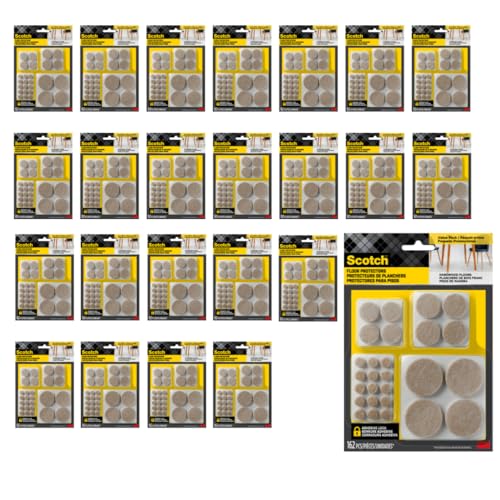
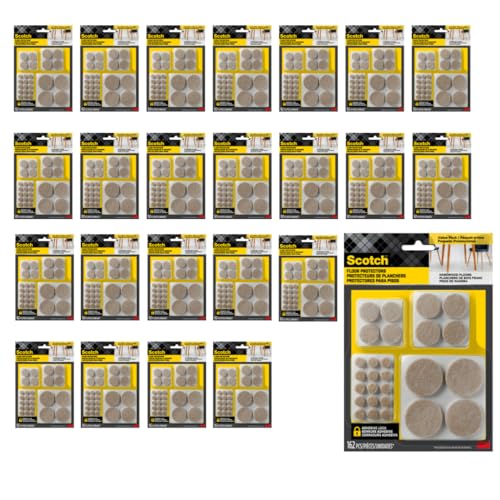
Ensure ample protection for your recently treated surfaces. Invest in felt pads or furniture sliders to minimize scratches. These cushioning materials allow for smooth movement while safeguarding the finish.
Plan the Layout in Advance
Design a clear layout before relocating any items. This pre-planning helps reduce the number of times you need to reposition heavy pieces, thereby limiting potential damage to the coated surface.
Enlist Assistance
Gather a team to help with heavy items. Ensuring multiple hands are involved can facilitate safer handling, reducing the risk of accidents or mishaps that might harm the newly treated area.
Employing these strategies will not only protect your investment but also maintain the aesthetic appeal of the space.
Common Mistakes to Avoid After Application
Placing heavy items too soon can cause permanent indentations and nicks on the surface. Always wait for the specified drying time before arranging anything substantial.
Using felt pads that are not specifically designed for finished surfaces can lead to scratching. Ensure that the pads are compatible with the coating to maintain a flawless appearance.
Ignoring maintenance guidelines can accelerate wear and tear. Follow cleaning recommendations closely to extend the life of the coating.
Not allowing adequate ventilation during the curing period may trap moisture, affecting the final finish. Keep windows open or use fans for improved air circulation.
Applying area rugs too early can create moisture barriers, trapping humidity against the surface. Allow sufficient time for complete drying before laying down any fabric.
Overloading the space with too many pieces can result in uneven wear and can be detrimental to the integrity of the surface. Reorganize gradually to allow the floor to adjust.
Neglecting to test small samples for compatibility with cleaning products can lead to staining or damage. Always test in an inconspicuous area first.
Long-Term Care for Your Polyurethane Surface
I recommend using a damp mop and a pH-neutral cleaner for routine cleaning to maintain your treated area. Avoid using harsh chemicals that could damage the finish.
Protection against scratches is crucial. Area rugs in high-traffic spots can prevent wear. Ensure that any furniture legs are fitted with felt pads to minimize scuffs.
Regular inspections for any signs of wear or damage are essential. If you notice dullness, a light recoat of the finish can help restore the shine. Schedule this maintenance every few years, depending on foot traffic levels.
Humidity control is important; keep indoor humidity levels between 30% and 50%. This stability helps maintain the integrity of the surface over time.
Avoid dragging heavy items across the surface. Lifting and placing prevents unnecessary stress on the finish, ensuring longevity.
Keep direct sunlight exposure in check. Consider window treatments to reduce UV damage, which can cause fading.
For any spots or stains, address them promptly with a suitable cleaner. Blot spills immediately and avoid abrasive scrubbing, which can harm the finish.
Lastly, if major renovations are planned, temporarily covering the surface with protective sheeting can safeguard it from dust and debris.