Caleb Turner
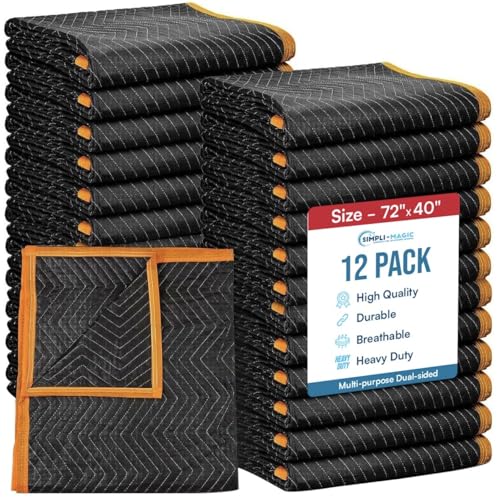
Utilizing moving blankets and towels transforms the process into a more manageable task. By wrapping each piece with these items, protection from scratches and damage increases significantly. I often find that a few old blankets can save a fortune on rentals.
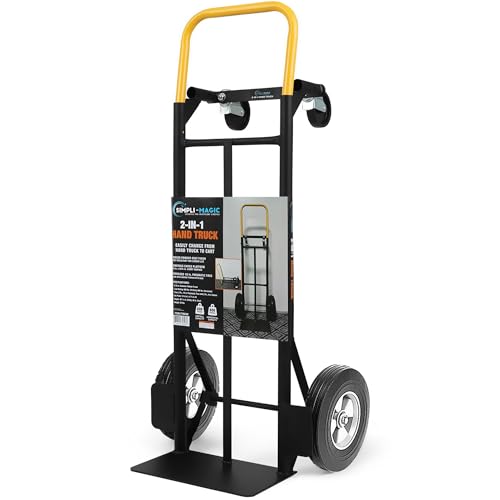
Borrowing a dolly from friends or local businesses can significantly lighten the load. Instead of purchasing or renting, I check with neighbors or community groups for available equipment that helps in transporting bulky items with ease.

Enlisting the help of friends is invaluable. I organize a “moving party,” offering pizza and drinks as a trade-off for their assistance. It not only speeds up the process but adds a communal aspect to a traditionally stressful event.
Utilizing your own vehicle creatively can save costs. I often make multiple trips using my sedan for smaller items, reducing the need for a large moving truck while ensuring everything transports securely.
Searching for local classifieds is another avenue I explore. Many people offer moving services for reasonable rates, often less than larger companies, and personal reviews help ensure quality.
Affordable Techniques for Relocating Large Items
Rent a moving truck instead of hiring a service. Many local rental companies offer hourly rates that are significantly lower than full-service movers. Grab a couple of friends to help load and unload; it cuts costs and makes the task more manageable.

Utilize furniture sliders for easier transportation across floors. Place these under heavy pieces to glide them with minimal effort. It’s a simple tool that can prevent damage to both the items and your flooring.
Opt for local classifieds or community boards to find individuals willing to assist at a lower rate. Often, college students or neighbors seek side gigs and can provide help without the high fees associated with companies.
Disassemble larger items before transport. This not only reduces bulk, making it easier to handle, but also ensures that nothing gets damaged in transit. Tools like a socket wrench or screwdriver are all you need.
Look into online marketplaces for cardboard boxes or packing supplies. People frequently give away or sell their old materials at low prices. Scavenging for free or low-cost packing supplies can significantly reduce expenses.
Consider using public transportation, like a bus or subway, for short distances, especially if items are manageable in size. This unconventional approach can save on fuel and rental costs.
Coordinate a trade with friends or family; assist them with their own relocations in exchange for their help. It’s a mutually beneficial setup that minimizes expenses.
Choosing the Right Time for Moving
Schedule your relocation during weekdays, specifically Monday through Thursday. Many service providers offer lower rates on these days compared to weekends when demand peaks.
Consider seasonal fluctuations; late fall and winter are generally slower periods for movers, often resulting in better pricing. Aim for the middle of the month, as the beginning and end typically see higher activity rates.
Pay attention to local events or holidays that could increase congestion or disrupt services. Avoiding these occasions can simplify logistics and reduce unexpected costs.
Plan your transition early, ideally a few months in advance. Early bookings can lead to further discounts and greater availability of assistance.
If possible, opt for a time of year when the weather is mild. Mild conditions allow for safer handling and transportation, minimizing the chance of delays and damage.
Renting Affordable Moving Equipment
Consider renting a dolly or hand truck to simplify transporting heavy items. Many local hardware stores offer these rentals at low rates, typically ranging from $15 to $30 per day. Always check if they provide discounts for extended rental periods.
Using padded blankets can protect your belongings during transit. You can often rent moving pads from rental centers, adding minimal costs, often around $10 for a dozen. This small investment helps prevent scratches and dents.
When tackling a large load, look into renting a truck instead of using personal vehicles. Companies frequently have competitive pricing, especially for local moves. A standard 10-16 ft truck can be rented for $20 to $60 per day, not including mileage. Compare deals from different rental firms to secure the best rate.
Don’t overlook the option of using a furniture lift if you’re dealing with stairs. Some rental services provide this equipment, which can be a time-saver. Prices for this type of lift generally start at about $50 for a few hours.
| Equipment | Rental Price | Purpose |
|---|---|---|
| Dolly/Hand Truck | $15 – $30/day | Transporting heavy items |
| Moving Pads | $10 for 12 | Protecting belongings |
| Moving Truck | $20 – $60/day | Transporting large loads |
| Furniture Lift | From $50 | Moving items up/down stairs |
Using local community boards or online marketplaces can yield excellent options for borrowing or finding budget-friendly equipment. Engaging with neighbors might lead to discovering someone who has what you need.
Utilizing Free or Low-Cost Transportation Options
I recommend exploring community resources. Many towns have free or low-cost transportation services for residents. Check with local community centers or social media groups for recommendations. You might discover services offered by non-profits that assist with relocations.
Consider leveraging platforms like Facebook Marketplace, Craigslist, or Letgo. Often, individuals offer their vehicles for hire at minimal costs. This is particularly useful if you require a vehicle capable of handling bulky items.
Reach out to friends or family who own larger vehicles. Organizing a moving day with a group of friends can also make the process enjoyable and cost-effective. A simple meal or drinks can serve as a thank-you for their assistance.
Universities often have student organizations that provide moving assistance. Students might take on transportation tasks for a flat fee or as part of community service initiatives.
Utilizing ride-sharing apps with large vehicle options can also be a budget-friendly alternative. Services such as UberXL or Lyft XL allow you to book larger cars at reasonable rates. This could save you from renting a larger truck.
Lastly, check if local hardware stores offer truck rentals. They often provide affordable rates for short-term rentals, especially on weekdays, which can be a budget-friendly option.
Enlisting Help from Friends and Family
Rallying the troops–friends and family can be invaluable during this process. Start by reaching out to those you trust, offering them an enticing reward like pizza or drinks to make it more appealing. Be specific with your requests: instead of a vague “can you help?”, ask for assistance on a particular day and time, and mention the exact tasks you need help with.
Organizing the Day
Plan the logistics ahead of time. Create a detailed schedule outlining which items need to be relocated first, ensuring everyone is on the same page. Assemble the group at your current location to outline tasks, encouraging collaboration and efficiency.
Safety and Comfort
Prioritize safety. Provide gloves and appropriate lifting techniques to prevent injury. Offer drinks and snacks throughout the day to keep morale high. A positive atmosphere can transform a daunting task into a fun experience, creating lasting memories while accomplishing the job at hand.
Encouraging teamwork and showing appreciation will cultivate goodwill, making friends and family more likely to assist in future endeavors. This collaborative effort not only lightens the load but also strengthens relationships.
Using Creative Packing Techniques
Prioritize disassembly when packing. Take apart larger pieces such as beds or desks to save space. Use common tools like a screwdriver or an Allen wrench. Keep screws and small parts in labeled bags to avoid confusion later.
Utilize Space Efficiently
Maximize every inch of space. Fill drawers with smaller items, such as books or linens, to reduce the number of boxes needed. This not only saves on supplies but also makes transportation simpler.
Alternative Packing Materials
Reconsider traditional packing supplies. Use blankets, towels, or old clothes to wrap delicate items. These alternatives protect against damage while minimizing costs. For securing items, use old newspapers or magazines as cushioning material.
- Utilize reusable bags for misc items.
- Employ cardboard from old boxes to create protective layers.
- Wrap fragile items with bubble wrap or foam from previous purchases.
Label boxes clearly. Indicating contents and destination rooms on boxes simplifies unloading and organization at your new location.
Finally, a little creativity significantly lowers your expenses and streamlines the entire process. Embrace unconventional methods to lighten the load and your budget.
Finding Budget-Friendly Moving Supplies
I recommend checking local businesses for discarded boxes. Retailers like grocery stores and liquor shops often have sturdy containers that they’re willing to give away, making them perfect for storage. Additionally, online marketplaces and community forums can be a great resource for finding affordable packing materials.
Reusable moving supplies are a smart investment. Look for local rental shops that offer blankets, dollies, and straps at a fraction of the cost of new items. Borrowing items from neighbors can also help reduce expenses.
For cushioning, consider using items you already possess. Towels, blankets, and even clothing can serve as effective padding to protect fragile items. These options cut down on both waste and costs.
When packing, prioritizing space efficiency is key. Using smaller boxes for heavy items reduces the risk of breakage and makes carrying easier. Bulky items can be wrapped in trash bags to save on costs while keeping them tidy.
Finally, look for community events or local groups that offer swap meets where you can trade items. This allows you to acquire necessary supplies without spending money, while also decluttering your space simultaneously.