Caleb Turner
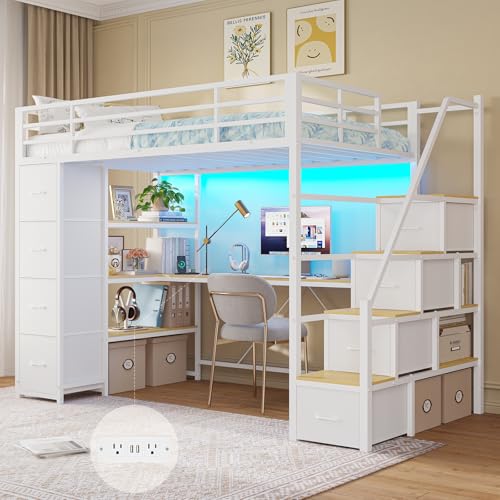
Prioritize stability and construction quality when considering an elevated sleeping platform for a child’s room or a compact apartment. I recommend thoroughly examining the weight capacity and height specifications before making a purchase. According to industry standards, a well-constructed unit should support at least 200 pounds, ensuring it accommodates both the individual and additional weight from bedding or personal items.
Pay close attention to the ladder design and guard rails. The American Academy of Pediatrics suggests that a secure model includes at least 5 inches of vertical barrier height above the mattress. Additionally, a sturdy ladder that offers optimal grip can significantly reduce the risk of falls. Make sure to assess the distance between rungs, ensuring they are comfortably spaced to accommodate safe climbing.
Regular maintenance is vital for safety. I suggest inspecting joints and connections at least twice a year, checking for loose screws or signs of wear. By staying proactive, the likelihood of accidents can be minimized. Monitoring the condition of the mattress is also important; it should fit snugly within the frame to prevent any gaps that could pose a hazard.
In short, making informed decisions based on these parameters greatly enhances the security of elevated sleeping solutions, allowing for a more restful environment without unnecessary risks.

How Safe Are Elevated Sleeping Solutions
I recommend ensuring that the structure is constructed from high-quality materials, as this has a significant impact on durability and stability. Solid wood or metal frames provide reliable support, while particle board can compromise safety. Verify that the unit meets industry standards, which can offer assurance about its robustness.

Guardrails and Access
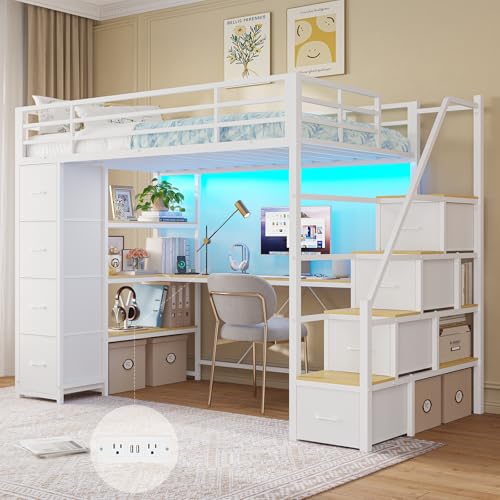
Opt for configurations with guardrails at least 5 inches high on all sides to prevent falls. The space between the rails should not exceed 3 inches to enhance security. Additionally, the ladder or stairs should be securely attached and wide enough to provide a safe ascent and descent.
Weight Capacity and Maintenance
Check the maximum weight limit specified by the manufacturer and ensure it accommodates those who will use it. Regular maintenance, including tightening screws and bolts, will help maintain structural integrity and reduce risks. I always keep an eye on the condition of the climb and the overall stability of the construction.
Understanding Loft Bed Design and Structure
I recommend assessing the framework before purchasing a raised sleeping solution. The material used is fundamental; solid wood or metal constructions tend to provide better durability compared to particle board. Look for designs with reinforced corners and cross-bracing, which enhance stability and prevent wobbling.
Check the weight capacity listed by the manufacturer. A robust unit typically supports a higher weight, ensuring safety and longevity. It’s important that I consider both the weight of the sleeper and any additional load, such as bedding and personal items.
The height of the sleeping platform also requires attention. A bed positioned higher than average should have sturdy guardrails extending at least 5 inches above the mattress to prevent accidental falls. The spacing of these rails must be small enough (generally 3 inches or less) to avoid entrapment hazards.
Access to the sleeping area should be smooth and secure. Ladders should be fixed or integrated into the design to minimize the risk of slips. Footing should be wide enough to allow for secure climbing and descending. Additionally, I would look for designs where the ladder can be approached from multiple angles or is detachable for flexible room arrangement.
Considering the overall dimensions is also crucial. The ceiling height in the intended space should accommodate the bed’s height along with sufficient clearance, ideally at least 30 inches from the top of the mattress to the ceiling. This prevents head bumps and enhances comfort.
Lastly, I check if the construction adheres to safety standards set by recognized organizations. Certifications or compliance marks can provide assurance regarding the quality and safety of the unit.
Common Safety Concerns with Elevated Sleeping Structures
First, ensure proper guardrails are in place. A height of 5 inches or more should separate the mattress from the upper edge of the rail. Regularly inspect them for any cracks or wear. Without strong guardrails, the risk of falling increases significantly.
Secondly, stability is paramount. Regularly check that all screws, bolts, and connectors are tight and secure. A wobbly setup can lead to accidents, particularly with vigorous movements. Ensure the frame is placed on a flat surface to prevent tipping.
- Check for uneven floor surfaces.
- Avoid placing heavy items on one side of the structure.
Thirdly, weight limits must be adhered to. Manufacturers typically specify maximum capacities. Exceeding these limits can lead to structural failure. Always refer to the user manual for guidance.
Another concern involves the ladder or stair access. It should be wide enough and have slip-resistant steps. Ensure there is sufficient lighting around this area to avoid accidents, especially during nighttime.
- Consider adding night lights for better visibility.
- Monitor children while they use the ladder.
Lastly, educate users about safe practices. Encourage users, especially children, to refrain from roughhousing on the top level. Discuss the risks associated with jumping off or climbing excessively.
Age Recommendations for Loft Bed Use
I recommend that children under the age of 6 should not use elevated sleeping structures. Their limited coordination and understanding of spatial awareness heighten risks. Between the ages of 6 to 12, children can transition to these sleeping arrangements, provided they meet specific safety standards.
Design Considerations for Different Age Groups
For kids aged 6 to 8, select units with added safety features like guardrails on all sides and sturdy ladders. Ensure the height is appropriate for their physical capabilities. When children reach 9 to 12 years, they can still use elevated sleeping areas, but adult supervision remains advisable during initial uses to gauge their comfort levels and adherence to usage protocols.
Teenage Adaptations
Adolescents aged 13 and above can utilize these structures, often for additional space. It’s essential to reassess weight limits and ensure the structure can accommodate their evolving needs. Encourage practices of careful climbing and maintaining a tidy sleeping environment to reduce hazards.
Materials and Construction Quality in Loft Beds
Opting for a model crafted from high-quality materials significantly reduces risks associated with elevated sleeping arrangements. Solid wood, such as maple or oak, provides greater stability and longevity compared to particleboard, which can weaken over time.
Joint Integrity
Pay close attention to the joints and connections. Mortise-and-tenon joints or metal brackets offer enhanced strength compared to basic dowels or glue. If the construction features a ladder, verify its support structure and ensure it’s securely attached to the frame.
Weight Capacity
Each unit comes with a specified weight limit. Always adhere to the manufacturer’s guidelines to prevent structural failure. Testing the bed’s resilience by applying incremental weight can assist in determining if its construction meets expectations.
While shopping, consider models backed by safety certifications such as ASTM or CPSC standards. These certifications indicate that the product has undergone rigorous testing for durability and stability.
Ultimately, selecting a well-constructed model from quality materials ensures a comfortable and secure environment for the user.
Installation Guidelines for Maximum Stability
Position the frame against a wall or in a corner. This reduces lateral movement and provides additional support. Use wall anchors to secure the unit, ensuring that it remains fixed to the walls, especially in high-traffic areas.
Foundation and Floor Considerations
Ensure the base is placed on a level surface. An uneven foundation can compromise stability. Heavy-duty flooring, such as hardwood or laminate, is preferable to carpet, as it prevents shifting over time.
Tools and Fasteners
Utilize high-quality bolts, screws, and brackets during assembly. Inspect fasteners for strength ratings, and follow manufacturer specifications for load limits. Regularly check these connections for signs of wear or loosening.
Incorporate cross-bracing where feasible. This design element enhances rigidity and prevents swaying. If possible, consult installation instructions meticulously; adhering to guidelines significantly boosts structural integrity.
Regular maintenance checks are vital. Monitor for signs of fatigue or damage, and replace any worn components immediately to maintain stability.
Use of Guardrails and Safety Features
Guardrails are non-negotiable in any elevated sleeping structure. They must be at least 5 inches high to effectively prevent falls, and it’s advisable to choose units with 3.5-inch openings between slats to minimize risk.
Additional safety features can enhance the overall security of these structures:
- Solid additional support systems, including cross-bracing or reinforcements beneath the sleeping area.
- Sturdy ladders that have a wide, slip-resistant surface to ensure safe access.
- Rounded edges and smooth surfaces to reduce the risk of injuries during use.
- Anchor points to secure the unit to the wall for added stability.
Regular inspections are critical. Tightening screws and checking for any wear or damage ensures continued reliability. Consider an adjustable height feature for increased longevity and adaptability to a child’s growth.
Be mindful of weight limits outlined by manufacturers. Always adhere to these specifications to maintain structural integrity and safety.
Child supervision plays a vital role. Educating young users on safe behaviors when using the upper area reinforces safe practices and reduces potential hazards.
Potential Risks for Children and Pets
The height of elevated sleeping structures poses risks of falls. It’s crucial to supervise children, especially under six. Even older kids can misjudge their climbing abilities, potentially leading to injuries.
Pets pose another risk. Cats can easily navigate heights, while dogs might attempt to follow. This could result in falls or unstable structures if the design cannot support unexpected weight. Secure pets in separate areas during sleep time to mitigate risks.
Another consideration is the space below. Keep it clear and free of obstructions. Toys, furniture, or other items may tempt curious children or animals to explore the area, increasing the likelihood of accidents.
Ensure regular inspections of the entire setup. Look for loose parts or signs of wear that might compromise stability. Condition checks can prevent unforeseen incidents related to structural integrity.
Teach children about the potential dangers associated with climbing. Reinforce rules about jumping or playing on elevated platforms to promote responsible usage. Awareness can significantly reduce the chance of mishaps.
For both kids and pets, establish a safe landing area with soft materials like rugs or foam mats, which can help cushion falls. Make the sleeping area inviting but off-limits for non-users.
Maintenance Tips to Ensure Long-term Safety
Regularly inspect the structure for any signs of wear or damage. Check joints, bolts, and screws to ensure they remain tight and secure. If any parts are loose, tighten them immediately to prevent instability.
Cleaning Procedures
Dust and clean the space to avoid buildup in nooks and crannies. Use a mild cleaner to wipe down surfaces. Regular cleaning helps maintain the integrity of the materials and reduces allergens.
Weight Limits and Usage Guidelines
Pay attention to weight restrictions specified by the manufacturer. Consider the total weight of the individual using it along with any additional items such as bedding or decor. Following these guidelines can prevent overloading.
| Maintenance Task | Frequency | Details |
|---|---|---|
| Inspect structural integrity | Monthly | Check bolts, screws, and joints for tightness. |
| Clean surfaces | Weekly | Use a mild cleaner to wipe down to avoid buildup. |
| Monitor weight usage | Ongoing | Ensure total weight does not exceed manufacturer recommendations. |
| Check guardrails | Monthly | Ensure guardrails are secure and in good condition. |
If any issues arise, consult the manufacturer for recommended repairs or replacements. Staying proactive about maintenance helps ensure a secure environment for users.
FAQ:
Are loft beds safe for children?
Loft beds can be safe for children if certain safety measures are taken. It’s important to ensure that the bed has sturdy guardrails on both sides to prevent falls. The mattress should fit snugly in the bed frame to eliminate gaps. Regularly inspecting the bed for any loose parts or damage is also crucial. Additionally, it’s advisable to place the bed away from windows and limit the age of the child using it, as younger children may not be able to safely navigate the height.
What height is considered safe for a loft bed?
The safety of a loft bed largely depends on its height and the age of the user. Generally, a loft bed should not exceed 5 feet in height for younger children, while teenagers may use beds up to 6.5 feet. The height should also accommodate the room’s ceiling height to prevent injuries when sitting up or moving around. Manufacturer guidelines often provide recommendations based on the intended age range, making it essential to follow those for safety.
What safety features should I look for in a loft bed?
When purchasing a loft bed, look for several key safety features. First, high-quality guardrails on both sides are a must; they should extend at least 5 inches above the mattress. Secondly, a sturdy ladder or stairs designed for easy access is crucial, with slip-resistant steps to enhance grip. Additionally, the bed should be constructed from durable materials that can support the weight of the sleeper without wobbling. Ensure that it meets safety standards set by recognized organizations.
Can loft beds be dangerous for adults?
Loft beds can pose risks for adults as well, especially if they do not have adequate safety features. Adults generally require sturdier construction to support their weight and movements. The same safety measures apply, such as strong guardrails and a stable ladder. Adults may also be less agile in navigating a loft bed, increasing the potential risk of falls. It’s advisable for adults to choose loft beds specifically designed to accommodate their weight and height requirements, as misuse can lead to accidents.
What are the tips for maintaining loft bed safety?
To maintain loft bed safety, regular inspection and maintenance are crucial. Check all bolts and screws periodically to ensure they are tight. Examine the guardrails and ladder for any signs of wear or damage. Keep the area around the loft bed clear of obstacles to prevent tripping. Encourage safe behavior, such as not jumping or horseplay on the bed. Educating users about safe climbing and descending methods will also help enhance safety. Following these tips can significantly reduce the risk of accidents.
What are the primary safety concerns associated with loft beds?
Loft beds can present several safety concerns that parents and guardians should consider. One major issue is the risk of falls. As loft beds are elevated, there is a potential for children to accidentally fall off the mattress, especially if they tend to move around a lot during sleep. To mitigate this risk, it’s advisable to ensure that the bed has sturdy guardrails on both sides, and that the mattress is properly fitted within the bed frame. Another concern involves the structural integrity of the bed itself. It’s important to select a loft bed made from durable materials and to follow the manufacturer’s assembly instructions closely. Additionally, users should be cautious about the weight limit set by the manufacturer to avoid accidents caused by overloading the bed. Lastly, the placement of the loft bed should be considered; it should be situated away from ceiling fans or other objects that could pose a risk to someone climbing up or down.
What age group is recommended for children to use loft beds safely?
Loft beds are generally recommended for children aged 6 and older. This age guideline is established because younger children may not possess the coordination or judgement needed to navigate climbing up and down safely. Moreover, toddlers and preschool-aged children are more likely to roll out of bed while sleeping, increasing the risk of injury. When selecting a loft bed for older children, parents should also assess their individual child’s maturity and ability to follow safety guidelines. Additionally, it’s helpful to choose a model that has safety features such as guardrails and a ladders designed for easy access. For children in this age range, having adult supervision when first using a loft bed can also enhance safety.