
 Caleb Turner

To address unsightly gaps or indentations in your assembled items, gather wood filler that closely matches the finish of your piece. Apply a small amount of filler directly into the imperfection using a putty knife, ensuring you press it firmly for proper adhesion.
After the material dries, gently sand the area with fine-grit sandpaper for a smooth transition to the surrounding surface. For a flawless appearance, apply a matching stain or paint to restore the original color. Keep a clean cloth handy to wipe away any excess or drips immediately.
For deeper or larger marks, you might need to repeat the filling and sanding process a couple of times. Always examine your work in good lighting to ensure you’re achieving an even finish before applying any top coat. This approach not only enhances the look but also prolongs the life of your items.
Repairing Imperfections in Your Home Accessories
For small imperfections, I reach for a wood filler that matches the hue of the item. I prefer using a putty knife for application, ensuring a smooth finish. Once the filler is applied, I let it dry thoroughly, usually following the manufacturer’s drying time instructions.
Painting and Finishing
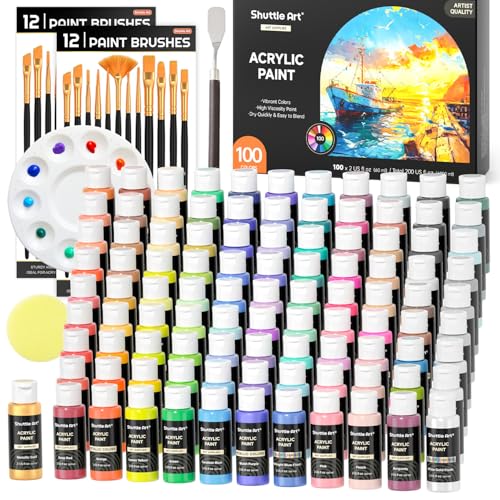
After drying, I lightly sand the area to achieve an even surface before painting. I use acrylic paint for touch-ups, applying thin layers to build up color gradually. It’s vital to use a paint that can withstand cleaning and wear.


Alternative Solutions
If you prefer a different look, adhesive vinyl can provide a stylish cover. I cut the vinyl to the desired size, ensuring it adheres well by pressing firmly. This method adds character while also serving as a protective layer.
Assessing the Type and Size of the Hole
Begin by identifying the specific characteristics of the damage. Is it a shallow dent, a deep gouge, or perhaps a structural crack? Each type requires a different approach for restoration. For example, shallow indentations may only need a surface treatment, while deeper issues may necessitate a more robust solution, like wood filler or a patch.
Measuring Dimensions
Utilizing a ruler or measuring tape, determine the diameter and depth of the imperfection. A clean edge will often allow for easier repairs, while jagged or uneven sections might require additional preparation. Accurate measurements will assist in selecting the proper repair materials and techniques.
Assessing Surrounding Surface
Evaluate the finish and texture surrounding the imperfection. If the area has a veneer or laminate covering, choose repair materials that blend well with these surfaces. For painted items, matching the paint color and texture is crucial for a seamless appearance. Taking notes on the current conditions will guide your restoration process effectively.
Choosing the Right Filling Material
I recommend considering wood filler, epoxy putty, or a combination of both based on the hole’s characteristics. For small imperfections, a high-quality wood filler works well, blending seamlessly with various finishes. Choose a product that dries to a color that matches the surrounding area.
Wood Filler
When opting for wood filler, select one designed for interior use to ensure durability. A water-based option allows for easy application and cleanup while providing good adhesion to different surfaces. Apply it with a putty knife, ensuring it’s packed tightly into the cavity, then level it with the surrounding material.
Epoxy Putty
For larger or deeper voids, epoxy putty offers superior strength. This material cures to a solid finish and can be sanded down to achieve a smooth surface. Follow the package instructions for mixing proportions, and shape it effectively before it hardens. Consider using a color-matching pigment if necessary to enhance aesthetics.
Experimentation with samples may help identify the best option for your project. Always test in a discreet area to ensure compatibility with the existing surface and finish.
Preparing the Surface for Repair
Clean the area around the imperfection using a mild detergent and a soft cloth. Ensure there’s no dust, grease, or grime, as any residue can compromise adhesion and finish.
After cleaning, inspect the damaged area closely. Any splinters or rough edges should be carefully sanded down to create a smooth surface. Use fine-grit sandpaper for this process. Start lightly to avoid causing further damage.
If the surface is treated with a finish or paint, lightly scuff it to improve the bond of the repair material. Be cautious and gently sand the specific area without disrupting the surrounding finish.
Evaluating Stability
Check if the surrounding structure remains stable. If the area is weak or unstable, consider reinforcing it before applying the repair material. This can prevent future issues.
Dust Removal
- Use a soft brush or vacuum to eliminate sanding dust from the area.
- Wipe gently with a damp cloth to ensure all particles are removed, ensuring the surface is pristine for the next step.
Allow the surface to dry completely before proceeding with the application of the chosen repair material.
Applying the Filler Properly
Ensure the area to be repaired is clean and free from dust. Use a small amount of the filler with a putty knife for application. Apply the compound into the void, pushing it firmly to fill the entire space. Smooth it out with the knife, slightly overfilling to compensate for shrinkage upon drying.
Layering Technique
If the indentation is deep, consider applying in layers. Allow each layer to dry fully before adding the next. This approach minimizes the risk of cracking and ensures a solid repair.
Final Touches
Once the filler is completely dry, sand the surface with fine-grit sandpaper to achieve a smooth finish. Match the texture of the surrounding area by hand or using a sponge. After sanding, clean the surface again to remove any dust and prepare it for painting or staining if necessary.
Sanding and Finishing the Repair
To achieve a seamless look after addressing imperfections, I first ensure the surface is completely dry. Using fine-grit sandpaper, I gently sand the repaired area until it’s smooth and level with the surrounding surface. I take care to sand in the direction of the grain to avoid scratches that may become noticeable later.
After smoothing, I clean the dust from the surface using a damp cloth. Once the area is free from debris, I apply a suitable finish, such as paint or varnish, that matches the original surface. Careful selection of the right color is essential to ensure uniformity.
For the best results, I typically apply two or more thin coats of the finish, allowing adequate drying time between each application. This layered approach helps in achieving a more polished appearance. After the final coat has dried, I perform a final light sanding for additional smoothness before the project is complete.
Preventing Future Damage to Your Items
Regularly checking for signs of wear is key to maintaining your belongings. I schedule seasonal inspections to identify potential issues early. Look for scratches, loose parts, or structural weaknesses that may require immediate attention.
Implementing Protective Measures
Using coasters or mats can minimize surface damage. Always place heavy items evenly to distribute weight and avoid stress points. If I have children or pets, I use corner guards to prevent accidental dings.
Appropriate Cleaning Techniques
Choose cleaning products that are safe for the material. Avoid harsh chemicals that could damage the finish. A simple mixture of warm water and mild soap works well in keeping surfaces clean without causing harm.
| Action | Frequency |
|---|---|
| Inspect for wear | Seasonally |
| Use coasters/mats | Always |
| Check for loose components | Monthly |
| Clean surfaces | Weekly |
FAQ:
What materials do I need to fill holes in IKEA furniture?
To fill holes in IKEA furniture, you typically need wood filler or putty, sandpaper, and a putty knife for application. If you want to match the finish of your furniture, consider getting paint or stain that closely resembles the original color. Optionally, you might use clamps or painter’s tape to hold pieces in place while the filler dries.
Can I use regular wood filler, or is there a specific type I should consider for IKEA furniture?
Regular wood filler can be used for IKEA furniture, but it is advisable to choose one that is specifically labeled as suitable for the type of wood or material in your furniture. IKEA often uses particle board or MDF, so look for fillers that can adhere well to these materials. Some products are also stainable or paintable, which can help match the finish of your furniture after repairs.
How do I apply the wood filler to the hole?
First, clean the area around the hole to remove any dust or debris. Then, using a putty knife, apply the wood filler, pressing it into the hole to ensure good coverage. Smooth the surface to make it level with the surrounding material. Allow it to dry according to the manufacturer’s instructions. Once dry, sand the area gently with fine-grit sandpaper until it is smooth and even with the rest of the furniture.
What should I do if the hole is large or irregularly shaped?
If the hole is large or irregularly shaped, you may need to use a combination of methods. Start by using a piece of cardboard or a small wooden patch to fill the bulk of the hole, gluing it in place. Once it is secure, apply wood filler over the patch to smooth out the surface. Follow up with sanding and finishing. In some cases, using a plastic wood repair compound can also provide a durable solution for larger repairs.


