
 Caleb Turner

First, locate the isolation valve connected to the supply line feeding the reservoir. This valve is typically positioned close to the entry point of the water line. In many cases, it’s a straightforward lever or knob that you can rotate or pull to cut off the flow.
Next, once you’ve successfully engaged the isolation mechanism, ensure that the system pressure decreases. You can achieve this by opening a nearby faucet or outlet, allowing any remaining liquid to escape. This step helps to verify that the reservoir is no longer receiving supply.
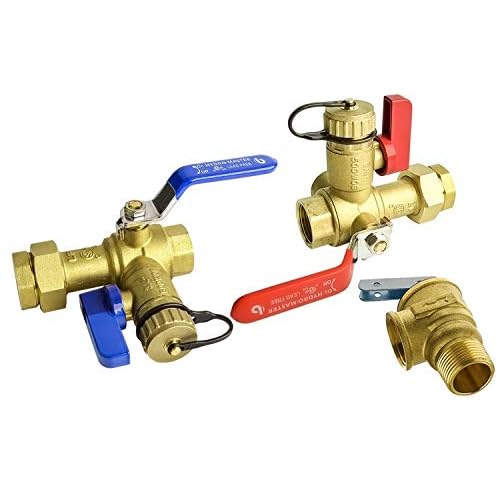

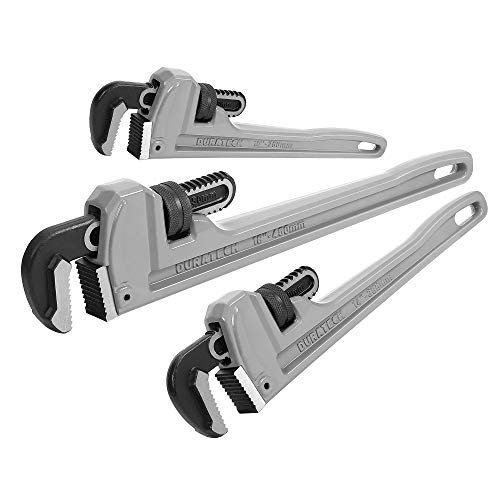
After relieving the pressure, proceed to drain any residual liquid in the reservoir. A drain valve is usually located at the bottom, which can be accessed with a hose or bucket to collect the outflow. Make sure to monitor the drainage process closely, preventing any accidental overflow.
Finally, check for leaks around the isolation point and drain valve after the task is complete. This precaution can help identify any issues early, saving you from potential damage or repairs in the future. Always maintain a cautious approach during this process to ensure safety and efficiency.
Steps for Shutting Down the Water Supply in the Loft
To stop the flow from the storage unit in the attic, locate the valve connected to the supply line. This valve is usually situated close to where the pipe enters the area. Rotate the valve clockwise until it reaches a full stop, ensuring complete cessation of the water supply.
Verifying the Shutdown
After adjusting the valve, check taps in the home to confirm that water has ceased to flow. Open the highest faucet to allow any remaining water in the pipes to drain, preventing pressure buildup.
Preventive Measures
Consider installing an accessible shutoff valve in the supply line for easier access in the future. Regular maintenance checks of the plumbing can help you avoid any unexpected leaks or damage.
Locate the Water Storage Unit in Your Attic
I pinpointed the storage unit in my attic by first identifying its typical placement. Most are found near the center or in a corner, elevated on a platform or directly on the floor. I checked for any large insulated containers that typically measure around 4 to 6 feet in height. They often have a cylindrical shape and are usually white or metal in color.
Next, I located any visible pipes leading to and from the unit. These can be helpful indicators, as they usually connect to the plumbing system of the residence. If the room has a hatch or entryway, it might be directly accessible from below, guiding me to its approximate location. Lastly, I looked for any accompanying valves or gauges that might signal that I’ve found the right unit.
Assessing Accessibility
Once found, checking the accessibility is crucial. I made sure there’s enough space around the unit for safe maneuvering. If necessary, I removed any obstructions, such as stored boxes or other items, that could impede my approach. Ensuring safe access is essential, especially if maintenance is required later.
Identify Markings or Labels
To confirm I was dealing with the correct unit, I inspected for any labels or markings. Manufacturers often place identification tags that describe the capacity and maintenance instructions. Recognizing these can save time and effort in future tasks related to this unit.
Identify the Shut-Off Valve
The shut-off valve is typically located near the pipe leading to your reservoir, often on the upper or lower side. I recommend inspecting the area closely to find a circular or lever-style valve. It’s essential to check for any labels or markings indicating its function.
Once identified, grasp the valve handle firmly. If it’s a lever, push or pull it perpendicular to the pipe direction to stop the flow. For circular valves, turn clockwise to close. Ensure the action is complete; listen for a change in water flow or check for any leaks.
If there are any difficulties in locating it, use a flashlight to enhance visibility. Sometimes, the valve can be obscured by insulation or other equipment. Clear any obstacles gently to reveal the mechanism.
Prepare for Water Shutdown
Ensure all dishes and laundry are completed prior to proceeding with the shutdown. Gather necessary tools: adjustable wrench, bucket, and towels. This helps in managing spills or leaks during the process.
Notify all household members about the temporary stop in supply. This avoids confusion or inconvenience while repairs are being made.
Collect a few buckets or containers to catch any residual liquid once the valve is closed. Place towels around these areas for additional moisture management.
Inspect the nearby plumbing and infrastructure for any signs of leaks or corrosion. Addressing these issues beforehand prevents further complications.
Consider utilizing tap or bottled alternatives for drinking and cooking, ensuring these are readily available during the process.
If applicable, check the pressure gauge on the system to ascertain the current state. This can help in understanding the situation better as I proceed.
- Clear the area surrounding the components to allow easy access.
- Gather any instruction manuals related to the system for reference.
- Set a timer or reminder for when the work is completed, ensuring no prolonged disruption occurs.
After ensuring that everything is in place, I will be ready to proceed with the necessary adjustments.
Shut Down the Primary Supply
Locate the primary supply valve, often found near the entrance of your property or in a utility area. This valve is typically a round or oval handle or lever. Turning it clockwise will halt the flow.
Steps to Follow
- Inspect near the water meter for the supply valve.
- Assess surrounding pipes; the valve may be located close to where the main line enters.
- Utilize a wrench if the valve is difficult to turn by hand.
After securing the main feed, ensure all taps are closed. This helps to drain any remaining fluid in the system, reducing pressure and minimizing leaks during maintenance.
Final Checks
- Examine the vicinity for any leaks that may arise.
- Confirm that the other valves in the system are also properly secured.
- Observe for any unusual sounds from pipes, indicating residual moisture movement.
Drain the Water Tank Properly
Before beginning the draining process, ensure that you have a hose and a suitable container to collect the expelled liquid. If your cistern has a drain valve, connect a hose to it, directing the other end to a nearby drain or container.
Open the drain valve slowly. This will allow air to enter the system, facilitating a smooth flow of liquid. It’s essential to monitor the process to prevent backflow or blockages. If you notice any leaks or issues during draining, close the valve immediately and resolve any obstructions.
Once the tank is empty, it’s prudent to inspect for sediment buildup. If you see any, cleaning the interior surfaces with a mild solution will help maintain the quality of the supply.
Allow the cistern to dry completely before proceeding with any maintenance or repairs. If you’re planning to replace or service any components, ensure everything is properly sealed after draining.
| Steps | Actions |
|---|---|
| Prepare | Gather hose and container |
| Connect | Attach hose to drain valve |
| Open Valve | Start draining |
| Monitor | Watch for leaks and flow |
| Inspect | Check for sediment buildup |
| Clean | Wash interior surfaces if necessary |
| Dry | Ensure dryness before further actions |
Disconnect Power Supply to the Water Tank
Before I proceed with any disconnection of the energy source to my water storage unit, I ensure that I locate the circuit breaker box. This is often found in a utility room or basement. Once I find it, I identify the specific breaker associated with the water heating system.
Steps to Disconnect the Power
1. Flip the circuit breaker to the ‘off’ position for the water heating system to stop the electrical supply. This is a crucial safety measure that prevents electric shock or damage during maintenance.
2. If the installation includes a plug, I disconnect it from the socket safely. Make sure my hands are dry and that I’m standing on a non-conductive surface.
Safety Precautions
Always check the status of the breaker after disconnection. If you have a multimeter, I recommend testing the voltage to confirm the power is fully cut off. If unsure about any steps, consulting with a qualified electrician is advisable to avoid mishaps.
| Action | Description |
|---|---|
| Locate Circuit Breaker | Find the breaker box in a utility area. |
| Identify Breaker | Determine which breaker controls the heating unit. |
| Turn Off Breaker | Switch the corresponding breaker to the ‘off’ position. |
| Confirm Power Status | Use a multimeter for a voltage check. |
Check for Leaks After Shutdown
Inspect the area around the fixture thoroughly after disabling the supply. Ensure no moisture or dripping is present, as this could indicate an issue.
- Examine the connection points for any signs of water escape.
- Look for pooling water around the fixture or on the floor; even small amounts can signify a problem.
- Check the ceiling below for discoloration, stains, or dampness that might have developed from prior leaks.
Utilize a flashlight for better visibility in dim areas, helping to spot tiny leaks that might be missed otherwise.
If any evidence of leaks is discovered, take action promptly. This may involve tightening connections, replacing worn gaskets, or seeking professional assistance if needed.
After resolving any identified issues, monitor the area over several days. Regular checks can help catch any ongoing problems before they escalate.
Reinstate Water Supply When Needed
First, ensure the main valve is accessible and in good condition. If it’s been closed for a while, check for any signs of damage or wear. Once confirmed, slowly open the valve to restore flow. This gradual approach prevents sudden pressure changes that can cause pipe damage.
Next, monitor the system for any leaks during the refilling process. Keep an eye on all fittings and joints, as these are common points for potential failures after a shutdown.
After restoring the supply, check the functionality of any connected devices–like faucets and toilets–to confirm everything is operating correctly. Adjust fixtures as needed to avoid air locks or pressure inconsistencies.
If any issues arise, shut down the supply again and investigate the problem. Look for blockages or damaged components that might need attention. Don’t hesitate to consult a professional if necessary.
Once all checks are complete and the system is functioning well, consider scheduling regular maintenance to prevent future complications. Keeping the infrastructure in good shape guarantees reliable performance over time.


