
 Caleb Turner
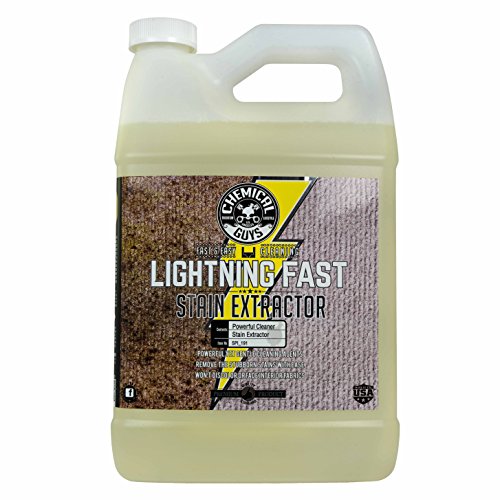
To ensure a thorough cleaning process, I recommend using a combination of fabric-safe disinfectant sprays and natural solutions like vinegar and baking soda. Begin by vacuuming the upholstery to remove dust, debris, and loose dirt. This initial step significantly enhances the effectiveness of the sanitizing agents you will apply next.
Next, dilute a few drops of mild detergent in water. Dampen a clean cloth with this solution and gently blot the surface, focusing on any stained areas. Avoid soaking the fabric to prevent water damage. After blotting, I let the area breathe for a few minutes.
For a deeper cleanse, I opt for a mixture of equal parts water and white vinegar, which acts as a natural disinfectant. I spray this solution lightly over the upholstery, ensuring even coverage. Allow the mixture to sit for at least 10 minutes to eliminate germs and odors, then wipe with a damp cloth to remove any excess moisture once time is up.
Finally, I suggest using a fabric refresher that also contains antimicrobial properties. This step not only leaves a pleasant scent but also adds an extra layer of protection against future contaminants.


Disinfecting Upholstered Pieces
I recommend utilizing a solution of water and white vinegar to sanitize the surface of your upholstery. Mix equal parts of each in a spray bottle and lightly mist the fabric, ensuring it’s not soaked. Allow it to sit for about 10 minutes, then wipe with a clean cloth.
Spot Treatment
For localized cleaning, apply the vinegar solution to a cloth and dab it on the stained areas. Follow with a dry cloth to absorb moisture and prevent mildew.
Alternative Solutions
A mixture of mild dish soap and warm water can also serve as a safe cleansing option. Test it first on an inconspicuous area. Use a soft-bristled brush to gently agitate the mixture into the fabric, then wipe away with a damp cloth.
Identify the Type of Fabric
I always begin my cleaning process by determining the specific material of the upholstery. Different textiles require varied approaches to ensure they are cleaned correctly without causing damage. Look for care labels, typically found underneath cushions or on the furniture’s frame, which can provide vital information about the type of material used.
Cotton and Linen
For cotton and linen, I utilize a mixture of mild detergent and water. These materials are generally durable and can handle moisture without shrinking. A steam cleaner can be effective, but I take care to avoid excessive heat, which can warp the fabric.
Leather and Synthetic Options
When dealing with leather or synthetic alternatives, I opt for specialized cleaners designed for these surfaces. I apply these solutions with a soft cloth, avoiding any harsh chemicals that could degrade the finish. It’s crucial to maintain hydration for leather to prevent cracking.
Gather Necessary Cleaning Supplies
I recommend having a few key items ready before beginning the cleaning process. First, choose a vacuum cleaner with an upholstery attachment to remove loose dirt and debris effectively.
Cleaning Solutions
Select a gentle cleaning solution. Options include a mixture of water and white vinegar or a commercial fabric cleaner specifically designed for upholstery. Test any solution on an inconspicuous area before application.
Additional Tools
Keep a soft cloth or microfiber towel handy for applying cleaning solutions, along with a soft-bristled brush for gentle scrubbing. For stubborn stains, a simple sponge may come in handy.
Perform a Preliminary Vacuuming
I always begin with a thorough vacuuming to remove loose dirt, dust, and debris from the surface of upholstery. This step is crucial for preparing the material for further cleaning processes.
Here’s how I approach vacuuming:
- Use a vacuum cleaner with an upholstery attachment for efficiency.
- Thoroughly run the vacuum over all surfaces, including cushions, seams, and crevices.
- Pay special attention to areas where pet hair or crumbs tend to accumulate.
- If possible, remove cushions and vacuum underneath to ensure a complete clean.
After vacuuming, I appreciate the cleaner look and feel, which sets the stage for the next steps in maintaining the condition of the material.
Test a Small Hidden Area
I always begin by selecting an inconspicuous spot on the item. This can be the underside or a corner where it’s less likely to be seen. I dampen a cloth with the chosen cleaning solution and gently rub the area. I ensure that it doesn’t soak the material but just lightly moistens it.
After testing, I wait for a few minutes to check for any discoloration or adverse reactions. If the spot remains unaffected, I proceed with confidence. If I notice any change in color or texture, I adjust my cleaning method or solution accordingly to avoid damage to the entire surface.
This simple step is crucial, as it allows me to protect the integrity of the upholstery while ensuring a safe cleaning process.
Apply Appropriate Disinfectant Solution
Choose a suitable cleaning agent based on the previously assessed textile type. I prefer options that are gentle yet effective, preventing damage while eradicating harmful pathogens.
- For natural fibers, select a mild solution, such as a mixture of water and white vinegar.
- Synthetic materials can handle stronger substances, including alcohol-based cleaners.
- Always follow the manufacturer’s instructions on dilution ratios; usually, a 1:10 solution is adequate for most applications.
Use a spray bottle for even distribution; spritz lightly over the surface without soaking the material. This technique allows for better penetration while minimizing moisture damage.
Allow the agent to sit for the recommended time, typically 5 to 10 minutes, to ensure thorough sanitization. This wait enhances the solution’s potency against germs and bacteria.
- After the dwell time, blot the area with a clean, dry cloth to absorb excess moisture.
- For deeper cleaning, using a soft brush can help lift embedded dirt and debris.
Finally, air out the space by promoting circulation or utilizing fans, ensuring the solution evaporates properly and prevents any residual odors. Regular maintenance with this method will aid in keeping upholstery fresh and sanitized.
Utilize a Steam Cleaner for Deep Cleaning
I recommend using a steam cleaner for an intense cleanse of upholstered surfaces. This method harnesses high-temperature steam to eradicate germs and dust mites while also breaking down stubborn stains. Make sure the steam cleaner is fitted with an appropriate attachment for upholstery to avoid damage to the material.
Steps to Follow
Begin by thoroughly vacuuming the area you plan to treat. This ensures that loose dirt particles are removed before introducing steam. Fill the steam cleaner’s reservoir with distilled water for optimal results and let it heat up as directed.
Once the steam is ready, test a small, inconspicuous section of the upholstery to gauge how the fabric reacts. If there’s no adverse reaction, proceed to apply steam in a sweeping motion over the surface. Maintain a safe distance to prevent saturation and allow the steam to penetrate the fibers, aiding in the elimination of impurities.
Post-Cleaning Care
After the steaming process, allow the material to dry completely. This might take several hours, so avoid using the item until it’s fully dried to prevent mildew. Regular use of a steam cleaner not only maintains hygiene but also revitalizes the appearance of your upholstery.
Allow Upholstery to Dry Properly
After applying the cleaning solution, I let the upholstery dry completely. Proper drying prevents mold and mildew growth, which can occur if moisture is trapped in the fibers. I ensure that the area is well-ventilated by opening windows and using fans to circulate air. If possible, I place the furniture outside in the sun for a few hours, as sunlight naturally helps to speed up drying and eliminate any lingering odors.
I avoid covering the upholstered piece until it’s thoroughly dry. Once dry, I check for any areas that may need additional attention or touch-ups. If necessary, I repeat the cleaning process on spots that weren’t fully effective the first time. This method guarantees the longevity and cleanliness of my upholstery.
Regular Maintenance Tips for Fabric Upholstery
Vacuum at least once a week to remove dust, dirt, and allergens that accumulate on the surface. A handheld vacuum with an upholstery attachment is particularly useful for reaching corners and crevices.
Rotate cushions regularly to ensure even wear and prolong their lifespan. This small act can prevent sagging and maintain their shape over time.
Spot Cleaning Techniques
Address spills immediately using a clean, dry cloth to blot the area gently. Avoid rubbing, as this can push the liquid deeper into the material.
For minor stains, a mixture of mild detergent and water can be effective. Test the solution on a hidden section before applying it to a visible area to avoid discoloration.
Seasonal Deep Cleaning
Plan for thorough cleaning sessions every six months. In addition to vacuuming and spot cleaning, consider utilizing methods like steam cleaning or professional services for a more comprehensive refresh.
Rotate the placement of items nearby to ensure no single area of the upholstery is subjected to consistent pressure or exposure, which may lead to premature wear.
Handle Stains and Odors Promptly
If a spill occurs, I immediately blot the area using a clean cloth, absorbing as much liquid as possible without rubbing. For tough stains, I prepare a mixture of mild dish soap and water, applying it gently with a soft brush or cloth. Rinsing with a damp cloth afterward is crucial to prevent residue buildup.
For odors, I sprinkle baking soda over the affected area and let it sit for a few hours before vacuuming it up. This effectively neutralizes smells without introducing harsh chemicals. In case of persistent odors, I consider using a solution of equal parts vinegar and water, lightly spraying and wiping after a few minutes.
It’s essential to address any stains or unpleasant scents as soon as I notice them. Delaying treatment can lead to permanent marks or lingering smells. Establishing a routine check can help maintain the appearance and freshness of my soft seating.
| Stain Type | Recommended Cleaning Solution | Method |
|---|---|---|
| Food and drink | Mild dish soap solution | Blot and rinse with damp cloth |
| Pet accidents | Vinegar and water solution | Spray, let sit, then blot |
| Oil-based | Dry cleaning solvent | Apply and blot with a clean cloth |
| Odors | Baking soda | Sprinkle, let sit, then vacuum |
In my experience, frequent attention to spills and odors significantly prolongs the life of any upholstery, keeping it looking its best.


