
 Caleb Turner

Examine the joints; strong construction is key. Look for dovetail joints, especially in drawers, as they indicate quality craftsmanship typical of early American designs. If screws are present, they should be flathead rather than modern Phillips, preserving the integrity of the antique.
Inspect the finish closely. Authentic pieces often exhibit a hand-rubbed lacquer or oil finish that aged beautifully over time. A glossy, overly shiny surface may suggest restoration work, which can diminish value. Feel the texture; natural wear and patina tell a story and enhance charm.
Examine the wood species. Cherry, walnut, and maple are common in traditional designs, each with unique grain patterns. Check for signs of insect damage or excessive wear. Minor scratches can often be repaired, but significant damage may lower the overall appeal.

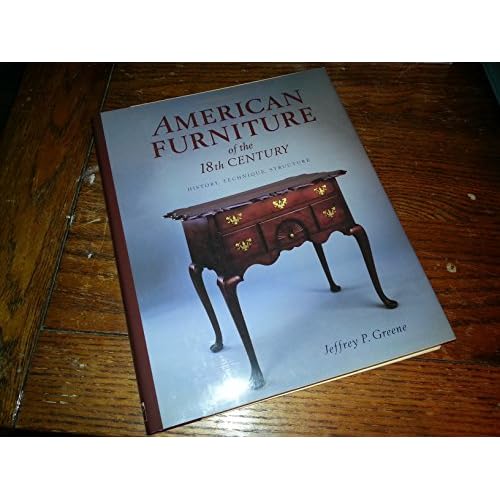

Look for maker’s marks or labels. Research these brands or craftsmen, as their reputation can significantly affect value. Authenticity adds to the worth, making attention to detail critical in the evaluation process.
Identifying Paine Creations
Check the construction techniques used in the piece. Pieces from the 1900s typically feature sturdy joinery, often dovetail or mortise-and-tenon joints. If you can observe exposed screws or evidence of mass production, it likely indicates a later creation, possibly post-1950.
Inspect the wood type. Original items primarily utilized oak and mahogany. An abundance of veneers or particle board suggests a modern variant, which diverges from the company’s earlier craftsmanship.
Look for labels or stamps. Authentic creations from this manufacturer usually include a brand label affixed to either the underside or interior sections. If a label exists, examine the details–earlier labels carry unique typography that can aid in determining the approximate era.
Pay attention to hardware. Genuine components such as drawer pulls or hinges often reveal specific design styles. For instance, ornate brass handles may signal an earlier period, whereas modern plastic fittings could imply recent production.
| Feature | Early Period (Pre-1950) | Modern Period (Post-1950) |
|---|---|---|
| Construction | Dovetail joints and solid wood | Exposed screws, particle board |
| Wood Type | Oak and mahogany | Veneers and synthetic materials |
| Label/Stamp | Unique typography, specific designs | Lack of originality, generic labels |
| Hardware | Ornate brass or iron | Plastic fittings |
Consult reputable guides or reference materials. Some collectors maintain databases or reference books specific to this manufacturer, detailing styles and production years, which can significantly clarify your findings.
Identifying Key Characteristics of Paine Furniture
Examine the wood type; most pieces feature dense, high-quality hardwood such as mahogany or cherry. Look for a rich grain pattern that signifies craftsmanship.
Check for distinctive design elements. Pieces often showcase elegant lines, curved details, and sturdy construction that reflects the era’s style.
Inspect the finish; original items may display a hand-rubbed finish, contributing to their unique texture and appearance.
Study the joinery methods used. Dovetail joints, mortise and tenon, and other traditional techniques indicate authenticity and quality construction.
Review the hardware. Look for handmade or period-appropriate metal fittings, which differ from modern mass-produced alternatives.
Examine the markings or labels. Some items carry manufacturer stamps or handwritten notes, providing insights into their origin.
Assess the overall proportions and scale. Paine pieces typically maintain a balanced aesthetic, essential to their design philosophy.
Consider any upholstery; original fabrics often reflect historical styles, which can help in evaluating authenticity.
Take note of modifications. Repairs or alterations may signal wear but can also indicate a long history of use, contributing to the piece’s narrative.
Searching for Manufacturer Marks and Labels
Look for specific manufacturer marks or labels that provide valuable information about the piece. These identifiers are often found on the underside of tabletops, inside drawers, or on the back of cabinets. Examine all accessible surfaces carefully.
Common Marks to Identify
Familiarize yourself with symbols or branding associated with certain workshops. For instance, a signature or label from the Paine Company often includes phrases related to craftsmanship or the city of Leominster, Massachusetts. This geographical connection can offer insight into the manufacturing period and craftsmanship quality.
Understanding the Context of the Marks
Take note of the condition of any labels or marks present. A well-preserved label suggests careful storage or minimal use, possibly indicating a later period of production. Conversely, worn out marks may suggest older origins. It can be helpful to cross-reference these findings with known historical timelines to draw conclusions about the item’s age.
Examining Construction Techniques and Materials
Inspect joints meticulously. Traditional artisans often employed mortise and tenon techniques, a sign of quality craftsmanship. Look for any visible dowels or pinned joints; these indicate a higher level of construction integrity.
Pay attention to veneers. Genuine pieces will feature thin, quality veneers, typically adhered smoothly. Authentic items will show signs of careful grain matching, while imitations may reveal uneven surfaces or mismatched patterns.
Identify Wood Types
Recognizing the wood utilized is pivotal. Commonly used hardwoods include cherry, maple, and walnut. Each has distinct grain patterns and colors:
- Cherry: Develops a rich patina over time, often becoming darker.
- Maple: Generally lighter in color, with a fine, uniform grain.
- Walnut: Dark, rich tones with swirling patterns.
Examine Hardware
Look closely at hinges, knobs, and other fittings. Brass or solid metal hardware is indicative of quality work. Check for signs of age, such as tarnish or patina, matching the age of the piece itself.
Inspect the finish. Authentic articles will typically have a hand-rubbed finish, showcasing depth and complexity. If the finish appears overly glossy or synthetic, it may not be an original work.
Overall, a thorough examination of construction methods, materials, and hardware details will provide valuable insights into authenticity and the era in which the piece was crafted.
Understanding Historical Context and Design Trends
Examine the influence of societal shifts and technological advancements when analyzing items from this crafting lineage. The late 18th and early 19th centuries marked a transition in American design, reflecting a blend of European styles with emerging American sensibilities.
Societal Shifts
The rise of the middle class during this period increased the demand for well-crafted, yet affordable household items. This demand drove craftsmen to simplify ornate designs, resulting in a focus on functionality combined with aesthetic appeal. Recognizing this trend aids in differentiating original pieces from later reproductions.
Technological Advancements
Advancements in tools and machinery played a crucial role in furniture creation methods. Hand tools were replaced by machine tools, which led to more precise construction techniques. Observing the finishing, joinery, and overall craftsmanship provides insights into the timeframe, with handmade characteristics typically signifying an earlier era. Consider the materials used; for instance, the prevalence of specific woods can often indicate the origins of a piece.
Analyzing stylistic elements, such as leg shapes or surface treatments, helps in identifying patterns consistent with particular timeframes. Familiarity with these original design trends not only contextualizes each piece within its historical backdrop but also enhances appreciation for its craftsmanship.
Analyzing Style Features and Form
Focus on the lines and silhouettes. A distinctive characteristic of these pieces is their elegance achieved through smooth curves and tapered legs. The furniture often features arching tops and soft edges, which distinguish it from more angular designs typical of other periods.
Next, observe the proportions. Successful works in this style often exhibit well-balanced dimensions. Check the relationship between the height, width, and depth; the proportions should feel harmonious and substantial without appearing overwhelming in a space.
Look closely at the finishes. Many items display a rich patina that develops over time, showcasing the craftsmanship and materials used. Notably, pieces might retain a high-gloss veneer, indicating a meticulous application of lacquer that enhances wood grain.
Pay attention to decorative elements. Engravings, carvings, or inlays can provide insights into the era of creation. For instance, intricate floral motifs or geometric patterns reveal influences from both Colonial and later periods. The complexity of these designs can indicate the craftsmanship level and help in identifying specific ranges.
Lastly, assess functional features. Drawers and doors should operate smoothly and exhibit thoughtful design that marries aesthetics with practicality. Examine the hinges, pull handles, and other hardware for both style and durability, as these elements often reflect the quality standards of the time.
Using Reference Sources for Verification
Consulting reputable reference materials can significantly enhance accuracy in assessing the origin of antique pieces. Start with well-known publications focused on historical craftsmanship, such as “American Colonial Furniture” or “The Furniture of the New England Colonies.” These texts often contain visual references and documented histories that are invaluable for comparison.
Utilize online databases and archives like the Smithsonian or the Library of Congress. These institutions often house digitized collections that provide specific details about design styles, construction methods, and historical timelines relevant to early American creations.
Take advantage of expert-authored guides and catalogs that focus on furniture from various regions. Scholarly articles may offer insights into lesser-known characteristics that could be pertinent to your investigation, including details on joinery or proprietary finishing techniques.
Engaging with online forums dedicated to antiques can also yield unique perspectives. Seasoned collectors and scholars frequently share their findings and may point you to obscure sources or reference works that enhance your understanding.
If possible, attend furniture exhibitions or museums where specialists present information on period styles. Conferences and workshops often provide literature that records the features and context of historical pieces. Networking with others in the field can lead to recommendations of additional resources you might not encounter otherwise.
Consulting Experts for Appraisals
Engaging with specialists can significantly enhance the accuracy of evaluating antique pieces. I recommend reaching out to certified appraisers who focus on historical decorative arts. They possess extensive knowledge of eras, styles, and evolutions in craftsmanship that can pinpoint the origin and authenticity of your item.
Seek appraisers associated with established organizations like the American Society of Appraisers or the International Society of Appraisers. Their credentials ensure a rigorous understanding of value determination based on market trends and historical significance.
When meeting with an evaluator, provide them with as much detail as possible–photos, dimensions, and any known history. This information aids in forming a precise evaluation and might reveal hidden attributes or details that elevate its status.
Some experts may offer a written appraisal, which serves as a detailed analysis of the piece’s value for insurance purposes or resale. This document is crucial for future reference, offering insights into the current market and helping negotiate prices or settle estates.
Lastly, consider attending antique fairs or auctions where appraisers actively participate. These events can be valuable opportunities to consult with multiple experts, gaining a variety of perspectives and augmenting your understanding.
Documenting Your Findings for Future Reference
I recommend maintaining a detailed record of all information collected during your exploration of antique craftsmanship. Create a dedicated notebook or digital file to log details such as the item’s age, distinctive traits, and any observed manufacturers’ markings. Include photos from various angles to capture unique aspects of the piece.
Organizing Information
When documenting, categorize findings by theme: structural techniques, material types, or stylistic elements. This organization aids in cross-referencing information as you continue your research. Use timestamps for entries to establish a timeline of your discoveries, making it easier to connect historical context with specific attributes.
Cross-Referencing Sources
Incorporate reference materials, such as books or articles, into your documentation. Create a bibliography that includes the title, author, and page numbers where relevant information can be found. This practice ensures you can easily revisit authoritative sources that have informed your understanding, enhancing the accuracy of your records.


