
 Caleb Turner
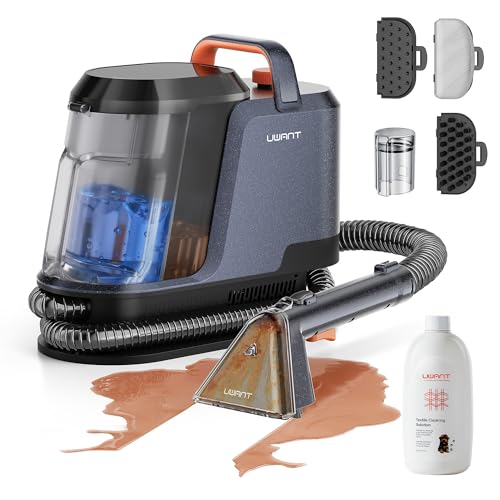
I recommend using a gentle vacuum to remove dust and debris from your soft surfaces. A brush attachment works wonders for getting into crevices without causing damage. Regular maintenance can prevent the buildup of grime, making deep cleaning efforts less frequent.
For stains, a mixture of mild dish soap and water serves as an effective solution. Dampen a clean cloth with the mixture, gently blot the stained area, and avoid saturating the fabric. Follow up with a dry cloth to absorb excess moisture, which aids in preventing water spots.
For persistent odors, placing baking soda on the fabric can help. Let it sit for several hours or overnight, then thoroughly vacuum it away. This simple trick neutralizes smells without the need for harsh chemicals, leaving a fresher scent.
In cases where your items require a more thorough refresh, consider using steam cleaning. It eliminates bacteria and lifts dirt without the need for chemical cleaners. Always check the manufacturer’s instructions to ensure your surfaces are steam-safe before proceeding.
How to Clean Upholstered Furniture at Home
Use a vacuum with an upholstery attachment to remove dust and debris from the surface and crevices. I find it useful to vacuum in the direction of the fabric’s nap to avoid damage.
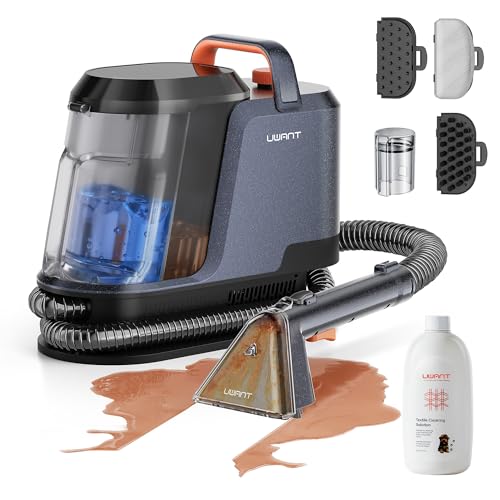


Create a cleaning solution by mixing equal parts of water and white vinegar in a spray bottle. Lightly mist the affected areas, avoiding oversaturation. Dab with a soft cloth to lift stains.
For stubborn spots, a mild dish soap can be incorporated. Mix a small amount with warm water, dampen a cloth in the mixture, and gently scrub the area, wiping any residue with a separate damp cloth.
Rinse thoroughly with a clean cloth dampened in plain water to remove soap or vinegar residue. Allow the fabric to air dry completely, as moisture can cause mildew.
To refresh the scent of the material, sprinkle baking soda over the surface and let it sit for at least 15 minutes before vacuuming it up. This effectively absorbs odors.
If your piece features removable covers, check the care label for machine washing instructions. This method often yields optimal results for thorough cleaning.
Always perform a patch test on a hidden area before applying any cleaning solution to ensure that the fabric won’t be damaged or discolored.
Identify the Fabric Type of Your Upholstery
First, check for a care label, typically found beneath a cushion or in a hidden seam, which indicates the material type. Common fabrics include cotton, polyester, linen, leather, and silk. Each fabric requires a different approach for maintenance and spot treatment.
Visual Assessment
Examine the texture and appearance. Cotton has a soft, natural feel; polyester appears smoother and shinier. Linen is more textured, while silk has a luxurious sheen. Leather feels supple and may show natural imperfections.
Fire Test
If safe and practical, conduct a simple burn test. Cut a small piece of the fabric and ignite it. Natural fibers like cotton and linen will burn quickly and smell like paper, while synthetic materials like polyester will melt and emit a chemical odor. This test should only be performed with caution.
Identifying the fabric type is a critical step in using appropriate cleaning methods and products. Proper knowledge ensures maintaining the quality and extending the lifespan of your seating upholstery.
Gather Necessary Cleaning Supplies
I’ll gather all required items before tackling the task. For spot treatment, I have a soft cloth or sponge ready to absorb any excess moisture or stains. A vacuum cleaner with an upholstery attachment is crucial to removing dirt and debris from textured surfaces.
I also keep a mild fabric cleaner, ensuring it’s suitable for the specific material I’m dealing with. If needed, I can create a homemade solution using a mix of water and vinegar, which acts as a gentle deodorizer. A spray bottle is helpful for easy application of any cleaning mixture.
Additionally, brushes with soft bristles are useful for lifting dirt from delicate fabrics without damage. I have a microfiber cloth on hand, perfect for finishing touches after the cleaning process. Gloves protect my hands and prevent residue from the cleaning products. Finally, having a bucket nearby makes it convenient to mix solutions and keep my workspace organized.
Spot Test Your Cleaning Solution
I always perform a spot test before using any cleaning mixture. Choose a hidden area of the material first, like the back or underside, and apply a small amount of the solution using a clean cloth. Wait a few minutes to see if there is any discoloration or damage. If there’s nothing noticeable, I proceed with confidence.
Selecting the Right Spot for Testing
Picking the correct spot is key. Look for an area that is not easily visible but is similar to the rest of the surface in texture and color. Testing in the right location helps ensure the solution will not react negatively with the entire piece.
Observing the Results
After applying the cleaner, I carefully monitor for any reactions. Changes in color, texture alterations, or any other concerns should be noted. If all looks good, it’s safe to use the solution on the main visible areas. If any adverse effects occur, I switch to a different cleaning method or product.
Remove Loose Dirt and Debris
I recommend using a vacuum cleaner with an upholstery attachment. This specialized tool effectively reaches into the fabric’s texture, lifting away dirt and crumbs that settle deep within. Ensure the vacuum is set to a low suction level to prevent any damage to the material.
If the upholstery is delicate, utilize a soft brush or lint roller to gather surface debris gently. For stubborn particles, a slightly damp microfiber cloth can help lift them without saturating the fabric. Always work in the direction of the weave to avoid fraying.
<p Regularly checking under cushions can reveal hidden dust and particles. Gently shaking the cushions also aids in dislodging debris. For larger pieces, such as sofas or chairs, maneuver the entire piece to access areas that might not be visible.
Apply Cleaning Solution to Stains
I recommend carefully applying the chosen cleaning solution directly onto the stain. Use a clean cloth or a soft sponge for this task. Dampen the cloth with the solution, ensuring it’s not soaking wet to prevent oversaturation.
Steps to Apply the Solution
- Gently dab the stained area, working from the outside in to avoid spreading the stain further.
- Do not rub aggressively, as this may damage the fibers of the material.
- Allow the solution to sit on the stain for a few minutes to break down the substance.
Post-Application Care
- Blot the area with a dry cloth afterward to absorb excess moisture and loosened dirt.
- If necessary, repeat the process for persistent stains, but ensure to follow the instructions for dilution carefully to avoid damage.
After treating the area, let it air dry completely before using the item again. This can help prevent any residual moisture from attracting more dirt.
Use Steam Cleaning for Deep Dirt Removal
Utilizing steam for thorough dirt extraction significantly improves the appearance of your textile surfaces. Steam machines effectively provide high-temperature moisture that lifts away stubborn grime and allergens without the need for harsh chemicals.
Steps for Effective Steam Cleaning
To begin, ensure your steaming device is suited for fabric treatments. Thoroughly read the manufacturer’s instructions before use.
Next, vacuum the surface to remove loose debris, preparing it for the steam process. Adjust the steam settings based on the material; delicate fabrics may require lower temperatures. Keep the nozzle about 6 inches away for safety and efficiency.
Safety and Maintenance Tips
Always conduct a spot test on an inconspicuous area. This verifies that the steam does not damage the textile fibers or alter colors. Steaming should be done in slow, even passes to prevent water from saturating any part, which could damage the structure.
| Step | Action |
|---|---|
| 1 | Vacuum surfaces thoroughly. |
| 2 | Adjust steam settings based on fabric type. |
| 3 | Perform spot test to check for reactions. |
| 4 | Steam in slow, even strokes. |
| 5 | Allow time to dry before use. |
After steaming, let the treated areas dry completely, which helps in maintaining both the structure and aesthetic appeal of your textiles. Regular usage of steam cleaning can prolong their lifespan and enhance their appearance.
Dry the Upholstered Surface Properly
After treating any spots or stains, I always ensure to dry the fabric thoroughly to prevent mildew and maintain the integrity of the material. I start by opening all windows to promote air circulation. If possible, I place the item outside in a shaded area to take advantage of natural airflow.
For quick drying indoors, I employ fans aimed at the surface. I often use a blow dryer on a cool setting, keeping it at a safe distance to avoid damage. I gently pat the wet spots with dry towels to absorb moisture while avoiding excessive rubbing, which could distort the fibers.
Checking the fabric periodically helps to monitor drying progress. Once the surface feels damp-free and cool to the touch, I resist the temptation to use it immediately. It’s generally wise to allow extra time for complete drying to avoid lingering odors or damage.
Maintain Upholstery with Regular Care Tips
Regularly vacuuming the fabric helps to prevent dirt build-up and prolongs the life of the material. Aim for at least weekly sessions, using an upholstery attachment to reach crevices where dust accumulates.
Daily Practices
- Use a lint roller for quick surface clean-ups to remove hair and debris.
- Rotate cushions regularly to ensure even wear and prevent sagging.
- Avoid placing furniture in direct sunlight to reduce fading.
Periodic Maintenance
- Check for loose threads or seams; re-stitch if necessary to prevent further damage.
- Consider using a fabric protectant to guard against spills and stains.
- Schedule professional cleaning once a year for deeper sanitation.
By integrating these practices into your routine, the longevity and appearance of your textiles will significantly improve. Regular attention keeps surfaces looking fresh and inviting, enhancing both comfort and aesthetics.
FAQ:
What are the best methods for cleaning upholstered furniture at home?
There are several methods to effectively clean upholstered furniture at home. One popular method is to use a vacuum cleaner with an upholstery attachment to remove loose dirt and debris. For spots and stains, a mixture of mild dish soap and water can be applied with a soft cloth. Blot the stain gently, avoiding scrubbing which could damage the fabric. For deeper cleaning, steam cleaners can be used, being cautious to follow the manufacturer’s instructions to avoid damage to the upholstery. Always check the care label on the furniture for specific cleaning recommendations.
Can I use regular household cleaners on my upholstered furniture?
It’s generally not advisable to use regular household cleaners on upholstered furniture unless the product is specifically designed for fabric. Many household cleaners contain harsh chemicals that can damage the fibers or alter the color of the upholstery. Instead, opt for gentle cleaners that are suitable for fabrics. Always test a small, inconspicuous area first before applying any cleaner widely across the furniture.
How do I remove pet odors from my upholstered furniture?
To remove pet odors, start by vacuuming the upholstery thoroughly to remove any pet hair and dander. After vacuuming, sprinkle baking soda over the affected areas and let it sit for several hours or overnight. Baking soda is effective in absorbing odors. Once the time has passed, vacuum the baking soda off. Additionally, using a mixture of water and white vinegar in a spray bottle can help neutralize odors. Lightly spray the solution on the surface and allow it to dry completely. Always test on a small area first to ensure there is no adverse reaction.
Is it safe to use water on upholstered furniture?
Using water on upholstered furniture depends on the type of fabric. Many fabrics are water-safe, but some may be sensitive to moisture and could be damaged or discolored. Always check the care label for guidance. If it indicates a water-based cleaning method (often denoted by a “W”), then you can safely use water. For fabrics labeled with “S,” which stand for solvent, only solvent-based cleaners should be used. It’s best to avoid saturating the fabric, as excessive moisture can lead to mildew or mold.
How can I prevent stains on my upholstered furniture?
Preventing stains on upholstered furniture involves a combination of protective measures and regular maintenance. Consider using a fabric protector spray designed for upholstery, which can create a barrier against spills and stains. Additionally, establish a routine for cleaning the furniture by vacuuming regularly to remove dust and dirt. If possible, address spills immediately by blotting with a clean, dry cloth to absorb the liquid before it sets. Placing coasters or trays under drinks can also help minimize the risk of accidental spills.


