
 Caleb Turner
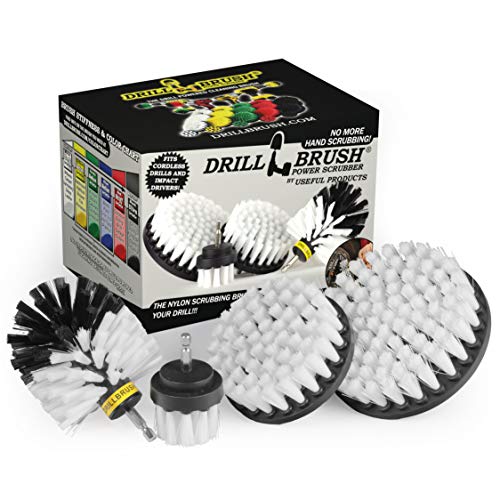
Mix a solution of warm water and mild soap, then soak a soft cloth into it. With gentle strokes, wipe down the surface of your wicker seating to remove dirt and grime. Avoid harsh chemicals, as they can damage the material. Rinse the cloth with clean water and go over the furniture again to ensure no soap residue remains.
For stubborn stains, create a paste using baking soda and water. Apply it directly to the stain and let it sit for 10-15 minutes before scrubbing with a soft brush. This natural remedy effectively lifts discoloration without risking any damage to the weave.
Once you’ve tackled the cleaning, let the piece air dry completely to prevent moisture buildup. Consider using a protective spray designed for outdoor items to extend the life and appearance of your seating.
Regular maintenance, such as sweeping off debris and covering during inclement weather, can significantly minimize the need for extensive cleaning sessions.


Gather the Necessary Cleaning Supplies
Before tackling the task at hand, I ensure I have all required materials ready. Here’s what I typically include:
- Soft-bristle brush: Ideal for removing dust and debris without damaging the surface.
- Microfiber cloths: Perfect for wiping down surfaces and soaking up spills.
- Bucket: Used for mixing cleaning solutions and rinsing materials.
- Warm water: An effective solvent that aids in loosening dirt and grime.
- Gentle soap: Opt for a mild detergent that won’t harm the finish of my items.
- White vinegar: A natural alternative that helps eliminate odors and stains.
- Garden hose (if applicable): Useful for rinsing outdoor pieces thoroughly.
- Protective gloves: Important for keeping my hands safe from harsh substances.
With these supplies in hand, I feel prepared to efficiently refresh my seating or lounging pieces, ensuring they look their best.
Dust and Remove Loose Debris from the Furniture
I begin by utilizing a microfiber cloth or a soft-bristled brush. This helps to effectively capture dust without scratching the surface. I gently wipe down every nook and cranny, ensuring I pay attention to the crevices where dirt tends to accumulate.
If there’s an accumulation of larger particles, such as leaves or tiny twigs, I use a handheld vacuum or a small brush to remove them. This keeps the area tidy and makes subsequent maintenance easier.
To tackle stubborn debris, a damp cloth can be employed. I add a small amount of soapy water, ensuring it’s not overly wet, and wipe the surface delicately. This method lifts stubborn dust without damaging the material.
I repeat this process regularly to maintain a clean appearance and prolong the lifespan of the items. Quick dusting sessions can make a significant difference in upkeep and aesthetics.
Prepare a gentle cleaning solution
I recommend mixing a solution of warm water and a few drops of mild dish soap. This gentle mixture effectively removes dirt and grime without causing damage. Aim for a concentration where the water remains clear with just a hint of soap; too much can leave a residue.
Test the solution
Before applying the mixture to all surfaces, test it on a small, inconspicuous area. This ensures that it doesn’t cause any discoloration or adverse reactions. Wait a few minutes to allow the test area to dry, then check for any changes.
Adjust as necessary
If the solution is too soapy or not cutting through the grime, adjust the proportions accordingly. A good balance is key for effective maintenance while preserving the integrity of the material.
Use a Soft Brush for Scrubbing
A soft-bristled brush is my go-to tool for scrubbing purposes. It effectively removes grime without risking damage to the surface. Choose a brush with gentle bristles; a dedicated upholstery brush or a clean, unused paintbrush works well.
Technique Tips
Begin by lightly dampening the brush with your prepared cleaning solution. Move in a circular motion to lift dirt and stains. Pay special attention to grooves and crevices where debris tends to accumulate. Avoid excessive pressure to prevent scratching.
Maintenance Consideration
Regular brushing keeps surfaces looking new. After scrubbing, let everything dry completely. This practice not only enhances appearance but also prolongs the lifespan of your items.
| Brush Type | Use Case |
|---|---|
| Upholstery Brush | Great for general scrubbing |
| Paintbrush | Ideal for tight spaces and detailed areas |
| Soft-Bristled Toothbrush | Perfect for intricate patterns and small areas |
Rinse Thoroughly with Water
After scrubbing the surface, the next step is to rinse everything thoroughly with water. This is crucial to remove any soap residue and ensure the longevity of your items.
Follow these guidelines for effective rinsing:
- Use a hose or a bucket of clean water. Make sure the water is at a moderate temperature to avoid any potential damage.
- Direct the water flow to all areas, ensuring that every nook and cranny is reached. Pay special attention to corners where dirt may accumulate.
- Continue rinsing until the water runs clear, signifying that all cleaning solution has been removed.
Once rinsed, allow the pieces to air dry completely. Avoid using heat sources, as they can warp or damage the material.
Dry the furniture properly
After rinsing, it’s crucial to ensure that the outdoor seating is dried effectively to prevent mold and mildew. I recommend placing the items in a sunny spot, as direct sunlight facilitates quicker evaporation. If the weather doesn’t cooperate, using a fan can help circulate air around the pieces.
In addition, I use a microfiber cloth to gently wipe down surfaces, absorbing excess moisture. For areas that might retain water, like joints and crevices, I ensure that I check and dry them thoroughly to avoid any trapped dampness.
Use an absorbent material
I keep several absorbent towels on hand and employ them to blot any remaining wet spots. This step is particularly vital for ensuring that no water collects in hard-to-reach areas following the washing process.
Extend exposed drying time
Often, I leave the items outside for a few extra hours after drying to allow them to air out completely. By doing this, I eliminate the risk of any lingering moisture, ensuring the long-lasting integrity of my outdoor décor.
Apply protective treatment for longevity
I recommend using a UV protective spray specifically formulated for outdoor materials. This treatment helps in preventing fading and degradation caused by sun exposure, significantly extending the lifespan of your items. Ensure that the furniture is thoroughly dry before application to avoid trapping moisture, which can lead to mold or mildew.
Regular maintenance
Reapply the protective treatment at least once a year, or more frequently if your pieces are frequently exposed to harsh weather conditions. This proactive step will maintain the appearance and durability, keeping your outdoor decor looking fresh and inviting.
Storage considerations
During off-seasons or extreme weather, store the items in a dry, shaded area. If indoor storage isn’t an option, consider using protective covers which can shield against dust, dirt, and moisture while allowing air circulation.
FAQ:
What materials do I need to clean synthetic rattan furniture?
To clean synthetic rattan furniture, you will need a few basic materials: a soft brush or cloth, a bucket of warm water, mild soap or detergent, a spray bottle, and a towel for drying. If your furniture has tough stains, a mixture of vinegar and water can also be helpful.
How often should I clean my synthetic rattan furniture?
It’s advisable to clean synthetic rattan furniture at least once a season to maintain its appearance and durability. However, if the furniture is exposed to the elements or used frequently, you might want to clean it more often, perhaps every month or after any spills or noticeable dirt.
Can I use a pressure washer to clean synthetic rattan furniture?
Using a pressure washer is not recommended for synthetic rattan furniture. The high pressure can damage the material and lead to cracks or leaks. Instead, stick to gentle cleaning methods, such as using a soft brush or cloth combined with soapy water to preserve the integrity of the furniture.
What should I do if my synthetic rattan furniture has mildew?
If you notice mildew on your synthetic rattan furniture, mix equal parts of water and vinegar in a spray bottle. Spray the affected areas and let it sit for 10-15 minutes. Then, scrub gently with a soft brush and rinse thoroughly with clean water. Ensure the furniture dries completely to prevent further mildew growth.
Is it safe to use bleach on synthetic rattan furniture?
Using bleach on synthetic rattan furniture is not advisable as it can lead to discoloration and damage the material. Instead, opt for mild soap or a gentle cleaning solution. If you need a strong cleaner, look for products specifically designed for synthetic materials that will not harm the finish.


