
 Caleb Turner
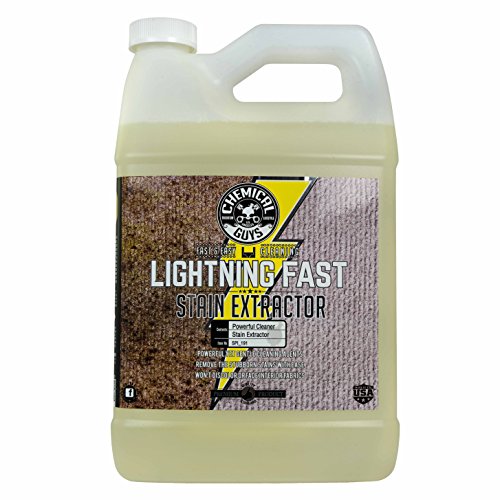
For optimal upkeep, I suggest employing a soft, lint-free cloth for dusting your treasured pieces regularly. This simple action helps prevent debris accumulation that could lead to long-term damage.
Utilizing a mild, pH-balanced cleaner specifically designed for upholstery is essential. Diluting the cleaner with water, I always spot-test in an inconspicuous area first. This ensures the fabric’s color and texture remain intact before proceeding with more extensive treatment.


In case of spills, I tackle them immediately by blotting, not rubbing, with a clean, absorbent cloth. This minimizes the chances of stains setting in and becoming problematic over time. For tougher stains, I blend water with a drop of gentle soap and apply it carefully.
Lastly, I recommend regularly rotating cushions to promote even wear. Doing this prolongs their lifespan and helps maintain their shape and comfort. Following these methods ensures that your cherished items remain as stunning as the day you acquired them.
Cleaning Tips for Your Kevin Charles Collection
For optimal results, I use a damp microfiber cloth to wipe surfaces and remove dust. This material is gentle yet effective, preventing scratches while picking up grime efficiently.
Spot Treatment for Stains
For any stubborn spots, I mix a solution of water and mild dish soap. Dabbing this mixture onto the stain with a soft cloth works wonders. I ensure not to soak the fabric, as excess moisture can damage the upholstery.
Cushion Maintenance
I recommend vacuuming cushions weekly with an upholstery attachment. This action helps to remove pet hair, crumbs, and allergens. For deep cleaning, I utilize a fabric refresher spray that neutralizes odors without over-saturating the material.
Lastly, limit exposure to direct sunlight to prevent fading over time. Regular care extends the life of the pieces, keeping them looking fresh and inviting.
Assessing the Material of Your Furniture
Identify the type of material to determine the appropriate care methods. Check labels for specific information on upholstery and surfaces. Common materials include leather, microfiber, wood, and metal.
Material Types and Care Methods
| Material | Care Instructions |
|---|---|
| Leather | Use a damp cloth for dusting. Apply a leather conditioner every 6-12 months. |
| Microfiber | Vacuum regularly. Use a mild soap solution for stains; blot instead of rubbing. |
| Wood | Dust with a dry cloth. Use wood polish for protection and shine. |
| Metal | Wipe with a soft, damp cloth. Apply a metal polish periodically to prevent tarnish. |
For mixed materials, tailor the approach based on the predominant surface. Always test any cleaning solution on a hidden area first to ensure it won’t cause damage.
Testing and Observing
Before proceeding with any care instructions, assess the material’s durability. Gently scratch the surface with a fingernail to see if it leaves a mark. Check for discoloration or fading under direct sunlight exposure. This assessment will guide future maintenance strategies.
Gathering Cleaning Supplies
Begin by collecting microfiber cloths. These are ideal for absorbing dust and debris without damaging the surface. Choose several to ensure you have enough for different cleaning tasks.
Next, acquire a gentle cleaning solution specifically formulated for upholstery or wood, depending on the material of your piece. Ensure it is free from harsh chemicals that could harm the finish.
Make sure to have a soft-bristle brush on hand. This is perfect for loosening dirt in crevices without scratching the surface.
A vacuum cleaner with an upholstery attachment is also necessary for thorough dust removal. Using the right tool will help in reaching tight spots effectively.
Additional Tools
Consider purchasing a lint roller for quick touch-ups, particularly if the fabric attracts pet hair or lint regularly.
Lastly, keep a spray bottle filled with plain water nearby. This can be used to dampen cloths for those times when a simple wipe down is sufficient before applying any cleaning solution.
Removing Dust and Debris
The first step is to gather a microfiber cloth or a soft, lint-free cloth. This type of fabric effectively attracts dust without scratching surfaces.
I recommend starting at the top of your piece and working your way down. This ensures any dust that falls is collected as you clean.
Surface Cleaning
- Gently wipe down surfaces in straight strokes.
- For intricate details or crevices, use a soft-bristled brush or a cotton swab to reach those areas.
Regular Maintenance
- Dust weekly to prevent buildup.
- If you have pets, consider cleaning more frequently to account for shedding.
- Occasionally, vacuum upholstered sections with a brush attachment to eliminate trapped debris.
Regularly cleaning dust and debris maintains the appearance and longevity of your belongings, ensuring they remain in great condition for years to come.
Spot Cleaning Stains on Upholstery
For quick treatment of stains, use a clean, white cloth to blot the area immediately. Avoid rubbing, as this can spread the stain. Prepare a mixture of mild detergent and warm water in a bowl. Dip a corner of the cloth into the solution, wring it out, and gently dab the stained area.
If the stain persists, create a solution of equal parts white vinegar and water. Test on a discreet area first. Apply with a cloth, blotting until the stain lifts. Rinse with a cloth dampened in clean water to remove residues.
For tougher spots, consider using a proprietary upholstery cleaner. Ensure it’s suitable for the fabric type. Apply according to the manufacturer’s instructions, ensuring thorough blotting both during and after application.
After spot treatment, allow the upholstery to air dry, avoiding direct sunlight to prevent fading. If needed, vacuum the area once dry to restore texture.
Cleaning Wood Surfaces Safely
For polished wooden surfaces, I recommend using a mixture of equal parts vinegar and water for a gentle yet effective solution. Dampen a microfiber cloth with this mixture and wipe the surface to remove grime without causing harm.
Choosing the Right Cloth
Utilizing a soft, lint-free cloth ensures that there are no scratches or blemishes. Avoid using paper towels, as they can leave scratches or fibers on the finish.
Drying Techniques
After applying the cleaning solution, I always dry the surface with a clean, dry cloth. This prevents moisture from seeping into the wood, which can cause warping or damage over time.
To maintain shine, consider applying a wood polish made specifically for your type of finish. Apply sparingly and buff with a soft cloth for a polished look.
Using Appropriate Cleaners for Different Fabrics
Choosing the right cleaning agents begins with identifying the type of material. Here’s a guide for effective outcomes:
Upholstery
- Polyester and Nylon: Use a mixture of mild dish soap and water. Test on a hidden area first, then apply gently with a soft cloth.
- Leather: Utilize a specialized leather cleaner or a mix of equal parts vinegar and water. Avoid soaking, and always dry with a soft, dry cloth.
- Natural Fabrics (Cotton, Linen): A gentle solution of laundry detergent diluted in water works well. Blot the stain, don’t scrub.
Wooden Surfaces
- Polished Finishes: A soft, damp cloth with a few drops of baby oil will enhance shine while providing a protective layer.
- Unfinished Wood: Use a mixture of vinegar and water, applying with a microfiber cloth. This helps avoid damage from excess moisture.
Always perform a patch test prior to full application. This minimizes the risk of discoloration and ensures compatibility with your pieces.
Maintaining the Condition of Leather
Regular conditioning is key; I apply a leather conditioner every six months to prevent drying and cracking. This ensures the material retains its suppleness and shine. When selecting a conditioner, I opt for one specifically designed for the leather type used in my pieces.
For maintenance, I use a soft, lint-free cloth to wipe down the leather weekly. This removes oils and dirt without scratching the surface. I make sure to avoid harsh chemicals or abrasive materials that could damage the finish.
In case of spills, I act swiftly by blotting the area gently with a clean cloth, avoiding rubbing to prevent spreading. If the stain persists, I use a suitable leather cleaner, testing it on a hidden area first to check for adverse reactions.
Control humidity levels in the room, keeping them between 40-60%, as excessive moisture can lead to mold growth, while too little can dry out the material. For long-term preservation, I avoid placing leather items in direct sunlight or near heat sources, which can fade colors and dry out the surface.
Regular Maintenance Tips for Longevity
Regularly inspecting all surfaces for signs of wear is crucial. I check for scratches, dents, or fraying fabrics. Addressing issues promptly prevents further damage.
I incorporate a scheduled dusting routine using a microfiber cloth to avoid surface buildup. This simple task keeps dirt from settling into fabric fibers or wood grains.
Positioning items thoughtfully around the pieces helps prevent scratches and marks. I use coasters for beverages and place protective mats under décor items.
Occasionally rotating cushions and pillows extends their lifespan. I flip and rotate them to ensure even wear, especially in high-use areas.
Maintaining humidity levels in the environment can significantly impact the integrity of wood products. I use a humidifier or dehumidifier to keep levels stable, especially in extreme weather conditions.
I make it a point to periodically condition leather treatments, as these protect against drying and cracking. Applying a quality conditioner every 6-12 months keeps the material supple.
Lastly, I recommend keeping direct sunlight at bay. Using curtains or blinds protects upholstery and wood from fading and deterioration caused by UV rays.


