Caleb Turner

To effectively tackle infestations in your belongings, I recommend starting with a thorough inspection of all surfaces. Identify points of potential breeding grounds, focusing on crevices and seams in upholstery. Most critters thrive in warm, humid environments, so don’t overlook areas like the underside of cushions or the inner parts of cabinets.
Utilize a vacuum cleaner with a HEPA filter for maximum absorption capabilities. This step will help in collecting adult insects and their eggs from surfaces efficiently. Ensure you dispose of the vacuum bag immediately to prevent any risk of re-infestation. Additionally, washing removable fabrics in hot water can eliminate many pests, as high temperatures are lethal to eggs and larvae.
For non-washable items, I suggest applying steam treatment. Steamers can reach high temperatures that help eradicate hidden life stages. Be thorough, and ensure you focus on areas frequently used, as this is where these unwanted guests tend to gather.
Consider using specific insecticidal sprays designed for infested items. Always read the label to confirm that it’s safe for the materials you are treating. Apply consistently in all affected zones, allowing adequate time for the solution to dry before reuse.


Stay vigilant even after treatment and regularly check for renewed activity. Monitoring and repeating the cleaning process are key to maintaining a pest-free environment.
Methods to Eliminate Parasites from Household Items
Begin with high-temperature washing using soap or detergent. When possible, remove covers and cushions for thorough treatment. Use the hottest water setting and dry on high heat for at least 30 minutes. This will effectively eradicate any unwelcome visitors within the fabric.
Vacuuming Techniques
Utilize a vacuum with a HEPA filter to capture tiny pests and their eggs. Pay close attention to seams, crevices, and hidden areas where they may reside. After vacuuming, seal the bag or contents tightly and dispose of it outside your living space to avoid re-infestation.
Steam Application
A steam cleaner offers an efficient solution to make sure no critters remain in your surroundings. Aim for areas with a temperature of at least 130°F (54°C). Pass the steam wand over surfaces slowly, allowing the heat to penetrate and eliminate stubborn larvae or adults.
Identify the Types of Furniture Infested with Lice
To effectively address the issue, I pinpoint specific items that may harbor these parasites. Common suspects include upholstered seating such as couches and chairs, where fibers provide an ideal environment for infestation. Bed frames and mattresses can also serve as hiding places, particularly if they feature fabric or seem well-worn. Antique or heavily used wooden items like dressers and wardrobes might trap eggs in crevices, making them prime candidates for thorough inspections.
Textiles and Accessories
I also check cushions, blankets, and throws, as these are easily transported and can harbor small nuisances. Curtains and drapes can be overlooked, yet they offer a suitable habitat as well. Soft toys and other fabric items present within a living space may also require attention. It’s crucial to identify every textile present in the area to ensure a comprehensive approach.
Wooden and Plastic Surfaces
Wooden surfaces, while less likely to be directly affected, can still have eggs or shells attached, especially in places where fabric is integrated. Plastic items, though not typical hiding spots, should be cleaned just in case, particularly if they are in close contact with covered areas. Attention to detail in these areas will enhance my efforts in eradicating the infestation.
Gather Necessary Cleaning Supplies and Tools
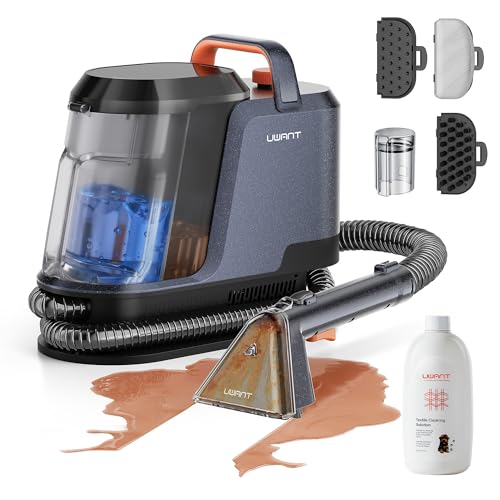
To effectively tackle the infestation, I ensure I have specific items on hand. A vacuum cleaner with a HEPA filter is my first choice; it efficiently captures tiny insects and larvae hiding in upholstery and seams. I also grab an upholstery brush, which is essential for loosening debris and pests embedded in the fabric.
Recommended Cleaning Agents
I include rubbing alcohol or a commercial pesticide specifically designed for soft furnishings. Both products can help eliminate unwanted visitors on contact. I also utilize natural solutions, like a vinegar-water mixture, which serves as a disinfectant and repellent.
Protective Gear
To safeguard myself during the process, I wear latex gloves and a face mask. These items protect against chemicals while preventing direct contact with any insects. It’s also wise to have a lint roller available for quick removal of any residue after using the vacuum and brush.
Vacuuming Techniques for Infested Furniture
Begin with selecting a vacuum equipped with a HEPA filter. This type captures tiny particles, increasing removal efficiency.
Follow these steps:
- Remove all cushions and loose covers. Vacuum each section thoroughly.
- Utilize crevice tools to target seams, cracks, and joints where pests often hide.
- Adjust the vacuum height based on the surface type–lower for upholstery and higher for wood.
- Vacuum in multiple directions over each area to ensure maximum reach.
- Pay extra attention to areas near legs, arms, and under cushions.
After vacuuming:
- Seal the vacuum bag or empty the canister immediately to prevent re-infestation.
- Consider using a disposable vacuum bag for added security.
Repeat this process weekly until you no longer observe any signs of infestation.
Using Heat Treatment to Kill Infestations on Surfaces
Thermal exposure is an effective method to eliminate unwanted pests that may inhabit various surfaces. I recommend using a steamer or a heat gun, as both provide high temperatures capable of killing these insects on contact.
Steam Method
Utilizing a steamer, set it to a temperature between 130°F to 160°F (54°C to 71°C). Move the nozzle slowly over the affected areas, ensuring that the steam penetrates seams and crevices. This method not only eradicates the pests but also their eggs. Allow surfaces to dry completely after treatment, as moisture can invite re-infestation.
Heat Gun Method
If choosing a heat gun, adjust it to a medium setting and keep it at least six inches away from surfaces. Sweep it consistently over the infested areas, concentrating on hidden spots where these pests like to dwell. Ensure the temperature remains high enough for a sufficient duration to exterminate all life stages present.
Remember to wear protective gear, including gloves and goggles, during these processes to avoid burns or injury. After completing thermal treatment, consider combining it with vacuuming to capture any remaining debris, ensuring a thorough approach to pest control.
Applying Safe Cleaning Solutions on Fabrics
Using natural or chemical solutions requires careful selection to ensure the safety of the materials. Opt for gentle yet effective products designed for delicate surfaces.
Recommended Solutions
- White vinegar: Dilute with water in a 1:1 ratio. This mixture not only sanitizes but also helps in deodorizing.
- Baking soda: Sprinkle onto the fabric, let it sit for a few hours, then vacuum. It absorbs odors and moisture.
- Specialized upholstery cleaners: Look for enzymatic types that target organic matter while remaining fabric-friendly.
Application Techniques
- Perform a patch test on a hidden area to check for any reaction.
- Apply the solution using a spray bottle or soft cloth. Avoid soaking the material excessively.
- Use a soft brush to gently agitate the area, allowing the solution to penetrate the fibers.
- Wipe away any excess moisture with a clean, dry cloth.
- Allow the fabric to air dry completely, ensuring proper ventilation.
These methodologies ensure that your surfaces are treated carefully while eliminating unwelcome inhabitants effectively.
Preventing Future Infestations on Furniture
Regularly inspect soft furnishings such as sofas, chairs, and cushions for any signs of new activity. Check seams, undersides, and hidden corners where these pests might hide.
Utilize protective covers on your cushions and upholstered items. Wash and replace these covers frequently to minimize risk.
Maintain a clean environment by vacuuming carpets and rugs often. Use a vacuum with a HEPA filter to trap any lingering eggs or insects effectively.
Store out-of-season textiles in airtight containers. This prevents any potential intruders from accessing them during their dormant phase.
Encourage everyone in the household to practice personal hygiene regularly, especially when traveling or coming into contact with unfamiliar places, as this can significantly lower the chances of bringing pests home.
Consider using insect repellents designed for fabrics, ensuring they are safe for the materials at hand. Apply these products according to the manufacturer’s instructions, particularly in high-risk areas.
Engaging professional pest control services for regular assessments can provide peace of mind and a proactive approach to prevention.
Disposing of Contaminated Items Properly
Place any items that cannot be treated or sanitized in a sealed plastic bag. This helps contain any remaining pests. Use strong bags and ensure they are completely closed to prevent any escape. Items may include stuffed toys, cushions, or rugs that are heavily infested.
Label the bags clearly with a marker, indicating their contents and the nature of contamination. This aids in identifying what should be disposed of and can prevent accidental reuse.
Safe Disposal Methods
Check local regulations for disposing of infested items. Many areas allow you to throw such items in regular household waste, but some might require specific procedures. For example, larger items like mattresses might need to be taken to a designated disposal site.
Consider contacting waste management services for guidance on bulk waste or hazardous materials if you are unsure of the best approach.
Alternative Disposal Options
If you prefer to recycle, research local programs that accept furnishings and other related items. Ensure the recycling facility can properly handle infested materials.
| Item Type | Disposal Method |
|---|---|
| Stuffed Toys | Seal and throw in regular trash |
| Cushions | Check for local disposal guidelines |
| Rugs | Bag and discard in bulk waste |
| Mattresses | Contact bulk waste service for pickup |
By following these disposal steps, I can ensure a more thorough eradication effort and reduce the risk of re-infestation in my living space.