
 Caleb Turner

Mix a solution of water and white vinegar in equal parts. This natural remedy effectively tackles unsightly green growth on surfaces. Apply the mixture with a spray bottle or cloth, letting it sit for about 15 minutes. The acidity of the vinegar aids in breaking down the stubborn residue.
For more persistent stains, create a paste using baking soda and water. Apply this paste directly onto the affected spots and gently scrub with a soft brush. This method not only removes discoloration but also helps avoid scratching the material underneath.
Rinse the treated surfaces thoroughly with water to ensure all residues are washed away. After rinsing, allow them to air dry completely. This step is crucial, as moisture can lead to further growth if not adequately dried.
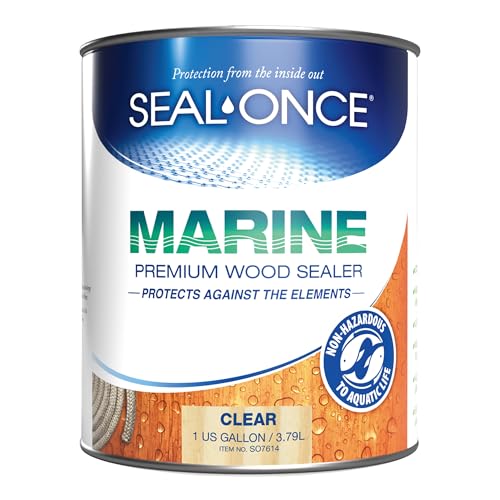
To prevent future occurrences, consider applying a protective sealant designed for outdoor items. This barrier can significantly reduce the chances of any unwanted green growth returning. Regular maintenance will keep your seating and tables looking their best, enhancing your outdoor experience.

Identifying Types of Algae on Furniture
I often encounter various forms of green growth on surfaces. Recognizing the specific type can enhance the approach to removal. The most common variety is a green film, which typically indicates a thriving environment with moisture and sunlight. This can often be rinsed away easily.
Blue-Green Species
Blue-green types might appear as a thicker, more textured layer. They require a more robust cleaning solution due to their stubborn nature. I recommend using a mixture of vinegar and water to tackle this type effectively.
Red and Brown Variants
Red or brown patches are generally a sign of a different issue, potentially linked to more desolate environments. These types are often more challenging to remove and may need a specialized cleaner. Mixing baking soda with water often helps in loosening these types when scrubbing.
Choosing the Right Cleaning Solutions for Algae
For effective removal, I rely on specialized solutions designed to target growth on surfaces. Look for products containing sodium hypochlorite or oxalic acid as they effectively break down and eliminate stubborn growths. Ensure compatibility with the material of your items before application to prevent damage.
Natural Alternatives
I often create a mixture using white vinegar and water in equal parts. This eco-friendly option not only helps with the organic matter but also leaves surfaces refreshed. For tougher spots, adding baking soda can enhance the cleaning power due to its mild abrasiveness.
Commercial Cleaners
When I opt for store-bought options, I choose those labeled as biodegradable or safe for outdoor use. Products like hydrogen peroxide solutions are effective while being gentler on the environment. Always follow the manufacturer’s instructions regarding dilution and application methods for the best results.
Step-by-Step Guide to Removal of Algae
Begin by gathering necessary tools: a soft-bristle brush, a bucket, and a garden hose. Choose a sunny day for the task, as direct sunlight aids the drying process and makes it easier to identify areas needing attention.
Preparation of the Area
Clear the vicinity of any objects surrounding the items to ensure an unobstructed workspace. Lay down a tarp or old cloth beneath to catch any debris that may fall during scrubbing.
Application of Cleaning Solution
Mix equal parts of water and a suitable cleaning solution in a bucket. Soak the brush in the mixture and start scrubbing the affected surfaces gently. Work in sections, focusing on one area at a time to ensure thorough coverage. Rinse each section with a hose as you go, removing residue and preventing the solution from drying on the surface.
After the initial scrub, allow the items to air dry in the sun. Once dry, inspect the surfaces. For any stubborn spots, repeat the scrubbing process with a bit more pressure. If needed, a diluted vinegar solution can help tackle persistent stains.
Finish by rinsing thoroughly one last time with clean water. Allow everything to dry completely before using the items again. This method preserves material integrity while effectively removing unwanted growths.
Protecting Furniture After Cleaning
To ensure longevity and maintain the appearance of your items, I recommend applying a protective finish after removal tasks. This creates a barrier against environmental elements and reduces future buildup.
Application of Sealants
Using a suitable sealant contributes to the durability of surfaces. Look for options that are specifically designed for the material of your items. Here’s how to do it:
- Choose a high-quality sealant formulated for the specific material.
- Ensure surfaces are completely dry before application.
- Apply an even coat following the manufacturer’s instructions.
- Allow adequate drying time before reusing or exposing to the elements.
Regular Maintenance Practices
Incorporate a routine maintenance schedule to extend the life of your items:
- Wipe surfaces weekly to prevent residue build-up.
- Store items indoors during adverse weather conditions.
- Cover with protective tarps or furniture covers when not in use.
Implementing these strategies will significantly enhance the durability of your outdoor belongings, ensuring they remain in pristine condition for years to come.
Best Tools for Algae Cleaning on Different Materials
For effective removal of unwanted growth from various surfaces, I’ve identified specific tools suited to different materials. Using the right instruments can significantly enhance the outcome.
Tools by Material Type
| Material | Recommended Tools | Notes |
|---|---|---|
| Wood | Soft-bristle brush, pressure washer | A pressure washer set to low pressure preserves the surface, while a soft-bristle brush prevents damage. |
| Metal (Aluminum, Steel) | Scouring pad, nylon brush | Use non-scratch pads to avoid surface scratches, and a nylon brush for detailed cleaning. |
| Plastic | Sponge, dish soap, or mild detergent | Soft sponges paired with a gentle solution effectively remove buildup without causing harm. |
| Fabric (Cushions, Upholstered Surfaces) | Cloth scrub, laundry brush | A cloth scrub combined with an appropriate textile cleaner cleans deeply without damaging the fibers. |
| Composite Materials | Soft brush, diluted white vinegar | Vinegar effectively addresses growth while the soft brush protects the finish. |
Understanding the material type of the items needing attention ensures I choose the most suitable tools, leading to optimal results without compromising integrity.
Preventive Measures to Stop Algae Growth
Applying a protective sealant to surfaces can greatly reduce moisture retention, preventing the development of unwanted growths. I recommend selecting a sealant specifically designed for the material of your items, such as wood or metal, ensuring longevity and effectiveness.
Regular exposure to sunlight can inhibit the growth of microorganisms. Positioning seating and tables in sunny spots is beneficial. Trimming nearby plants to increase airflow may also help, as stagnant, humid air fosters growth.
Maintenance Routine
Implement a consistent cleaning routine using mild soap and water to prevent accumulation. Wipe down surfaces weekly to remove debris and moisture, crucial elements for unwanted formations. Utilize a soft cloth or sponge to avoid scratching any surfaces.
Choosing Appropriate Locations
Considering the placement of your items is vital. Select areas that avoid excessive shade or moisture traps, such as under overhanging trees or near irrigation systems. Creating distance from water sources minimizes humidity levels around your seating areas.
FAQ:
What types of outdoor furniture are most affected by algae growth?
Outdoor furniture made from materials like wood, wrought iron, and plastic are commonly affected by algae growth. Wooden furniture can absorb moisture, which creates an ideal environment for algae. Wrought iron and plastic can also provide surfaces where algae can thrive, especially if they are exposed to shaded, damp areas. Regular maintenance of these materials can help minimize algae build-up.
What are some natural methods for removing algae from outdoor furniture?
One effective natural method involves mixing equal parts of water and white vinegar in a spray bottle. Spray the solution directly onto the affected areas and let it sit for about 30 minutes before scrubbing with a soft brush. Another option is to use a mixture of baking soda and water to create a paste, which can be applied and scrubbed off after a similar waiting period. Both methods are environmentally friendly and do not introduce harsh chemicals into your outdoor space.
How often should outdoor furniture be cleaned to prevent algae buildup?
Cleaning your outdoor furniture at least once every few months can help prevent algae growth, particularly in moist climates or during the rainy season. In addition to regular cleaning, it’s a good idea to inspect your furniture after heavy rains or prolonged periods of humidity, as these conditions can encourage algae. Wiping down the furniture after use, especially if it’s damp, can also be beneficial in reducing algae proliferation.
What cleaning products should be avoided when treating algae on outdoor furniture?
When cleaning algae from outdoor furniture, it’s best to avoid harsh chemicals such as bleach or ammonia-based cleaners. These products can damage the finishes of your furniture or the surrounding environment. Instead, opt for milder solutions or natural alternatives like vinegar or baking soda. If you use commercial cleaners, ensure they are specifically designed for outdoor furniture and safe for the material to avoid any adverse effects.


