
 Caleb Turner
Select round tables to create a more inviting atmosphere. They encourage conversation and maximize usable space, allowing for better movement around the area.
Utilize vertical space with wall-mounted shelves or cabinets. This approach not only provides storage but also keeps the floor clear, making the environment feel larger.


Incorporate multi-functional pieces, such as benches with storage or extendable tables. These versatile items can adapt to various needs, making them perfect for limited spaces.
Consider the arrangement of seating. Placing chairs against the wall or using ottomans can free up central space and enhance flow within the area.
Opt for lighter colors in décor and materials to create an illusion of depth and airiness, enhancing the overall sense of openness.
Optimal Placement Strategies for a Compact Eating Space
Position a round table in the center to promote flow around the area. This shape encourages conversation and maximizes seating without overwhelming the layout.
Select multi-functional seating options, such as benches or stools, which can be easily tucked away when not in use. This versatility allows for more space during gatherings or daily activities.
Utilize wall-mounted storage solutions, like shelves or cabinets, to keep the floor clear. This approach maintains an open feel while providing ample room for dining essentials.
Incorporate a mirror on one wall to visually expand the area. Reflections create an illusion of depth and light, making the setting appear larger than it is.
Experiment with a drop-leaf or extendable table for adaptability in seating arrangements. This type of surface can adjust based on the number of guests, ensuring comfort without sacrificing space.
Consider light-colored textiles and surfaces to enhance brightness and openness. Lighter shades can make the environment feel airy and spacious, contributing to a welcoming atmosphere.
Lastly, keep decor minimal to avoid clutter. A few well-placed ornamental pieces can add personality without crowding the environment, ensuring it remains functional and inviting.
Choose the Right Size Dining Table
Opt for a round table if space is at a premium. It promotes better flow and allows for easier movement around the area. A diameter of 36 to 48 inches typically accommodates four people comfortably. For larger gatherings, consider extending options that can adjust for additional guests.
Measure Your Space
Measure the available area before making a purchase. Leave at least 36 inches around the table for movement. This ensures no one feels cramped during meals. Keeping a clearance of 24 inches between seating and walls or other obstacles is also beneficial.
Consider Table Height
Select a table height that suits seating arrangements. Standard dining tables are usually 28 to 30 inches high, pairing well with chairs that are 18 inches from the ground. If bar stools are your choice, look for a table height of 40 to 42 inches. This combination allows for comfortable dining experiences.
Utilize Vertical Space with Shelves
Incorporating shelves into the design can significantly enhance the usability of your area. Use wall-mounted shelves to store dishes, glassware, or decorative items, freeing up valuable floor space. Opt for open shelving to create a lighter appearance, making the space feel less cramped.
Types of Shelves to Consider
Floating shelves provide versatility and a contemporary feel. These can be installed at varying heights for visual interest. Corner shelves effectively utilize those hard-to-reach spots, perfect for displaying plants or cookbooks.
Maximizing Storage
Install shelves above furniture pieces, such as a sideboard or console table, to draw the eye upwards. This strategy not only adds storage but also creates an illusion of height, contributing to a more spacious environment. Incorporate decorative boxes or baskets on shelves to keep items organized while adding texture and color.
Strategically placed shelving transforms vertical surfaces into functional areas without overwhelming the existing layout. By focusing on upward space, I create an inviting atmosphere that’s both efficient and stylish.
Incorporate Multifunctional Furniture
Opt for pieces that serve dual purposes, optimizing available space while enhancing functionality. For example, a dining table that expands for larger gatherings can be invaluable in a compact setting.
Examples of Multifunctional Pieces
- Storage Benches: These provide seating while offering built-in compartments for items like tablecloths and utensils.
- Convertible Tables: Select models that can transform from a full-size dining area to a smaller footprint or even a coffee table.
- Drop-leaf Tables: Perfect for tight spots, they can be adjusted based on the number of diners.
- Nested Tables: Convenient side tables can be pulled out when needed and tucked away during downtime.
Creative Arrangements
Position multifunctional items where they’re easily accessible yet do not obstruct movement. For example, aligning a storage bench against a wall allows for convenient access without crowding the space.
Using items with hidden storage can reduce visual clutter, creating an airy atmosphere. Prioritize choices that complement the room’s style while maximizing utility.
Position Furniture for Easy Movement
I recommend keeping pathways clear to maintain fluid motion throughout the area. A minimum of 30 inches of clearance between tables and walls or other pieces allows for comfortable navigation. Consider arranging seating around the table to promote accessibility from all sides.
Focal Points and Layout
Determine focal points, such as windows or art pieces, and position larger pieces away from these areas. This creates an inviting atmosphere while enhancing sightlines. Using a triangular layout can facilitate better traffic flow.
Mobility with Versatile Pieces
Opt for lightweight chairs that can be easily moved. Using stools instead of bulky chairs can provide flexibility, allowing you to reconfigure the setting for gatherings or intimate meals. Folding or stackable designs are an excellent choice for maximizing space when not in use.
| Type of Seating | Benefits |
|---|---|
| Standard Chairs | Sturdy, but less flexible for movement |
| Stools | Compact, easy to tuck away |
| Folding Chairs | Can be stored away when not needed |
| Bench Seating | Allows multiple people to sit while saving space |
Maintaining an open layout not only enhances mobility but also promotes a more inviting and functional environment for everyone.
Optimize Lighting for a Spacious Feel
Incorporating various lighting sources enhances the atmosphere significantly. Consider using a mix of ambient, task, and accent lights to create a layered effect. This combination allows for flexibility in adjusting brightness according to the time of day or occasion.
Layered Lighting
- Install a central ceiling fixture for general illumination.
- Use pendant lights or chandeliers to draw the eye upward and create visual height.
- Add wall sconces to provide warm, indirect lighting and save table space.
Use Light Colors
- Opt for light-colored shades or bulbs to maximize brightness.
- Choose reflective surfaces, such as mirrors or glossy furniture, to bounce light around the space.
- Consider sheer drapes to allow natural light while maintaining privacy.
Strategically placing mirrors opposite light sources further amplifies brightness and creates a sense of depth. This technique can effectively trick the eye into perceiving a larger area.
Finally, adjust the intensity of fixtures through dimmers to enhance versatility, making the atmosphere adaptable from casual meals to elegant gatherings.
Use Mirrors to Create Illusion of Space
I recommend incorporating mirrors to visually expand any area. Placing a large mirror against a wall can create depth and reflect light, making the environment feel more open. Position it across from a window to amplify natural light and improve brightness.
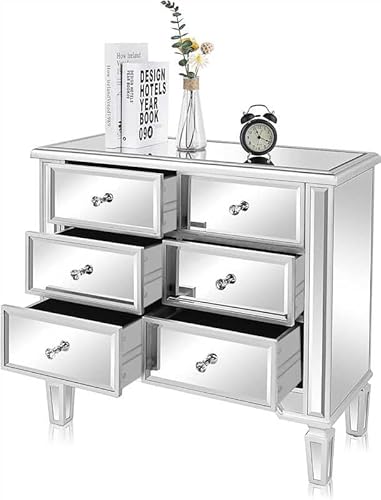
Consider using mirrored furniture or decor accents. These can add elegance while enhancing the illusion of spaciousness. For instance, a mirrored sideboard not only serves as storage but also reflects the surroundings.
Strategically placing multiple small mirrors can also enhance this effect. Arranging them in a gallery style on a wall adds interest while maintaining a sense of openness. Choose frames that match your existing décor to maintain a cohesive aesthetic.
Lastly, avoid cluttering the space near mirrors. Keep surfaces clear to prevent distraction from the expansion effect. The cleaner the lines, the better the illusion of a larger, more welcoming area will be.
Select Space-Saving Chairs
Opt for chairs that can be easily tucked away or stacked. Folding chairs are an excellent choice as they can be stored when not in use, allowing for more floor space. Look for designs with slim profiles and minimalistic aesthetics that blend seamlessly with your setting.
Consider styles with armrests that can be folded down, enhancing comfort while maximizing versatility. Additionally, weight matters; lightweight options facilitate easy movement and reconfiguration based on needs.
| Chair Type | Benefits |
|---|---|
| Folding Chairs | Compact storage; versatile; usually lightweight. |
| Stackable Chairs | Easy to store; great for saving floor space. |
| Bench Seating | Accommodates multiple people; can slide under the table. |
Incorporating upholstered stools can add style while ensuring flexibility. Their lightweight nature allows for adaptability, while soft interiors contribute comfort during meals. Look for those with built-in storage for practicality.
Moreover, exploring transparent materials like acrylic or clear plastic creates an airy feel. Transparent designs visually expand the area and maintain a clean aesthetic. Prioritize options with a rounded or curved shape to soften the overall look.
Consider an Oval or Round Table Shape
Opting for an oval or round table can significantly enhance spatial flow. These shapes facilitate movement and create a more inviting atmosphere, allowing for easier access around the seating area. The absence of sharp corners makes them ideal for narrower spaces, minimizing the risk of bumps and providing a more cohesive look.
Optimal Size Choices
The diameter of round tables can vary from 36 to 60 inches, making it essential to select one that fits comfortably within your available area. An oval table combines the benefits of roundness with additional surface space, perfect for seating more guests without overcrowding. Choosing a table that accommodates your needs while still leaving room to navigate is key.
Versatile Seating Arrangements
With rounded edges, placing chairs around these tables feels less constrained. Consider armless or stackable options that can be easily tucked away when not in use. This flexibility allows for a quick transformation of the space, accommodating larger gatherings or intimate meals without hassle.
By prioritizing oval or round shapes, you can effectively alter the dynamic of the space, leading to a more comfortable and accessible dining experience.
Personalize with Decor While Keeping It Minimal
Incorporating personal touches into your space can really enhance the overall ambiance. Select a few pieces of decor that resonate with your style while maintaining a clean look.
Choose Meaningful Decor
- Opt for artwork that reflects your personality. A single large piece or a small gallery wall can serve as a striking focal point.
- Incorporate decorative items with sentimental value, such as family heirlooms or travel souvenirs. Limit these to two or three pieces to avoid clutter.
- Add a touch of nature with indoor plants. Choose varieties that don’t take up much space, like succulents or hanging plants.
Use Textures for Interest
- Mix textiles through table runners, placemats, or chair cushions. Stick to neutral colors with subtle patterns to keep the look airy.
- Layer different materials such as wood, ceramics, and metals in your decorative accents to create depth.
- Consider lightweight curtains that allow natural light to filter through but add softness to the overall design.
Every item should serve a purpose but also contribute to the aesthetic appeal. By carefully selecting decor, I create a space that feels personal yet uncluttered, striking a balance that enhances the experience without overwhelming the senses.


