Caleb Turner

Consider placing a sofa against the longest wall to create a sense of continuity. Choosing a lightweight, multi-functional piece can enhance mobility and utility. Opt for an L-shaped arrangement if the dimensions allow; this configuration naturally opens up pathways.
Utilize vertical space effectively by incorporating shelving units or wall-mounted cabinets. This strategy draws the eye upwards, creating an illusion of height while reducing clutter on the floor. Hang mirrors strategically to reflect light and enhance the feeling of spaciousness.
Incorporate a coffee table that doubles as storage or features ottomans that can be tucked away. This not only aids in maintaining an organized atmosphere but also provides flexibility for seating arrangements. Lastly, consider a color palette that leans towards lighter shades to promote a bright and airy vibe.
Arranging Elements in a Limited Space
Utilize multifunctional pieces, such as a coffee table with storage or a sofa that converts into a bed. These items provide utility while minimizing clutter.
Position seating against the longer walls to create a more open flow. This allows for easier movement and visually expands the area.

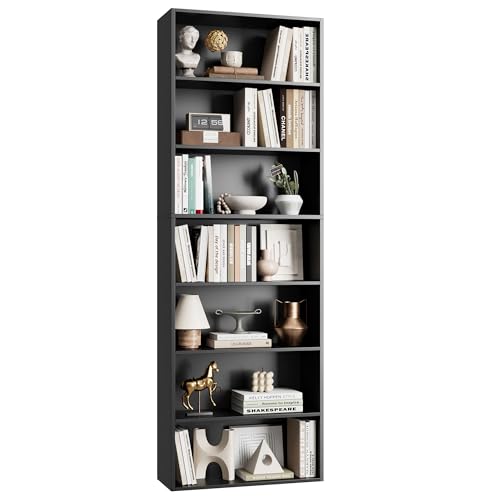
Incorporate vertical storage solutions. Wall-mounted shelves or high cabinets draw the eye upward, promoting a sense of spaciousness.
Use rugs to define specific areas. A well-placed carpet can delineate the relaxation zone from a dining nook, adding coziness without enclosing the space.
Select lighter color palettes for walls and furnishings. Soft shades reflect light, giving an airy feeling, while darker hues can make an area feel confined.
Incorporate strategic lighting. Floor lamps or wall sconces can create depth and highlight certain areas, enhancing the overall ambiance without occupying floor space.
Choose slim-profile seating with exposed legs. This design opens up sightlines and avoids overwhelming the area with bulkiness.
Add mirrors to amplify light and create the illusion of depth. A well-placed mirror can significantly alter the perception of the space.
Ensure pathways are clear. Maintaining at least 24 inches of walking space between pieces allows for ease of movement and reduces a cramped feeling.
Maximizing Floor Space with Smart Furniture Choices
Consider multifunctional pieces, such as a coffee table that doubles as storage or an ottoman that can be utilized as a seat and a table. This approach allows me to maintain order while making the most of limited area.
Selecting Slim Profiles
Opt for sleek, minimalist profiles instead of bulky designs. A narrow console table against the wall can hold decor without overwhelming the area. I find this style especially beneficial in tight spots, creating a feeling of openness.
Using Vertical Space
Incorporate shelving units that extend upward rather than outward. Tall bookshelves or wall-mounted units add storage without encroaching on floor area. This vertical approach prevents clutter while keeping essentials accessible.
Creating Zones for Different Activities
I focus on defining distinct areas for various tasks. For instance, placing a cozy armchair in one corner creates a reading nook. A small side table next to it can hold books or a cup of tea, enhancing comfort.
Delimiting Spaces with Rugs
Using rugs aids in visual separation. I choose a rug that contrasts with the flooring to specify areas. For example, a vibrant mat under a coffee table can signify a social zone. This method makes it clear where to gather while maintaining a clear pathway for movement.
Incorporating Multi-Functional Pieces
I opt for dual-purpose elements. A bench with storage can serve as a seat or a place for shoes. Moreover, an extendable table allows for dining or work, adapting to the time of day. This practicality maximizes space while supporting different activities seamlessly.
Choosing the Right Sofa for a Compact Area
Select a sectional with a chaise lounge that can fit snugly into a corner, maximizing seating without consuming too much floor space. A slim-profile sofa allows for a comfortable sitting experience while leaving ample room for movement. Opt for light colors to create an illusion of a larger space; soft pastels or neutrals can brighten the atmosphere.
Consider a sofa bed for versatility, providing seating by day and a sleeping area by night. Look for designs with hidden storage to keep your area tidy. A loveseat can also work well, especially against a wall, offering a cozy vibe without overwhelming the surroundings.
Pay attention to leg design; exposed legs create a sense of openness. Avoid bulky pieces that sit directly on the floor. A sofa with a low back will enhance sightlines, allowing the space to feel airier.
Magnify functionality by choosing a sofa with integrated charging ports or attached side tables, which can eliminate the need for additional items, saving precious space. I recommend assessing the dimensions carefully and using painter’s tape to outline where potential sofas would sit, ensuring a perfect fit.
Utilizing Vertical Space for Storage Solutions
Incorporate tall bookshelves or cabinets that extend to the ceiling. This maximizes storage without consuming floor area. I prefer open shelving for showcasing decorative items and books, providing both functionality and aesthetics.
Wall-mounted units are a practical alternative. They keep essential items accessible while maintaining a clean look. I’d recommend utilizing corners with corner shelves or units, which often go underused.
Hooks and pegboards can add an artistic flair, perfect for storing items like bags or accessories. Use the inside of doors with over-the-door racks for additional organization, optimizing areas that might otherwise remain empty.
Consider vertical drawers or pull-out storage in cabinetry. They can be an excellent way to store small items without cluttering surfaces. Install floating nightstands or small tables that don’t take up ground space but offer a surface for essentials.
Incorporating mirrors on walls can create the illusion of more space while also reflecting light, enhancing the overall brightness of the area. Ensure every piece contributes to a cohesive flow, making the environment feel larger and more inviting.
Incorporating Multi-Functional Furniture Pieces
Selecting items that serve multiple purposes is vital. I recommend investing in a sofa bed, which offers seating during the day and transforms into a sleeping area at night. This allows me to host guests without sacrificing space for a dedicated guest bedroom.
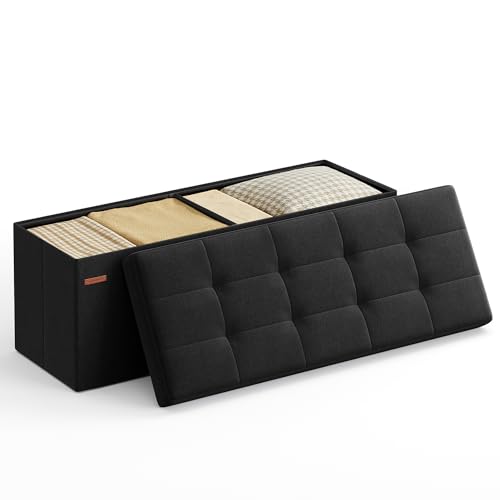
Additionally, consider using ottomans with storage capabilities. These can function as footrests or extra seating, while providing hidden compartments for blankets and magazines. I find them especially useful in maintaining a clutter-free environment.
Multi-Functional Solutions
Tables with adjustable heights or foldable designs are another great choice. They facilitate various activities, from dining to working on a laptop, without occupying too much area. I prefer compact coffee tables that can expand when needed, maintaining a balance between usability and space conservation.
| Furniture Type | Functionality |
|---|---|
| sofa bed | Seating and sleeping |
| Storage ottoman | Extra seating & hidden storage |
| Adjustable table | Dining/desk space |
| Nesting tables | Versatile surface space |
Utilizing these innovative pieces not only enhances functionality but also promotes a harmonious and spacious appearance, which I continually strive for in my decor choices.
Positioning Furniture to Enhance Traffic Flow
To optimize movement and accessibility, prioritize open pathways. Aim for at least 24 inches of clear space for walkways. This ensures comfort when navigating through the area, allowing for seamless transitions between zones.
Clear Pathways
- Place seating away from the entryway to avoid congestion.
- Align chairs and sofas parallel to the longest wall to maximize floor space.
- Keep coffee tables at least 18 inches from seating to facilitate easy passage.
Visual Connection
Try arranging pieces diagonally to create a sense of openness. This approach can visually elongate the area and divert focus from its dimensions. Avoid blocking views between different areas; ensure sightlines are unobstructed for a more spacious feel.
Consider multifunctional options that can serve dual purposes without compromising on traffic flow. Examples include ottomans that can be used as footstools and extra seating when needed.
Adding Decorative Elements without Cluttering
Choose a few key accent pieces to establish a focal point. For instance, a large artwork or a striking mirror can draw attention and create visual interest without overwhelming the space.
- Opt for wall-mounted shelves instead of bulky cabinets. This keeps the floor clear and promotes an airy feel.
- Incorporate decorative baskets for organization. They provide storage while adding texture and warmth.
- Select lightweight, transparent materials like glass or acrylic for accessories. These choices help maintain an open visual line.
Utilize plants to bring life into the area. Choose slim planters that fit into corners or hang from walls, maximizing use of vertical dimensions.
- Limit color schemes to two or three complementary shades for accents. This keeps the look cohesive.
- Use rugs to define spaces. A well-chosen mat can delineate areas without adding clutter.
- Incorporate lighting as a decorative feature. Unique lamps or wall sconces serve double duty as artwork and illumination.
Be mindful of placement. Each piece should enhance the overall layout without restricting movement. Regularly reassess and rotate decor to keep the setting fresh and engaging.
FAQ:
What are some helpful tips for arranging furniture in a small narrow living room?
To maximize space, opt for multi-functional furniture such as ottomans with storage or a sofa bed. Position larger pieces against the walls to create an open flow. Use a central coffee table to pull seating areas together, and consider floating furniture instead of pushing everything against the walls, which can create a more inviting atmosphere. Mirrors can also make the space feel larger and airier.
How can I create a cozy atmosphere in a narrow living room without overcrowding it?
A cozy atmosphere can be achieved by choosing warm colors and soft textures that draw people in. Incorporate soft lighting, like floor lamps or wall sconces, to create a warm ambiance. You might also use area rugs to define spaces within the room and add comfort without clutter. Select fewer, larger decorative elements instead of many small objects to keep surfaces from feeling overcrowded.
Is it better to use a sectional sofa or separate couches in a narrow living room?
A sectional sofa may work better in a narrow living room as it can provide ample seating while also making efficient use of space. Positioning it in an L-shape can allow for better flow and accessibility. However, if your style preferences lean towards traditional or if you need flexibility, separate couches can also work well. The key is to choose pieces that suit the dimensions and layout of your space.
What furniture arrangement should I avoid in a small narrow living room?
Avoid blocking pathways with furniture, as this can make the room feel cramped and inhibit movement. Also, steer clear of oversized furniture that dwarfs the space or too much furniture that creates a cluttered look. Arranging all furniture against the walls can sometimes create an uninviting atmosphere; try to balance the furniture arrangement to promote conversation and accessibility.
How can accessories be used effectively in a narrow living room?
Accessories should be chosen wisely to enhance the aesthetic without overwhelming the space. Select a few statement pieces, such as artwork or a decorative mirror, to create focal points. Stackable stools or nesting tables can be practical and stylish, offering flexibility when entertaining. Incorporate vertical elements like tall plants or bookshelves to draw the eye upward, making the space feel taller and less confined.