
 Caleb Turner
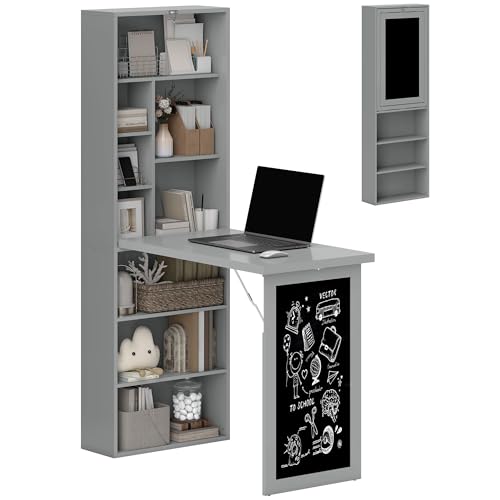
I recommend focusing on multi-functional pieces, such as a sofa bed or an ottoman with storage capabilities. This approach maximizes utility without overwhelming your limited area. By selecting items that serve more than one purpose, you create a fluid environment that can adapt to various activities.
Consider the layout with an emphasis on flow. Position larger pieces against the walls to open up the center of the room, which enhances visibility and movement. Try to keep pathways clear while maintaining proximity to vital areas such as the kitchen or entryway.


Add mirrors strategically to create depth and a sense of spaciousness. Reflective surfaces can trick the eye into perceiving higher ceilings and broader spaces, making your quarters feel more expansive. Incorporating vertical storage solutions, like shelves or hanging organizers, allows you to take advantage of vertical height, drawing attention upwards.
Lastly, use light color palettes for walls and furnishings to reflect light and create an airy atmosphere. Accessorizing with a few well-chosen decorative items can add character without contributing to clutter. This balance can yield a stunningly inviting environment in your compact dwelling.
Optimizing Space in a Compact Living Environment
Choose multi-functional pieces. A couch that converts to a bed or a coffee table with storage solves space issues and maximizes utility.
Utilize vertical space. Install shelves high up on walls for books, plants, or decorative items. This keeps the floor area clear while still allowing for personalization.
Opt for light colors on walls and textiles. This creates an illusion of roominess. Dark hues can make the area feel confined.
Arrange seating in a way that encourages conversation without obstructing pathways. Triangle or circular layouts can enhance flow in tighter spaces.
Incorporate mirrors strategically. Placing them across from windows reflects light, making the area appear larger and brighter.
Consider transparency. Lucite or glass tables take up less visual space, contributing to an airy feel.
Declutter intentionally. Regularly evaluate belongings and remove items that no longer serve a purpose or bring joy, keeping surfaces clean and organized.
Pair larger items with lighter accessories. Combining substantial pieces with delicate details prevents a congested look while maintaining comfort.
Use area rugs to define spaces within an open layout, helping to create distinct zones for relaxation, dining, or work without physical barriers.
Incorporate baskets or stylish boxes for storage. These can hold miscellaneous items while adding to the decor, maintaining both style and order.
Experiment with layout. Before permanent placement, use tape to outline potential arrangements, allowing for adjustments based on flow and functionality.
Maximizing Floor Space with Multi-Functional Furniture
Opt for items that serve multiple purposes, like a sofa bed or an ottoman that doubles as storage. This choice allows me to provide comfort at night without sacrificing daytime space.
- Convertible Tables: Choose coffee tables that can extend into dining tables. Guests can enjoy meals without needing to allocate a separate area.
- Storage Solutions: Select beds with built-in drawers or use a daybed with shelves. Organizing belongings helps eliminate clutter, making the area feel larger.
- Stackable Chairs: These can be easily stored when not in use, freeing up precious floor area.
- Wall-Mounted Desks: Foldable desks attached to the wall can be collapsed when I need more space, perfect for a home office that doesn’t take over.
- Nested Tables: Incorporate side tables that fit under one another. They can be arranged neatly when not in use but pulled out as needed.
Using these versatile pieces allows me to create an adaptable atmosphere. I can maximize floor area while ensuring that functionality remains uncompromised, tailored to my lifestyle needs.
Choosing the Right Layout for Your Rooms
To optimize space in any environment, I prioritize a symmetrical arrangement. Position larger pieces like sofas or beds against walls to open central areas, creating a flow that enhances mobility. This approach avoids clutter and encourages interaction.
Utilizing Angles
Incorporating angles can dramatically transform a room. Placing seating at angles rather than parallel to walls creates a more dynamic atmosphere. This method not only improves sightlines but also makes spaces feel larger and more inviting.
Zoning with Rugs
I often employ rugs to define distinct areas within a single room. This technique works wonders in multifunctional spaces, allowing for a cozy reading nook separate from the living area. Each zone has its purpose yet feels interconnected, fostering a sense of unity.
Utilizing Vertical Space for Storage Solutions
Incorporating vertical storage options can significantly enhance organization and maximize space in any living area. Here are effective strategies:
1. Shelving Units
- Select tall shelving units that draw the eye upward. These can house books, decor, and personal items.
- Install floating shelves to utilize wall space without consuming floor area. Position them at various heights for visual interest.
- Consider corner shelves to make use of underutilized spaces.
2. Vertical Containers
- Use vertical baskets or stackable bins to store items like blankets, toys, or office supplies. They can be placed on shelves or hung from walls.
- Vertical hanging organizers, such as over-the-door units, can store shoes, cleaning supplies, or pantry items efficiently.
Embracing these techniques will help create a more spacious and organized environment, allowing for effective use of every nook and cranny available.
Enhancing Natural Light Through Furniture Placement
Positioning items to capture sunlight should be a priority. Arrange pieces so that they do not obstruct any windows. For instance, avoid heavy drapes and opt for sheer curtains that allow light to filter in. My living room benefits from low-profile seating, which encourages a spacious feel and permits the sun to flow freely.
Reflective Surfaces
Incorporating mirrors or glossy finishes can amplify brightness. Place a medium-sized mirror across from a window to bounce sunlight throughout the room. I have noticed that using furniture with glass or metallic elements adds depth and lightness to the ambiance.
Color Palette Choices
Selecting lighter colors for walls and furnishings can brighten a space. I recommend shades like soft whites, pale grays, or pastel tones. Coupled with smart positioning, these hues enhance the natural illumination, making cramped areas seem larger and more inviting.
Creating Zones for Different Activities
To effectively divide space in my living area, I implemented distinct zones that cater to various functions. For the reading nook, I chose a cozy armchair paired with a small side table and adequate lighting. This promotes relaxation and encourages quiet time.
In the corner reserved for work, I utilized a compact desk and an ergonomic chair, ensuring the area remains clutter-free and conducive to productivity. Keeping resources close at hand while maximizing space is crucial–shelves above the desk hold essential items.
For social gatherings, I arranged seating in a semicircular formation, which fosters conversation. A small coffee table in the center maintains fluid movement without feeling cramped.
In the kitchen, I allocated areas for meal prep and dining. A narrow island serves as both a workspace and a casual eating area, streamlining cooking activities while promoting interaction.
Utilizing rugs can further delineate these zones without the need for physical barriers. Each section feels purposeful and welcoming, enhancing my daily experience.
Tips for Selecting Scaled-Down Furniture Pieces
Opt for pieces that emphasize functionality and simplicity. A slim, streamlined sofa rather than a bulky sectional creates an open feel. Consider accent chairs with legs that elevate them off the ground; this visual lightness adds depth to any space.
Materials Choice
Lightweight materials like metal or acrylic can enhance mobility. Fabrics with subtle patterns or lighter tones can also contribute to an airy appearance. Avoid heavy woods or dark colors, which can make a room feel congested.
Modularity and Versatility
Select adaptable items that serve multiple functions. A coffee table with storage beneath or an ottoman that doubles as seating can maximize utility. Look for expandable tables that can accommodate varying needs.
| Criteria | Recommended Options | Notes |
|---|---|---|
| Size | Compact sofa, lightweight chairs | Leaves floor space open |
| Material | Metal, acrylic, light fabrics | Creates an open atmosphere |
| Functionality | Multi-functional tables, storage ottomans | Increases versatility |
Staying aware of dimensions when selecting items is crucial. Always measure your space and compare with product specifications to ensure a proper fit. Prioritize aesthetics that align with personal style while also focusing on scaled-down proportions for a harmonious environment.
FAQ:
What are some tips for arranging furniture in a small living room?
To optimize space in a small living room, consider the following tips: First, use multi-functional furniture such as ottomans with storage or sofas that convert into beds. Second, arrange furniture to create distinct zones, like a seating area separate from entertainment space. Third, opt for lighter colors for walls and furniture to create an illusion of more space. Lastly, avoid overcrowding by leaving sufficient space between pieces for easy movement.
How can I make a small bedroom feel larger with furniture arrangement?
To create the illusion of a larger bedroom, try placing the bed against the wall opposite the door, which draws the eye in. Use nightstands that are slim or wall-mounted to save floor space. Incorporate mirrors, which can help reflect light and make the room feel more open. Keep the bedspread and decor in light shades to maintain a spacious feel, and avoid bulky furniture that can overwhelm the room.
What furniture layout works best for a small dining area?
In a small dining area, choose a round table instead of a rectangular one, as it allows for easier movement. Consider a drop-leaf table that can be expanded when needed and collapsed afterward to maximize space. Use chairs that can be tucked under the table when not in use. If possible, position the dining area near a window to utilize natural light, making the space feel more inviting and airy.
Are there any specific styles of furniture that work well in small homes?
Certain styles of furniture are particularly suitable for small homes. Scandinavian design, known for its simple lines and light colors, helps create an open ambiance. Mid-century modern furniture usually features sleek profiles that don’t take up much visual space. Additionally, consider modular furniture, which can be rearranged or adjusted to fit your evolving needs. Avoid heavy, ornate designs that can make a room feel cramped.


