
 Caleb Turner

Positioning the bed against the shortest wall immediately enhances balance. This not only creates a focal point but also opens up sightlines, making the space feel less constricted. I recommend opting for a low-profile headboard or none at all to maintain an airy atmosphere.
Employ multi-functional pieces; consider a bench or ottoman at the foot of the bed that serves both storage and seating. This reduces clutter and maximizes utility, which is essential in a compact area. I find that incorporating wall-mounted shelves offers vertical storage without sacrificing floor space, creating more open areas for movement.
To enhance accessibility, maintain clear pathways. Ensure there’s enough clearance to walk around the bed and any other pieces. I often use rugs to visually define separate zones while also adding warmth. Soft colors for textiles and wall paint contribute to an expansive feel, often making a significant difference in perception of space.
Finally, up-lighting or strategically placed mirrors can amplify natural light and create depth, further enriching the ambiance. These elements combine not just functionality but also visual appeal, crafting a sanctuary that feels more spacious and welcoming.
Smart Placement Techniques for a Slim Space
Position the bed against the longest wall to maximize available space. This orientation not only frees up walking areas but also creates a natural flow throughout the area.



Multi-functional Pieces
Incorporate items that serve dual purposes. For instance:
- Use a bed with storage drawers underneath to eliminate the need for additional storage units.
- A small desk that folds up can double as a bedside table, offering work and display space without consuming extra room.
Visual Tricks
Utilize mirrors to enhance perception of space. Placing a full-length mirror on the wall opposite the window reflects light, making the area feel larger. Another option is to choose light color palettes for walls and textiles to evoke openness.
Positioning rugs to define zones can create more structure. For example, place a soft rug under the bed to delineate the sleep area, while using a smaller one in the workspace or reading nook to establish these functions distinctly.
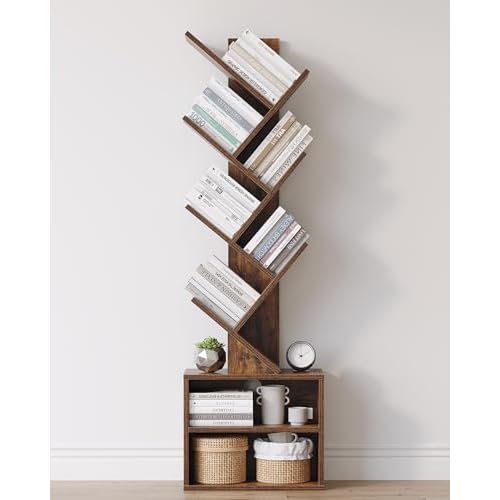
Consider vertical shelving to take advantage of height. This not only provides additional storage but also draws the eye upwards, enhancing the sense of spaciousness.
Choosing the Right Bed Size for Narrow Spaces
Opt for a bed width of 54 inches (for a full size) or 60 inches (for a queen size) to maximize room flow while ensuring comfort. A king size bed, measuring 76 inches in width, can overpower a compact area, making movement difficult.
Length is another factor. Standard mattresses come in 75 inches (full and queen) or 80 inches (king) length. For taller individuals, consider an elongated option to avoid discomfort. A daybed or a Murphy bed can provide versatility and free up space during the day.
Utilizing a platform bed can also save valuable inches. These designs eliminate the need for bulky box springs, allowing for a lower profile while still offering storage options underneath.
| Bed Size | Width (inches) | Length (inches) | Ideal for |
|---|---|---|---|
| Full | 54 | 75 | Single sleepers or cozy rooms |
| Queen | 60 | 80 | Couples with limited space |
| King | 76 | 80 | Couples needing extra room |
| Daybed | Approx. 39 | 75 | Multipurpose use; guest beds |
Selecting the correct mattress thickness is also important. A low profile mattress, around 8-10 inches, can prevent feelings of heaviness in tight quarters. This can create an illusion of additional space while still providing comfort.
Utilizing Vertical Storage Solutions
Maximizing wall space is key. I recommend tall bookshelves or cabinets that reach the ceiling, allowing for ample storage without sacrificing floor area. Utilize the upper shelves for infrequently used items, keeping the lower sections accessible for everyday necessities.
Another idea is to add hanging organizers or wall-mounted shelves. These can store everything from books to decorative items. I prefer open shelving as it provides a stylish way to display cherished belongings while keeping them within reach.
Consider installing hooks or pegboards. They serve as excellent solutions for hanging bags, hats, and accessories. A pegboard can also be a fun DIY project, customized to suit personal style and needs.
Incorporating multi-functional pieces is also beneficial. For example, a tall dresser can provide storage for clothes and serve as a surface for decor or lighting. Choosing compact designs ensures they fit snugly against the wall while still offering adequate storage.
Utilize the door space too. Over-the-door organizers can accommodate shoes, accessories, or even linens, transforming unused areas into functional storage spots.
| Storage Solution | Description |
|---|---|
| Tall Bookshelves | Maximize vertical height with shelves reaching the ceiling. |
| Hanging Organizers | Wall-mounted options for displaying and storing items. |
| Pegboards | Customizable hanging system for various accessories. |
| Multi-functional Furniture | Combines storage and surface area. |
| Over-the-door Organizers | Utilizes door surfaces for storage solutions. |
Using vertical space creatively not only organizes but enhances the room’s aesthetics, providing a more spacious and inviting atmosphere.
Creating a Focal Point with Wall Decor
To establish a captivating centerpiece in your space, choose one striking piece of wall art that draws the eye. Large paintings or a set of framed photos can transform an empty wall into a visual anchor. Position this artwork at eye level to maximize its impact.
Selecting the Right Colors and Patterns
Integrate colors and designs that complement the overall palette of your room. Bold colors can energize the space, while soft hues promote tranquility. For patterns, consider geometric shapes or abstract designs that add depth without overwhelming the environment.
<h3.Utilizing Shelves as Decor Elements
Floating shelves not only provide storage but also serve as an opportunity for personalization. Arrange books, plants, and decorative items on them in a visually pleasing manner. This method adds character while utilizing vertical space efficiently.
Incorporate mirrors to reflect light and create an illusion of more space. A large mirror or a collection of smaller ones can enhance brightness and depth in your chosen area.
Accent the walls with hanging plants or vertical gardens to introduce a touch of nature. This adds freshness and can soften the overall aesthetic, balancing out harder edges found in modern furnishings.
Optimizing Walkways for Better Flow
I prioritize clear pathways that encourage smooth movement. Aim for at least 24 to 30 inches of clearance along pathways. This width accommodates two people passing by each other comfortably and ensures no one feels cramped.
Position larger pieces, like the bed and dressers, away from high-traffic areas. I often place the bed against the longest wall, which helps create direct paths to other areas. When possible, angle furniture slightly to soften the lines and enhance flow.
Consider using multi-functional items, such as ottomans with storage or bedside tables that double as seating. These allow more flexible use of available space while minimizing visual clutter.
Incorporating rugs can define areas and guide movement. Ensure the edges of the rug are either under the furniture or far enough away from pathways to prevent tripping. A low-profile design works best for minimizing obstruction.
Lastly, create visual guideposts; strategically placed lighting or decorative screens can help delineate spaces while maintaining an open and airy feel. Clear sight lines encourage a sense of openness and ease in movement throughout.
Incorporating Multi-Functional Furniture
Opt for a bed with built-in storage drawers or an adjustable frame. This provides not just a sleeping area but also essential space for linens and other items, keeping the area tidy.
Select a compact desk that can double as a nightstand. A model with shelves or cubbies underneath can hold books or supplies, minimizing the need for additional pieces.
Consider a bench at the foot of the bed that offers seating and storage. This adds functionality without crowding the pathway.
Utilize a foldable table or console that can serve for both work and dining. This adaptability allows flexibility according to your needs while conserving space.
Choose modular pieces that can be reconfigured easily. For instance, ottomans that can be rearranged as needed create versatile seating options.
Use wall-mounted foldable desks that can be stowed away when not in use. This clears valuable surface area and maintains an open feel.
Lastly, add a sofa bed in the sitting area. This offers comfort for relaxation and converts into a sleeping space for guests, maximizing utility without sacrificing style.
Using Color and Lighting to Enhance Depth
Select a light color palette to create an open feel. Shades like soft pastels or light neutrals make the space appear more expansive. Consider painting the farthest wall a slightly darker hue, adding a sense of depth.
Lighting Techniques
Incorporate layered lighting to add dimension:
- Ambient Lighting: Use ceiling fixtures or recessed lighting to provide general illumination.
- Task Lighting: Place lamps on bedside tables or desks to highlight specific areas.
- Accent Lighting: Employ wall sconces to draw the eye upwards, enhancing vertical space.
Reflective Surfaces
Utilize mirrors to amplify light and create the illusion of depth. Position them opposite windows or light sources to reflect brightness throughout the room. Additionally, choose glossy finishes for furniture or decor items to enhance light dispersion.
Use window treatments that allow natural light to filter in while maintaining privacy. Sheer fabrics or light colors can further brighten the atmosphere.
Arranging Additional Furniture for Balance
To achieve harmony in a constrained space, prioritize items that complement existing elements without overwhelming the area. Begin with a slim console table against a wall; it can serve as a decorative piece while providing additional functionality. This minimalist piece adds verticality and draws the eye upward, enhancing the perception of space.
Incorporate a lightweight accent chair opposite the bed or near a window. Opt for clear acrylic or a light fabric to maintain an airy feel. This seating option can also function as a spot for relaxation or reading without blocking pathways.
When selecting bedside tables, go for slender profiles that maintain proportion. Choose designs with open shelving or drawers to avoid bulkiness and provide necessary storage for personal items.
Utilize wall-mounted options for shelves to elevate decorative elements and keep the floor area clear. By placing shelves at different heights, I can create visual interest and draw attention away from the room’s length.
Create balance through symmetry. If placing nightstands on either side of the bed, ensure they have matching lamps or similar decor to anchor the space and offer a cohesive look.
A stylish area rug can also assist in defining zones. Arranging it to extend beyond key pieces will visually segment the area, making it feel more intentional. Choose a design that ties together the color palette of other elements for a unified atmosphere.
Lastly, consider adding a folding screen or partition if privacy is desired. This can act as a functional element while contributing to a layered aesthetic. Placing it strategically allows both openness and delineation in the available space.
Transforming Corners into Cozy Nooks
Consider integrating a small seating area in the corners of the room. A compact armchair or a stylish chaise lounge can create an inviting spot for reading or relaxing. Positioning it near a window enhances the natural light, making the area more appealing.
- Utilize corner shelves to display books or personal items, which adds character and keeps the area organized.
- Add a side table for beverages or decorative elements, maintaining functionality without overwhelming the space.
- Curtains can soften edges; opt for ones that lightly frame the corner for a warm ambiance.
- Introduce an indoor plant; greenery can enliven the nook while improving air quality.
Incorporating a cozy rug can define the space, drawing attention to the nook while providing comfort underfoot. Choose textiles that match your overarching theme without clashing with other decor.
- Consider floor lamps or wall sconces for subtle illumination.
- Pillows and throws can enhance comfort and warmth.
Even a small corner can transform into a retreat through thoughtful placement and configuration, allowing for both utility and aesthetic charm.
FAQ:
What are some effective ways to arrange furniture in a long narrow bedroom?
One effective way to arrange furniture in a long narrow bedroom is by placing the bed against one of the shorter walls. This helps to free up space in the room and makes it look more open. You can also consider using a low-profile bed frame to avoid overwhelming the space. Nightstands can be placed on either side of the bed. Additionally, using floating shelves instead of bulky furniture can help keep the room feeling spacious. Finally, try to keep pathways clear and avoid crowding the room with too much furniture.
How can I maximize storage in a long narrow bedroom?
To maximize storage, consider using multi-functional furniture, such as a bed with built-in drawers or a bench with storage underneath. Vertical storage solutions, like tall bookshelves or wall cabinets, can help make use of the height of the room. Also, utilizing the space under the bed for storage bins or vacuum-sealed bags can effectively keep items organized without cluttering the room. Adding hooks on the back of the door or hanging organizers can also significantly increase storage space.
Are there specific color schemes that work best for a long narrow bedroom?
Light, soft colors tend to be best for long narrow bedrooms as they can create an illusion of more space. Shades like pastel blues or soft grays work well to brighten up the room. Additionally, painting one of the longer walls a darker color can help to visually shorten the length of the room. Using mirrors to reflect light and color can also enhance the sense of space and depth. Consider incorporating accent colors through bedding and decorative items for added personality without compromising the openness.
What furniture layout can create a cozy atmosphere in a long narrow bedroom?
To create a cozy atmosphere, aim for an arrangement that feels inviting and intimate. Positioning the bed centrally along the length of the room can help create balance. If space allows, add a chair or a small loveseat at the foot of the bed, which can serve as a cozy reading nook. Incorporating soft textiles, such as a plush area rug, layering bedding, and using warm lighting with lamps can enhance the cozy feel. Strategically placing plants or artwork along the walls can also contribute to a warm and inviting environment.
What tips can help when selecting furniture for a long narrow bedroom?
When selecting furniture for a long narrow bedroom, it’s best to choose pieces that are proportionate to the room’s dimensions. Opt for streamlined furniture with minimal bulk, avoiding oversized items that can overpower the space. Consider furniture with legs, which creates a sense of openness. Look for items that can be easily moved or reconfigured, allowing flexibility in your layout. Additionally, choosing lighter colors or transparent materials can help maintain a feeling of spaciousness while still providing functionality.
What are some tips for positioning a bed in a long narrow bedroom?
To effectively position a bed in a long narrow bedroom, consider placing it against the longest wall. This arrangement can help create a more balanced look. If possible, try to keep pathways clear on both sides of the bed to enhance accessibility and flow. Corner placements can also work if you have a small bed, as it can allow additional space for other furniture. Adjust the angle slightly if it creates more depth in the room, making it feel less claustrophobic.


