
 Caleb Turner

To accurately assess the price of your vintage decor, a thorough examination of its brand, style, and condition is essential. Brands like Knoll, Eero Saarinen, and Hans Wegner typically command higher prices due to their recognition and craftsmanship. Researching specific model names can also help identify rarity and desirability in the market.
A visual inspection is critical; look for any signs of wear such as scratches, dents, or discoloration. Original features, such as labels or signatures, play a significant role in determining authenticity and can significantly impact value. Ensure all parts are intact, as missing pieces can decrease appeal and resale potential.
Market trends fluctuate, so checking various online platforms for similar pieces will give you a better understanding of current pricing. Auction sites and antique stores can offer insights into demand and sales history. Engaging with reputable appraisers or local antique dealers may provide additional context and guidance.
Taking the time to gather this information not only informs you of the potential resale value but also enhances your appreciation for the history and craftsmanship of your collection.
Identifying Signature Styles and Designers
To determine the value of your vintage seating or cabinetry, recognize key designers and their signature styles. Look for unique markings or labels that can guide your research. For example, pieces by Charles and Ray Eames often feature their iconic molded plywood designs, while George Nelson is known for his playful, functional aesthetics in storage solutions.
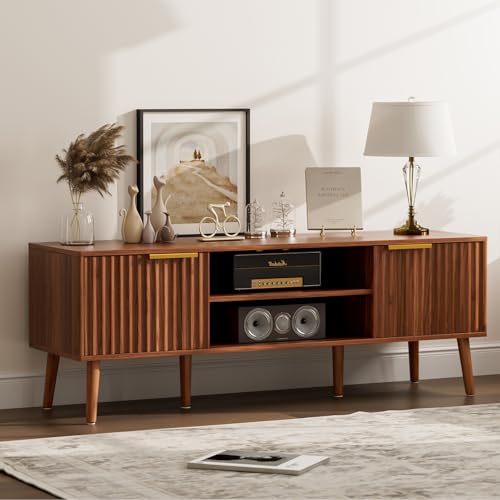

Recognizing Design Elements
Examine the craftsmanship, materials, and lines of your piece. Is it characterized by clean, geometric shapes, organic forms, or innovative uses of space? Pieces that incorporate materials like molded fiberglass, teak wood, or aluminum have distinct value due to their uncommon combination with artistry. Additionally, furniture with sleek lines and ergonomic design often indicates a connection to prominent figures from that era.
Researching Provenance
Trace the origin of your item through auction records, vintage catalogs, or collector websites. An item’s provenance can significantly influence its market value. If your item is associated with a renowned designer or design movement, it may command a premium price. The history helps to establish authenticity, which is key in valuations.
Assessing Condition and Quality Factors
Examine the surface for any scratches, dents, or discoloration. Pay attention to the joints and structural integrity; any wobbling or loose parts can significantly diminish value. Upholstery should be assessed as well; original covers and unaltered materials are preferable. If the item has been reupholstered, note the quality of the new fabric and craftsmanship.
Finish and Materials
The finish is often a good indicator of quality. Original varnishes and lacquers tend to fetch higher prices than those that have been stripped or painted over. Identify the types of wood used, as rarer species can enhance appeal. Look for identifying marks that reveal the maker or designer, since provenance adds authenticity.
Functionality and Aesthetic Appeal
Test all moving parts, such as drawers or doors; they should operate smoothly without friction. A balanced design and cohesive form contribute to the piece’s aesthetic charm, affecting desirability. Unique design elements or special editions may command higher interest, so highlight those in any assessments.
Researching Market Trends and Demand
Utilizing online platforms is an excellent strategy to track the current value of vintage pieces. Websites like 1stdibs, Chairish, and Etsy provide insight into asking prices for similar items, helping me assess what buyers are willing to pay.
Keep tabs on auction results from major houses like Sotheby’s and Christie’s. They often sell iconic designs, and reviewing past sales can reveal lucrative trends and fluctuations in values.
Networking with local and online collectors can yield useful information, as they regularly share insights about sought-after styles and lesser-known designers that can increase desirability. Attending auctions, estate sales, or vintage markets allows me to engage directly with enthusiasts who are knowledgeable about craftsmanship and rarity.
Subscription to industry magazines or blogs can provide valuable market analysis. Publications like “Design Milk” or “Dwell” frequently analyze trends and feature desirable collections, thereby broadening my understanding of what is currently fashionable.
Observing social media is equally beneficial; platforms like Instagram and Pinterest often showcase emerging trends. Influencers and collectors frequently post curated collections, helping me identify which pieces are gaining traction and popularity among buyers.
Remember to pay attention to seasonal trends. Demand can vary throughout the year, influenced by holidays or design expos, which affects the pricing and desirability of pieces.
- Monitor reputable online marketplaces.
- Review auction results frequently.
- Engage with other collectors for ongoing insights.
- Subscribe to design-focused publications.
- Utilize social media to spot trends.
- Stay aware of seasonal shifts in demand.
Utilizing Online Appraisal Tools and Resources
I recommend using reputable online appraisal platforms to estimate the value of your unique items. Websites such as 1stdibs, Chairish, and Sotheby’s offer valuable insights through their extensive listings and price histories. Searching for similar pieces on these sites can provide a rough benchmark for understanding values.
Comparative Analysis
Most appraisal tools allow you to perform comparative analysis by filtering searches based on designer, type, and condition. Use this feature to find pieces like yours that have sold recently and compare their selling prices. This will help you gauge a realistic market value based on actual sales data.
Expert Review and Forums
Consider joining specialized forums or social media groups dedicated to vintage design. Engaging with other collectors can provide anecdotal insights and potential valuations. Posting photos and asking for opinions from experienced collectors can further refine your understanding of your item’s place in the marketplace.
| Platform | Features |
|---|---|
| 1stdibs | High-end auction prices, extensive listing archive |
| Chairish | User-friendly interface, design styles lookup |
| Sotheby’s | Curation by experts, auction results |
By actively utilizing these online tools, I can more accurately evaluate my pieces and make informed decisions regarding their sale or retention within my collection.
Consulting Professional Appraisers and Auction Houses
Engaging an appraiser with expertise in mid-century art and design is a smart move for obtaining an accurate evaluation of your pieces. Find certified professionals who are affiliated with recognized appraisal organizations to ensure credibility. Schedule an inspection where they can assess every detail, including craftsmanship, historical significance, and market relevance.
Auction houses can be effective partners in the valuation process, too. They possess extensive knowledge about current trends and buyer preferences which helps in pricing. Reputable auction houses often provide free estimates or consultations, allowing you to gauge the potential sale value without financial commitment.
It’s useful to ask about their track record in selling similar items. This information can provide insight into how your pieces might perform at auction. I recommend searching for auction results or catalogs from their previous sales as these can serve as a benchmark for what buyers are willing to pay.
Finally, it’s prudent to collect multiple opinions. Having different appraisals can offer a broader perspective and help to validate your understanding of your collection’s value. Unexpected differences in evaluations might also indicate shifts in market demand or trends, which can be beneficial for your selling strategy.
Understanding the Impact of Rarity and Provenance
To gauge the true value of vintage pieces, I focus on two critical factors: rarity and provenance. Items that were produced in limited quantities often command higher prices. When identifying these rare finds, I consider:
- Limited production runs by notable designers or manufacturers.
- Unique materials or finishes that distinguish the piece.
- Pieces from significant design exhibitions or collaborations.
Provenance plays an equally important role. A documented history of an object enhances its attractiveness and marketability. I prioritize pieces with:
- Original receipts or exhibition records that trace its ownership.
- Association with influential designers or collectors.
- Verification through reputable auction houses or galleries.
When evaluating rarity and provenance, I often verify with databases or archives that specialize in design history. Engaging with design communities can also provide insights and connections that might reveal hidden stories or contexts around an item. Each piece has a narrative that contributes to its overall desirability, making the exploration of its background just as crucial as assessing its physical attributes.


