
 Caleb Turner
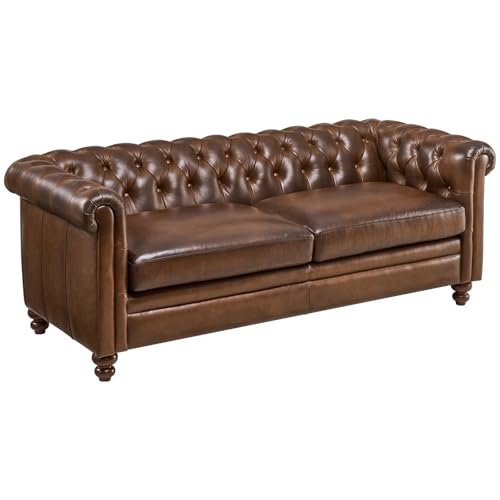
On average, high-quality seating crafted from animal hide can endure anywhere from 10 to 25 years under normal usage conditions. This impressive lifespan largely depends on the grade of the hide, the craftsmanship involved, and how well the piece is maintained over time.
To maximize longevity, it’s critical to implement a routine maintenance schedule. Regular cleaning with appropriate products helps prevent dirt buildup and discoloration. Conditioning the material every 6-12 months helps maintain its suppleness, preventing cracks and wear.
Environmental factors also play a significant role. Avoid placing these pieces in areas exposed to direct sunlight or extreme temperatures, as this can lead to fading and deterioration. Choosing quality materials and practicing diligent care will contribute greatly to extending the life of your treasured investment.


Durability of Quality Seating
Anticipate 10 to 20 years of service from high-grade, well-maintained upholstery. This lifespan depends on various factors including usage frequency, environmental conditions, and maintenance practices.
Choose high-quality materials such as full-grain or top-grain options, as they tend to age better and resist wear. In contrast, lower-quality variants may only offer a few years before noticeable deterioration.
Regular care is crucial. Conditioning treatments every six months can prevent drying and cracking, enhancing longevity. Additionally, avoid direct sunlight and excessive humidity to reduce fading and other environmental impacts.
Address stains and spills promptly with suitable cleaners to prevent permanent damage. For daily maintenance, a microfiber cloth or vacuuming ensures that dirt and dust do not accumulate.
Recognizing signs of wear, such as fraying or fading, allows for timely repairs, extending the overall lifespan. Investing in protective covers can also provide an extra layer of defense against everyday wear.
Understanding Different Types of Leather
Consider investing in full-grain or top-grain variants. Full-grain holds the most natural integrity, showcasing unique imperfections and a rich patina over time. This type, known for its durability, ages beautifully, making it ideal for high-use areas.
Top-grain, while slightly processed to remove imperfections, retains strength and breathability. It strikes a balance between durability and softness, providing a refined look that’s still resilient.
Other Variants to Explore
While bonded leather offers an economical choice, durability may be compromised. Often made from leftover scraps, it’s less likely to age well compared to full-grain or top-grain. For a more affordable option with character, consider split leather. Though not as robust, it brings a unique texture.
Caring for Each Type
Regular maintenance extends the lifespan significantly. For full-grain and top-grain, use appropriate conditioners to preserve oils and prevent dryness. With bonded and split options, avoid excessive moisture exposure to minimize wear. Investing time in care yields substantial rewards in longevity and appearance.
The Role of Quality in Durability
Investing in superior craftsmanship guarantees longevity. Premium raw materials, skillful stitching, and stringent quality control are key elements that determine endurance.
Material Assessment
Choosing the right type of skin impacts resilience significantly. Full-grain varieties resist wear better than corrected grain options. Scrutinizing the tanning processes used can reveal important details; vegetable-tanned collections typically age beautifully.
Construction Techniques
Understand the construction methods employed. Frames made of solid hardwood provide stability, while those crafted from particle board are more susceptible to damage. Reinforced seams and heavy-duty zippers contribute to a robust form.
Regular maintenance further enhances the lifespan. Applying conditioners and avoiding harsh chemicals will preserve the surface integrity, thus extending usability. Investing wisely not only ensures a long-term asset but also enriches everyday living.
Factors That Affect Lifespan of Leather Upholstery
The longevity of high-quality material pieces depends heavily on several key variables. First is the grade of the raw material. Full-grain types exhibit superior durability, while corrected grain options might succumb to damage more quickly.
Maintenance practices significantly influence how well a product holds up over time. Regular cleaning with appropriate solutions prevents dirt accumulation and potential deterioration. Conditioning should occur at least quarterly to keep it supple, averting cracks or splits.
Environmental conditions play a pivotal role. Exposure to direct sunlight can fade and dry out the surface, while excess humidity can lead to mold growth. Ideal placement away from windows and vents extends the life considerably.
Usage frequency and weight also matter. Seating used daily will naturally wear faster than items utilized less frequently. It’s wise to rotate seating areas regularly to distribute wear evenly.
Lastly, the craftsmanship involved affects overall performance. Well-stitched seams and quality hardware enhance resilience. Always invest in reputable brands that prioritize workmanship to ensure a lasting investment.
Maintenance Tips for Prolonging Leather Lifespan
Regularly applying a specialized conditioner every 6-12 months prevents drying out and cracking. Choose products designed specifically for your material type.
Daily Care Practices
- Dust surfaces with a soft cloth weekly to remove debris.
- Avoid placing items directly on the material to prevent color transfer.
- Keep out of direct sunlight to maintain color and prevent fading.
Stain Management
Immediately blot spills with a clean cloth. Never rub; it can push the liquid deeper. Use a mild soap and water solution for tougher stains, followed by a conditioner.
- Avoid harsh chemicals or abrasive cleaners that can damage the surface.
- For ink marks, use a specialized leather cleaner or consult a professional.
Climate Considerations
- Maintain indoor humidity between 40-60% to stop drying or mildew growth.
- Use a dehumidifier in damp environments to protect the surface.
Implementing these strategies ensures longevity and vitality, protecting your investment and enhancing the aesthetic appeal of your space.
Signs Your Leather Seating Needs Replacement
I look for distinct indicators that signal the need for a new piece. Cracks or deep wrinkles on the surface often suggest wear beyond repair. If I notice peeling or flaking, it usually means the material has degraded significantly, requiring immediate attention.
Another sign is fading or discoloration. If a once-rich hue has turned dull, it may indicate a loss of protective coatings, jeopardizing the integrity of the material. Stains that won’t come out despite cleaning attempts can also be a red flag; persistent discoloration often means damage that isn’t solely cosmetic.
Structural Integrity
I pay close attention to structural issues, such as sagging cushions or loosened seams. If the frame feels unsteady or wobbly, it’s a clear indication that the item won’t provide the support I need over time. In some cases, excessive noise when shifting positions can suggest internal damage.
Odor
A persistent unpleasant odor can indicate mold or mildew. If airing out and cleaning do not alleviate the smell, it may be time to consider replacement, as this can affect indoor air quality and overall enjoyment.
Comparing Leather Furniture to Other Materials
In terms of longevity, various materials present distinct advantages and disadvantages. Below is a comparison of the lifespan of common upholstery options alongside genuine hide.
| Material | Average Lifespan | Durability | Maintenance Requirements |
|---|---|---|---|
| Genuine Hide | 15-25 years | Highly durable, resistant to wear | Moderate; requires regular conditioning |
| Fabric (Cotton/Polyester Blend) | 5-15 years | Moderate; susceptible to stains and tearing | High; frequent cleaning needed |
| Microfiber | 10-15 years | Moderate; resistant to stains but can fray | Moderate; regular vacuuming and occasional spot cleaning |
| Vinyl (PU) | 5-10 years | Less durable; prone to cracking | Low; easy to wipe clean |
| Wood | 20-50 years | Very durable; can be refinished | Low; polishing and occasional resealing |
From my experience, genuine hide outperforms many fabrics in terms of durability, especially when it comes to resistance against wear and tear. On the other hand, synthetics like vinyl often offer a shorter lifespan, making them less favorable for long-term use. Additionally, maintenance varies significantly between materials; while hide may require occasional conditioning, synthetic options demand more frequent cleaning to maintain appearance.
Ultimately, the choice of upholstery hinges on individual needs. For instance, if you prioritize durability and visual appeal, genuine hide may be your best bet. Conversely, if budget constraints dictate, lower-cost alternatives could suffice, understanding their shorter lifespan.


