
 Caleb Turner

Choosing mango timber for crafting is a decision that often pays off due to its unique attributes and aesthetic appeal. This material exhibits a remarkable density, which contributes to durability while remaining relatively lightweight, making it a favorite among artisans.
The natural grain patterns create a stunning visual impact, often featuring rich and varying hues that add character to any piece. This aesthetic versatility makes it suitable for various designs, from rustic to contemporary. Additionally, its resistance to moisture and insects enhances its longevity, making it a practical option for both indoor and outdoor creations.
When selecting this material, it’s advisable to source from reputable suppliers who prioritize sustainable practices. Such diligence ensures not only quality but also the minimizing of environmental impact. In crafting, it’s crucial to consider the finishing techniques, as applying suitable coatings can further enhance the wood’s durability and visual appeal.


Quality Assessment of Tropical Timber for Home Design
I recommend considering the stability and durability of this tropical timber, which is less prone to warping compared to other varieties. Its density creates a solid framework, ideal for everyday use.
Given its natural resistance to pests, this material is suitable for prolonged usage without extensive maintenance. Additionally, the attractive grain patterns and warm tones can enhance aesthetic appeal in any setting.
One notable advantage includes its sustainability. Sourced from managed plantations, it offers an eco-friendly option for those seeking environmentally-conscious choices.
Consider its care requirements; it benefits from regular cleaning and occasional conditioning to maintain its luster. This practice ensures longevity and preserves its visual charm.
Lastly, versatility stands out. Whether in dining sets, storage solutions, or decorative accents, this timber adapts well to various designs and styles, making it a practical choice for diverse interior themes.
Durability of Mango Wood in Furniture Making
I find that this timber displays a robust nature, making it suitable for crafting long-lasting items. Its density contributes to significant resistance against wear and tear, which is particularly beneficial in high-traffic areas of the home.
When considering longevity, this material is less prone to warping than softer alternatives, providing stability in various conditions. Regular maintenance, such as applying oil finishes, can enhance its protective qualities and further extend its lifespan.
Resistance to Pests and Rot
This type of material possesses natural anti-fungal properties, making it resilient against termites and other pests that often compromise the integrity of lesser woods. This resistance, combined with proper sealing techniques, ensures that pieces remain in excellent condition over the years.
Environmental Adaptability
This timber adapts well to different climates, maintaining its form without significant shrinkage or swelling. When used indoors or in shaded outdoor areas, durable items crafted from this material withstand fluctuations in humidity and temperature effectively, ensuring they remain functional and aesthetically pleasing throughout their use.
Cost-Effectiveness of Mango Wood Compared to Other Hardwoods
Choosing mango as a material often results in significant savings compared to traditional hardwoods. Its affordability, averaging between $5 to $15 per board foot, stands in stark contrast to more commonly utilized types like oak or walnut, which can range from $20 to $50 per board foot.
Maintenance and longevity also contribute to higher cost-efficiency. Due to its natural resistance to moisture and pests, items crafted from this type require less frequent treatment and care, minimizing long-term expenditures. In comparison, hardwoods such as cherry or maple may demand more attention and upkeep.
Below is a comparison table highlighting the price range and some additional characteristics of different hardwoods:
| Type of Wood | Price per Board Foot | Maintenance Needs | Durability |
|---|---|---|---|
| Mango | $5 – $15 | Low | High |
| Oak | $20 – $30 | Medium | High |
| Walnut | $30 – $50 | Medium-High | Very High |
| Cherry | $30 – $45 | Medium | High |
| Maple | $20 – $35 | Medium | High |
Considering the balance of quality, aesthetics, and cost, opting for mango often leads to a smarter financial decision while retaining an attractive appearance and durability in various applications.
Maintenance Requirements for Mango Wood Furniture
Regular dusting with a soft, dry cloth is essential to keep the surface clear of debris. I recommend avoiding excess moisture when cleaning; a barely damp cloth works best. For deeper cleans, a mixture of mild soap and water can be applied sparingly, ensuring to dry thoroughly afterward.
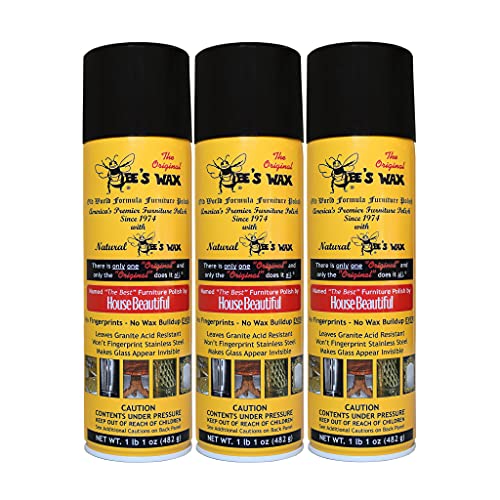
Consider applying a high-quality furniture polish every few months. This not only adds shine but also acts as a protective layer against scratches and stains. A beeswax-based polish is especially beneficial, as it nourishes while sealing the pores.
Direct exposure to sunlight can lead to discoloration and drying out. Placing items away from direct light sources preserves their natural hue and integrity. If possible, use coasters and placemats to prevent heat and moisture damage from hot dishes or drinks.
Inspect joints and hardware periodically. Tightening loose screws and fittings can prevent structural issues down the line. If any areas appear worn or damaged, addressing them promptly can extend the lifespan significantly.
Maintaining the humidity level in your home also plays a crucial role in the longevity of this material. Aim for a consistent level between 40-60% to prevent warping or cracking. A humidifier may help during drier months.
Finally, if you wish to change the appearance over time, light sanding followed by a new finish can refresh the look without compromising the integrity of the piece. This method revitalizes the grain while ensuring the item remains practical and stylish.
Environmental Impact of Sourcing Mango Wood
Prioritize sustainable sourcing when considering this timber. Its cultivation often takes place in orchards once mango trees no longer produce fruit, allowing for beneficial land use without deforestation. This practice minimizes habitat destruction and promotes ecological balance.
Carbon Footprint
The carbon footprint associated with harvesting is relatively low due to the locally-based supply chains in many regions. By opting for locally sourced pieces, I effectively reduce transportation emissions, supporting environmental conservation efforts. Investigating certifications, such as FSC (Forest Stewardship Council), guarantees responsible logging practices and ensures the longevity of tree populations.
Waste Reduction
Utilizing remnants from fruit production helps minimize waste. By transforming byproducts into elegant, lasting items, I contribute to reducing landfill accumulation. It’s beneficial to choose artisans who adopt this approach, as they prioritize eco-friendly methodologies, showcasing a commitment to sustainable design.
Engaging with suppliers who actively invest in reforestation projects enhances positive environmental contributions. By supporting such initiatives, I promote healthy ecosystems and the use of diverse flora, which can lead to improved air quality and biodiversity.
Aesthetic Appeal of Mango Wood Furniture Designs
Choosing pieces crafted from this material truly enhances interior aesthetics. The unique grain patterns produce a stunning visual effect, varying from piece to piece, making each item distinct.
Here are key aspects that underscore the charm of such creations:
- Rich Colors: Shades range from light golden hues to deeper browns. This color diversity allows effortless integration into various design schemes.
- Natural Variations: The organic imperfections and variations in texture contribute to a rustic yet refined appearance, appealing to both modern and traditional tastes.
- Finishing Flexibility: Ability to take different finishes enhances the aesthetic possibilities, whether opting for a matte look or a glossy shine.
- Versatile Styles: Easily molded into diverse forms, catering to both contemporary and classic designs, ensuring a fit for any space.
Incorporating such items not only elevates the visual interest but also adds a warm, inviting atmosphere to any room. When selecting pieces for your home, consider the striking beauty and unique characteristics offered by this material. It is an investment in design that brings lasting joy and a sense of individuality to your living spaces.
Common Uses of Mango Timber in Furniture Production
Choosing this resource offers diverse applications due to its favorable characteristics. Dining tables, chairs, and cabinets made from this timber are well-regarded for their durability and aesthetic qualities. Its unique grain patterns shine in both traditional and modern designs, appealing to a wide range of tastes.
Popular Applications
Here are some of the most common applications where this timber excels:
| Furniture Type | Features | Benefits |
|---|---|---|
| Dining Tables | Spacious surface, rich color | Sturdy construction, enhances dining experience |
| Chairs | Ergonomic design, unique styles | Comfortable seating, stylish addition |
| Coffee Tables | Various shapes, intricate designs | Focal point in living areas, versatile use |
| Cabinets | Ample storage, elegant finishes | Functional and decorative, sustainable sourcing |
Additional Uses
Beyond standard items, this timber is often used in crafting accent pieces such as bookshelves, sideboards, and decorative displays. The versatility allows artisans to create bespoke designs tailored to individual preferences, further enhancing the appeal as a suitable choice for quality home décor.
Resistance to Pests and Fungi in Mango Wood
In my experience, the resistance of this tropical material to pests and fungi is impressive. Its natural oils and compounds serve as a deterrent, significantly reducing the chances of infestation by insects and mold growth.
For furniture makers, several key points highlight the benefits of using this material:
- Insect Resistance: The specific oils present help repel common wood-boring insects such as termites and beetles.
- Mildew and Fungi Protection: This material is less prone to mold and mildew, making it suitable for humid environments.
- Longevity: The inherent properties contribute to a longer lifespan of items, reducing the need for frequent replacement.
To maintain its pest-resistant qualities, ensure proper sealing and care. Regular treatments with appropriate preservatives can further enhance its defensive attributes, prolonging the life of the constructed pieces. Keeping items in well-ventilated spaces further aids in preventing moisture accumulation, which could invite unwanted organisms.
Ultimately, selecting this tropical variety enhances not only aesthetics but also durability against pests and fungi, ensuring that pieces retain their beauty and functionality over time.
Tips for Choosing Quality Mango Wood Furniture
Inspect the grain pattern; high-quality pieces feature distinct, varied grains that contribute to unique aesthetics.
Check for evenness in color; natural variations are expected, but avoid items with significant discoloration or blotchiness, which may indicate poor craftsmanship.
Examine joints and assembly; sturdy construction often features dovetail or mortise-and-tenon joints over simple nail or screw methods.
Consider the finishing; a smooth, well-applied finish not only enhances appearance but also protects against moisture and wear.
Scrutinize for any cracks or imperfections; small blemishes may be acceptable, but larger defects compromise durability.
- Look for seals or certifications that indicate sustainable sourcing.
- Avoid overly glossy finishes, as these might hide flaws.
- Request information about the source and age of the timber; older materials typically indicate superior quality.
Feel the weight; solid pieces generally are denser and heavier, suggesting strength and resilience.
Ask about care instructions; reputable sellers should provide guidance on maintenance to preserve the item’s integrity.


