Caleb Turner

Maintain a minimum separation of 10 to 15 feet between your seating arrangements and any source of outdoor heat. This distance ensures safety while allowing for a comfortable ambiance during gatherings. Creating a welcoming space requires that you keep in mind not only the comfort of your guests but also the risk of potential fire hazards.
Moreover, the composition of your seating materials influences the necessary spacing. Non-flammable options like metal or stone can afford you a slightly closer setup compared to combustible materials such as wood or fabric, which should be positioned further away for added precaution.
Considering wind direction is also beneficial. On breezy days, you might want to increase the gap to minimize smoke and prevent embers from drifting towards your seating. Evaluating these factors enables both a cozy atmosphere and the prioritization of safety during evening gatherings or nighttime relaxation around the flames.

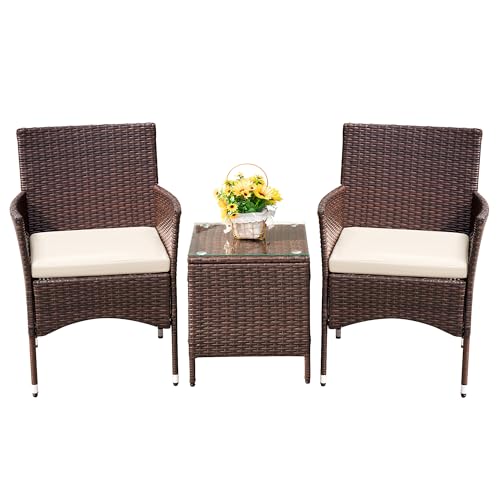

Recommended Clearance for Seating Around a Fire Element
Maintain a distance of at least 3 to 5 feet between seating arrangements and any heat source. This spacing minimizes the risk of accidental ignitions and ensures safe enjoyment of warmth and ambiance. Choose non-flammable materials for items that are closer to this zone, reinforcing safety practices.
Considerations for Safety and Comfort
Evaluate wind direction; position seating to avoid smoke exposure, enhancing comfort for guests. Ensure compliance with local regulations related to outdoor heating devices, as these may prescribe specific distances or other safety measures.
Creating an Inviting Atmosphere
Incorporate protective barriers, such as glass or mesh screens, to enhance safety without compromising the aesthetic appeal of your outdoor space. This approach allows for closer seating options while maintaining a secure environment, thus promoting enjoyable gatherings.
Recommended Distance for Safety
Setting a minimum of 10 to 20 feet between seating arrangements and the heat source is advisable to prevent accidental burns and ensure a comfortable environment. This distance may vary based on the type of heat output and the materials of the surrounding décor. Adhering to these guidelines can significantly reduce safety risks.
The following factors should be considered for optimal safety:
- Heat Source Type: Different styles produce varying degrees of warmth. For example, a gas unit may emit less intense heat compared to a wood-burning one.
- Material Flammability: Non-flammable materials like metal or stone are safer options close to the warmth. Avoid placing highly flammable items nearby.
- Wind Direction: Assess wind patterns; positioning items strategically can help divert heat or sparks away from areas where people gather.
Regularly inspect the vicinity for debris or objects that could facilitate a fire; keeping the area clean enhances overall safety. Should any reconstruction or setup be planned, adhering to local regulations regarding separation distances can offer further protection.
Factors Affecting Safe Distance
A minimum spacing of 10 to 20 feet is recommended between seating arrangements and any heating element. Several variables influence this measurement:
- Material Composition: The type of materials used in seating can significantly impact safety. Non-combustible materials like metal or stone are less susceptible to heat exposure compared to wood or plastic, which may ignite easily.
- Wind Patterns: Ambient wind can carry embers or heat. It’s crucial to assess the typical wind direction in the area to ensure that your seating is positioned out of the path of windblown sparks.
- Size of the Heating Element: The dimensions and heat output of the fire source can dictate how much space is necessary. Larger, more intense heat sources require additional distance for safety.
- Type of Fuel Used: Different fuels produce varying levels of heat and sparks. Wood may create more embers than propane, necessitating greater spacing for certain setups.
- Surrounding Environment: The presence of overhanging branches or nearby structures can influence necessary distances as these can pose fire hazards if they are too close to high-heat zones.
Regular evaluations of these factors can help maintain a safe outdoor space while enjoying the warmth and ambiance provided by radiant heat sources.
Furniture Material Impact on Placement
Placing items near a heat source requires careful consideration of the materials used. Non-combustible options like metal or stone, for example, can withstand high temperatures, allowing for reduced distance to the blaze. In contrast, wooden or synthetic materials demand greater spacing due to their flammability.
Natural wood varies in density and treatment; treated woods may resist heat better than untreated types. For synthetic items, high-density polyethylene and other heat-resistant composites provide more safety compared to traditional plastics, which can melt or ignite.
Textiles also play a significant role. Fabrics such as acrylic or polyester offer increased safety when compared to cotton or other natural fibers. Choosing outdoor fabrics with flame-retardant treatments enhances protection further.
In my experience, assessing the properties of each material aids in determining adequate spacing. Evaluating heat resistance and ignition potential informs smart decisions for maintaining a safe and enjoyable environment around the warmth source.
Local Regulations and Fire Codes
Compliance with local regulations is paramount when setting up an outdoor relaxation area. Many jurisdictions mandate specific distances, often ranging from 10 to 20 feet between heat sources and any above-ground fixtures.
- Always check with local zoning laws and fire codes to ensure adherence.
- Many fire departments publish guidelines that outline acceptable placement distances.
- Building codes may also affect seating arrangements, particularly in residential neighborhoods.
In addition to distance requirements, local legislation may stipulate:
- Type of materials permitted for outdoor structures.
- Presence of fire extinguishing equipment nearby.
- Height and design regulations for safety barriers around heat sources.
Frequent adjustments to these regulations may occur, so I recommend staying informed through community boards or local fire department updates. Non-compliance may lead to fines or, in worst cases, the suspension of outdoor activities.
Wind Direction Considerations
Evaluating wind patterns is critical in establishing a safe arrangement for outdoor seating. Ideally, positioning should account for prevailing wind directions to prevent smoke and soot from blowing towards areas where people gather. This reduces discomfort and potential health risks associated with inhaling smoke.
Understanding Local Wind Patterns
To assess which way the wind typically blows, observe behaviors during different times of the year. By paying attention to seasonal shifts, specific times can be identified when wind direction is consistent. This can influence the layout of seating and heat sources.
Adjustments Based on Weather Conditions
Flexibility is key when assessing arrangements. If gusty days are common, ensuring that seats face away from the primary wind path can enhance the comfort level. It’s beneficial to have a non-flammable barrier, such as a low wall or bushes, acting as a windbreak without obstructing the view of the flames.
| Wind Direction | Recommended Seating Arrangement |
|---|---|
| Northeast | Position seats to the southwest |
| Southwest | Arrange seating to the northeast |
| Southeast | Face seating towards the northwest |
| Northwest | Orient seats to the southeast |
By considering these factors, a safe and enjoyable atmosphere can be created, minimizing smoke-related issues while maximizing comfort around the warmth of the flames.
Creating a Comfortable Seating Area
I recommend placing seating options within a range of 8 to 10 feet away from the heat source to ensure a cozy yet safe atmosphere. This distance allows for warmth without the risk of overheating or discomfort.
Seating Arrangement Tips
Arrange seating in a circular or semicircular layout to create an inviting space for conversation. Consider using small side tables for drinks and snacks, ensuring everything is within easy reach. Soft outdoor cushions enhance comfort and style, contributing to a relaxing environment.
Lighting and Ambiance
Incorporate soft lighting options, such as lanterns or string lights, to set the mood during evening gatherings. These elements not only enhance visibility but also create a warm, welcoming ambiance that complements the overall experience around the flames.
Protective Measures for Outdoor Furniture
Ensure that you utilize heat-resistant materials for seating and tables. Look for options made from aluminum, teak, or other non-combustible substances. This minimizes the risk of damage from embers or heat exposure.
Covering and Storing
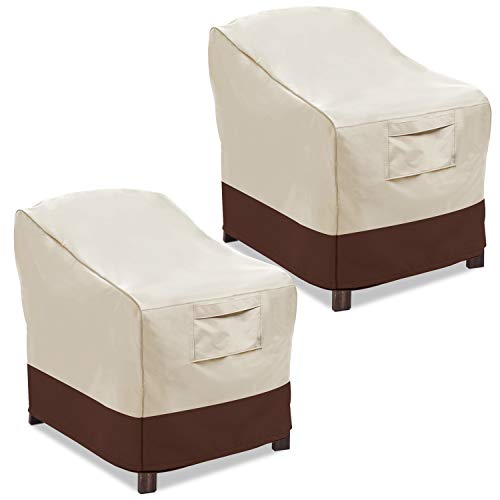
Consider investing in high-quality protective covers that shield against ash, smoke, and potential sparks. During off-seasons, store items indoors to extend their lifespan and prevent deterioration.
Regular Maintenance
Perform routine check-ups on all items. Inspect for wear and tear caused by heat or outdoor elements. Regular cleaning helps maintain the integrity of materials, preventing them from becoming brittle or discolored.
Implement a cleaning schedule that involves removing ashes and debris after gatherings. This practice reduces fire hazards and keeps the area tidy.
Position heat shields around the gathering space if necessary. These add an extra layer of protection, ensuring that embers do not reach nearby surfaces.
Consider the arrangement of your elements. Creating a spacious design not only improves accessibility but also contributes to safety by avoiding overcrowding.
Adjusting Distance for Different Fire Pit Types
For a wood-burning bowl, I recommend placing seating at least 10-15 feet away. This distance accommodates the larger embers and sparks often generated. With a gas model, a range of 7-10 feet may suffice since these produce minimal flying debris.
Table: Recommended Distances by Fire Pit Type
| Fire Pit Type | Recommended Distance |
|---|---|
| Wood-Burning | 10-15 feet |
| Gas | 7-10 feet |
| Propane | 7-10 feet |
| Tabletop | 5-8 feet |
Consider portable options, which typically allow for flexible arrangements. If your design includes screens or walls, 3-5 feet may be suitable, provided they are constructed from non-combustible materials.
Additional Suggestions
Always evaluate the height and design of the structure; taller flames necessitate greater separation. In windy conditions, extending the distance can minimize risks, especially with more open setups. Personalized comfort levels for gatherings also play a role–striking a balance between accessibility and safety is fundamental.