Caleb Turner
I’ve tested various decorative coatings extensively and can confidently say that the resilience of these coatings can be impressive with proper application. When applied in thin layers and sealed correctly, these finishes can withstand everyday use and even accidental spills.
I recommend using a suitable sealer to enhance the lifespan of your coating. Options like polyurethane or wax can create a protective barrier, allowing surfaces to resist scratches and stains effectively. My experience shows that a well-sealed surface can maintain its appearance for years, even in high-traffic areas.
Additionally, a light sanding process between layers can significantly improve adhesion and durability. When I applied this technique, I noticed markedly better results in the longevity of the coating, making it not just visually appealing but also practical for everyday living.
How Durable is Chalk Paint on Furniture
Choosing a finish for your home projects requires understanding its longevity. I recommend applying a protective topcoat for enhanced resilience against scratches and stains. This is especially crucial for pieces that endure daily use.
In my experience, the longevity of this type of finish depends largely on application techniques and surface preparation. Here are key factors that influence its performance:


- Surface Preparation: Ensure surfaces are clean and primed. Sanding can greatly enhance adhesion.
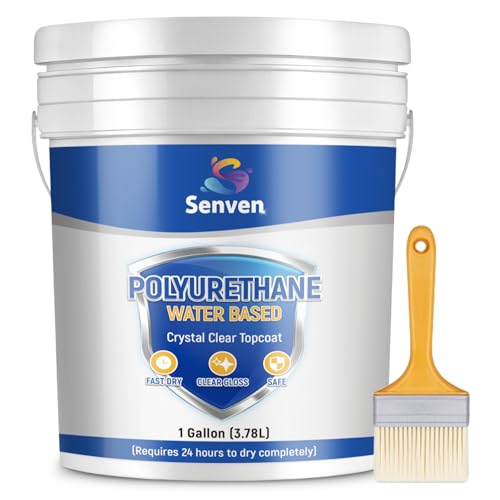
- Topcoat Application: I consistently add a clear sealer, like polyurethane or wax, for additional protection. Two or three coats of sealer yield noticeable improvement.
- Environment: Humidity and temperature fluctuations can impact curing time and performance. Maintain stable conditions during the drying phase.
Care is another significant aspect of maintaining finish integrity. I recommend using soft cloths for cleaning to avoid abrasion and prolong the item’s life.
For high-traffic areas, consider using matte or satin finishes which tend to conceal wear better than glossy alternatives. Additionally, applying touch-ups can help maintain appearance over time.
Regular maintenance, including reapplying the topcoat as needed, ensures that the surface remains fresh and appealing. By following these tips, I find my projects reliably withstand the test of time.
Factors Affecting Paint Durability
Choosing the right primer can significantly influence the lifespan of the finish. A high-quality primer promotes adhesion and enhances resistance to chipping and wear. I recommend using a primer specifically formulated for use with your coating of choice.
Surface Preparation
Proper cleaning and sanding of the surface ensure optimal adherence. I always begin by thoroughly cleaning the furniture to remove dust and grease. Lightly sanding the surface helps in creating a better grip for the new layer applied. Failing to prepare the surface can lead to peeling or chipping over time.
Application Techniques
Application methods directly impact the finish’s strength. Using a high-quality brush or roller prevents streaks and ensures even coverage. I prefer multiple thin coats over one thick application, as this enhances adhesion and allows for better control over the final appearance. Drying times between coats should be respected to guarantee a robust bond.
Recommended Sealants for Enhanced Protection
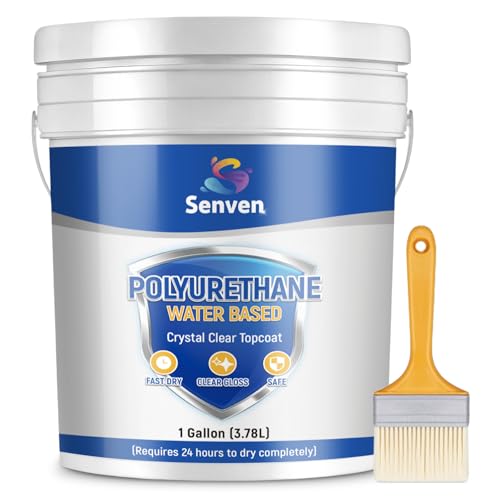
For optimal safeguarding of your surface, I recommend using water-based polyurethane as a sealant. It provides a hard, protective layer while maintaining a clear finish. Choose a satin or matte version to preserve the original look.
An alternative option is a clear wax. This allows for a softer finish, but it requires regular reapplication to maintain its effectiveness. I prefer a hard paste wax for its ease of use and the warm sheen it adds.
If you anticipate heavy use, consider a high-quality shellac. This sealant offers outstanding durability, resisting water and chemicals while enhancing the grain of the wood.
For areas prone to moisture, like kitchens or bathrooms, an acrylic sealer is a reliable choice. It forms a tough barrier that withstands humidity, preventing damage or wear.
Always ensure you let the base coat dry completely before applying any sealant. The longevity of your protective layer depends significantly on proper preparation and application techniques.
Comparison of Chalk Paint vs Other Paint Types
I recommend considering the specific applications and desired outcomes when choosing a coating for your projects. Unlike traditional latex coatings, which offer a high-gloss finish, this alternative generally provides a matte appearance that is favored for its rustic charm. It adheres well to various surfaces without the need for extensive priming, which can be a significant time saver.
In terms of application, the creamy consistency of this type allows for easy manipulation, ideal for achieving a distressed look. In contrast, oil-based formulations require longer drying times and can emit strong fumes, necessitating proper ventilation. While oil products offer excellent adhesion and a resilient finish, clean-up often involves solvents, which can be cumbersome.
This alternative also typically dries quickly, enabling multiple coats to be applied in a single day, enhancing efficiency. However, specialized acrylic varieties may offer superior gloss and resistance to wear, making them preferable in high-traffic areas. If a glossy, hard finish is required, high-quality acrylics can outperform, providing a more robust surface against scratches and stains.
Regarding flexibility, standard options can become brittle over time, while the matte finish offered by this formulation tends to remain more forgiving, allowing it to withstand minor impacts without chipping easily. It’s worth noting that when comparing costs, this option can often be less expensive than premium acrylic versions, particularly when factoring in the included primer qualities.
Ultimately, your choice should align with the specific look you want to achieve and the conditions your pieces will endure during use. If a soft, vintage aesthetic is desired, this alternative excels, while for high-gloss requirements, exploring acrylics or oil-based variations might be necessary.
Best Practices for Preparing Furniture for Chalk Paint
Begin by thoroughly cleaning the surface to remove dirt and oils. I use a mixture of warm water and mild soap for this step, ensuring all residues are eliminated. After washing, I let the piece dry completely.
Next, I inspect for imperfections. Any scratches or dents should be filled with wood filler, and then sanded smooth once dried. For laminate surfaces, a light scuff with fine-grit sandpaper helps improve adherence.
Applying a primer can enhance adhesion, particularly on glossy surfaces. I recommend a shellac-based primer, which acts as an excellent base for the application.
For a smoother finish, I always sand between coats. Fine-grit sandpaper provides a polished feel, ensuring the outcome is professional looking. Be sure to wipe away dust after sanding to guarantee a clean surface for the next coat.
Consider using a high-quality brush or foam applicator to avoid streaks. A good tool indeed makes a significant difference in the final texture and appearance.
Finally, allow each coat to cure properly before applying the next. Patience during this phase allows for an optimal finish that withstands daily use. Below is a summary of these practices:
| Step | Description |
|---|---|
| Cleaning | Use warm, soapy water to remove dirt and oils. |
| Inspections | Fill scratches with wood filler and sand smooth. |
| Priming | Apply a shellac-based primer for better adhesion. |
| Sanding | Sand between coats with fine-grit sandpaper. |
| Application Tools | Use high-quality brushes or foam applicators. |
| Curing Time | Let each layer cure before applying the next for best results. |
Cleaning and Maintenance Tips for Chalk Painted Furniture
Regular dusting is key. Use a soft, lint-free cloth to wipe surfaces weekly, preventing the buildup of particles that can scratch the finish.
When a deeper clean is needed, mix mild soap with water. Dampen a cloth in this solution and gently wipe the surface. Rinse with a damp cloth to remove any soap residue.
Avoid abrasive cleaners and scrubbing pads; they can damage the finish. Stick to gentle materials for maintenance.
For spills, address them immediately. Blot the area with a clean cloth instead of rubbing, as this can spread the stain. A damp cloth can help lift most non-greasy substances.
Consider applying a protective topcoat every few years, depending on usage. This can withstand wear and maintain the appearance of the piece.
Keep metal objects off the surfaces to prevent scratches and dents. Use coasters or placemats for items that may scratch or spill.
Store items with proper protection to prevent chipping or scratching during transit. Utilize felt pads or bubble wrap for fragile pieces.
If you notice wear or fading, a light sanding followed by a fresh coat can revitalize the finish without requiring a full reapplication.
Common Issues with Chalk Paint and How to Resolve Them
Uneven texture can hinder the appearance of your project. To fix this, sanding between coats is crucial, ensuring smooth application. Using a high-quality brush helps achieve a more uniform finish.
Chalking and Dusting
If you notice excess dust forming on the surface, it’s likely an indication of improper sealing. Applying a compatible topcoat not only enhances protection but also minimizes chalkiness. If chalking occurs after application, a light sanding followed by re-sealing can restore the finish.
Color Fading
Exposure to sunlight can lead to significant fading. To prevent this, position objects out of direct sunlight or utilize UV-resistant sealants. If fading has already occurred, consider a touch-up coat or a complete reapplication of the color.
Real-Life Case Studies of Chalk Painted Furniture Longevity
In my experience, the performance of this finish on various pieces varies significantly based on the application and conditions of use. Here are several case studies that illustrate the longevity of this finish.
-
Living Room Coffee Table: A friend used a professional-grade formulation on a coffee table. After three years of daily use, including exposure to regular spills and scratches, the surface showed only minor wear. The use of a protective coat helped maintain its appearance, allowing for easy cleaning without compromising the finish.
-
Dining Chairs: I applied a similar approach to chairs in a busy household. Despite heavy usage, including frequent movement and occasional wet cleaning, the finish held up well after two years. The addition of a strong sealant further enhanced resilience against moisture and stains.
-
Outdoor Patio Bench: An experiment was conducted using a synthetic variant for an outdoor bench. Although the environmental exposure posed challenges, the piece lasted for over a year before showing distress from the elements. Seasonal touch-ups were necessary to maintain its aesthetic appeal.
-
Bedroom Dresser: I refurbished a dresser with a soft finish. After five years, handling and daily use had caused minimal chipping; it required only routine dusting. A strategic application of wax every few months kept the original sheen intact.
-
Children’s Toy Chest: In a child’s play area, I painted a toy chest. The constant use led to some visible scuffing within the first year. However, reapplying a protective layer rejuvenated the chest, allowing it to continue serving its purpose while retaining a fresh look.
These examples showcase the mix of durability and vulnerability found in different scenarios. Individual techniques and environmental factors play a significant role in how well the aesthetic withstands time and use. Taking proper precautions and engaging in maintenance routines can dramatically extend the lifespan of the finish on a variety of projects.