
 Caleb Turner

I highly recommend considering mango-based pieces for their robust qualities. They boast a natural density that contributes to their ability to withstand everyday use without significant wear.
Typical specimens demonstrate resistance to moisture and insects, making them practical choices for diverse environments. With proper maintenance, such as regular polishing and cleaning, these items can maintain their aesthetic appeal for years.
It’s beneficial to choose pieces with a quality finish, which enhances their resilience. I advise checking for sturdy joints and solid construction to ensure longevity and stability in any space.
How Durable is Mango Wood Furniture
I recommend considering the specific traits of this material when assessing its longevity. It’s recognized for its solid construction, making it a preferred choice for various items. Here are some key characteristics:

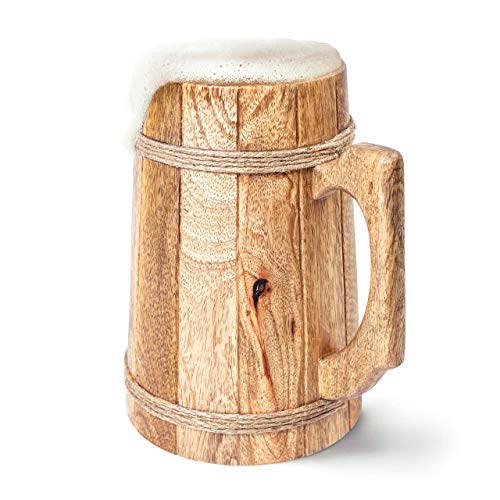

- Natural Resistance: This type has a degree of resistance to moisture, which helps prevent warping and cracking in humid environments.
- Hardness Rating: It typically scores around 2,500 on the Janka hardness scale, indicating a fair level of resistance to scratches and dents.
- Stability: This timber exhibits less expansion and contraction compared to many other options, contributing to a stable piece over time.
- Regular Maintenance: A simple application of oil or wax can enhance its longevity and appearance, protecting it from daily wear and tear.
Usage Tips
For maximizing lifespan, I suggest avoiding direct sunlight exposure and using coasters to prevent water rings. Keeping it clean with a soft cloth can prevent buildup that might compromise its surface. Reinforcing joints during assembly can further enhance the overall structure.
- Place it in moderate temperature zones.
- Avoid sharp objects on the surface.
- Use protective covers when not in use.
With the right care and attention, items made from this material can maintain their beauty and functionality for many years, making them a valuable addition to any space.
Understanding the Natural Properties of Mango Wood
The inherent characteristics of this timber significantly influence its performance in diverse applications. It possesses a beautiful grain pattern combined with a rich hue, making it visually appealing.
Key features include:
- Density: This material has a moderate density, which balances weight and sturdiness, ideal for various types of decor.
- Resistance to Pests: Naturally resistant to insects, this material reduces maintenance needs and prolongs lifespan.
- Eco-Friendliness: Sourced from fast-growing trees, it represents a sustainable choice, minimizing environmental impact.
- Workability: This timber is easy to cut and shape, allowing for intricate designs and seamless finishes.
- Moisture Resistance: While not fully waterproof, it performs well in humid environments, reducing risks of warping or cracking.
Regular maintenance enhances longevity. Routine polishing or oiling can maintain its luster and protect against scratches. For cleaning, a soft, damp cloth is sufficient to remove dust and maintain appearance.
In summary, this material stands out for its unique properties, offering a blend of beauty, functionality, and environmental responsibility. Incorporating such elements in home design can create a lasting impact while ensuring practicality.
Factors Influencing the Durability of Mango Wood
Moisture content plays a significant role in the longevity of this material. High humidity environments can cause warping and cracking, while excessively dry conditions may lead to brittleness. Maintaining a stable humidity level around the furniture can prevent these issues.
Quality of Construction
The craftsmanship behind the item directly affects its lifespan. Joints should be securely fastened using dowels or strong adhesives, rather than simple nails or screws. Careful attention to detail during assembly contributes to resisting wear and tear.
Finish and Treatment
Applying high-quality seals and finishes safeguards against damage from spills and stains. Regularly reapplying oils or varnishes will enhance protection and highlight the natural appearance of the piece. Additionally, using wax or polish can offer an extra layer of defense.
Comparison of Mango Wood with Other Types of Hardwood
In my experience, assessing the characteristics of mango timber in relation to alternatives like oak and teak is enlightening. This variety exhibits a rich, golden hue and intricate grain patterns, making it visually appealing for various applications.
Oak, renowned for its strength, typically outperforms mango in load-bearing capabilities. It is dense and resistant to wear, making it a preferred choice for high-traffic environments. Conversely, mango tends to be lighter, which can be beneficial for movable pieces but may compromise its structural integrity under heavy use.
Teak is celebrated for its innate resistance to moisture and pests, qualities derived from its natural oils. This makes teak an excellent option for outdoor settings. However, mango offers a different charm with its unique appearance and sustainable sourcing, which may appeal more to environmentally conscious consumers.
When considering maintenance, mango requires regular care to preserve its appearance and prevent deterioration, similar to teak. Oak, however, can be more forgiving in this aspect due to its hardness and natural resistance to stains.
Ultimately, the choice between these hardwoods hinges on specific needs. If aesthetics and sustainability are priorities, mango may be ideal. For endurance and resilience, oak and teak could serve better. Choosing the right option depends on understanding the particular attributes that align with your requirements.
Maintenance Tips for Extending the Life of Mango Wood Furniture
Regular cleaning is essential; dust the surface weekly with a soft, dry cloth to prevent grime buildup. For deeper cleaning, use a slightly damp cloth with mild soap, making sure not to saturate the material.
Applying a protective coating every six months can significantly enhance resistance to moisture and stains. Choose a natural oil or beeswax finish to nourish the surface and maintain its luster.
Avoid placing items directly on the surface without coasters, as heat and moisture can leave lasting marks. Use felt pads under objects to prevent scratching.
Maintain optimal humidity levels in your environment, ideally between 30-50%, to prevent cracking or warping. Use a humidifier during dry seasons, and avoid placing furniture near direct heat sources.
For minor scratches, a mixture of olive oil and vinegar can serve as a quick repair. Apply it gently, and buff with a soft cloth for enhanced sheen.
Rotate items and decor regularly to prevent uneven fading and ensure consistent exposure to light.
Identifying Quality Mango Wood Furniture in the Market
Look for pieces that showcase a rich, warm hue, typically varying from light yellow to dark brown. High-quality items should have a smooth finish, free from rough patches or splinters.
Grain Patterns and Texture
Examine the grain; premium selections exhibit unique swirls and knots, enhancing their aesthetic appeal. Avoid overly uniform patterns, which indicate mass production and lower craftsmanship.
Joinery and Construction
Inspect the joints; dovetail or mortise and tenon connections are indicators of superior craftsmanship. Loose joints may signal inferior construction methods, compromising stability over time.
Check for proper sealing. Quality pieces should be finished with protective coatings that enhance longevity and resist moisture damage. Authentic items are often heavier, reflecting solid material instead of lightweight substitutes.
Research the brand or seller. Reputable manufacturers often provide detailed information about sourcing and sustainability practices, ensuring responsible production. Ask about warranty or return policies, as credible brands stand by their products.
Trust your instincts; a well-crafted piece not only looks inviting but feels sturdy and reliable. Such selections will enhance your living space while standing the test of time.
Common Wear and Tear: What to Expect from Mango Wood
Regular usage inevitably results in specific effects on furnishings crafted from this hardwood. Minor scratches and dents may develop over time, especially in high-traffic areas. The natural oils present can aid in resisting moisture, but prolonged exposure to water can lead to swelling or warping. Heat sources, such as radiators or direct sunlight, might cause fading or drying, compromising its aesthetic appeal.
When it comes to maintenance and routine care, understanding the potential areas of wear is crucial. Here’s a breakdown of typical issues you may encounter:
| Type of Damage | Description | Prevention Tips |
|---|---|---|
| Scratches | Normal wear from daily use, particularly on surfaces. | Use coasters and placemats to protect the surface. |
| Dents | Impact from heavy objects dropped or placed. | Avoid dropping items; lift, don’t drag. |
| Fading | Exposure to sunlight can lighten the color over time. | Position away from direct sunlight or use window treatments. |
| Moisture Damage | Prolonged wetness can lead to warping or mold. | Wipe spills immediately and use protective treatments. |
Routine polishing with appropriate products can help mitigate some visible wear, restoring sheen and extending longevity. It’s advised to purchase quality cleaning agents specifically formulated for wooden materials, ensuring they don’t strip natural oils. Keeping humidity levels regulated also enhances resilience against environmental factors.
Realistically, furnishings from this material can develop character through aging. Embracing imperfections, such as slight marks that reflect history, can add charm, making the piece uniquely yours. Through mindful care, one can enjoy their investments for years while observing the natural evolution of aesthetic appeal.
Repairing and Refinishing Mango Wood Furniture
To restore a piece crafted from this tropical timber, start with a thorough cleaning using a soft cloth and a mild soap solution. This prepares the surface by removing dirt and oils.
Assessing Damage
Examine the item for scratches, dents, or discoloration. For minor scratches, fine sandpaper can be used to gently buff the area. For deeper dents, apply a small amount of water and use a hot iron to raise the wood fibers, effectively minimizing the damage.
Refinishing Process
After addressing any imperfections, sanding the entire surface is crucial. Use a progressive range of grits, starting from 120 and moving to 220. Always sand in the direction of the grain to avoid further damage.
Once sanded, wipe down the surface with a damp cloth to remove dust. Applying a quality wood finish, such as tung oil or a polyurethane sealant, allows for better protection and enhances the natural grain. A minimum of two coats is recommended, with drying time in between for optimal results.
For maintaining its luster, consider periodic touch-ups with a suitable furniture polish. This preserves visual appeal and helps fend off minor wear over time.


